
EXPERT HEALTH & FITNESS CONTENT
Science-backed articles on fitness, nutrition, mental health, and more — written by certified professionals.

Checkup Season: A Simple Framework for Scheduling Your Fall Health Appointments
A practical system for beating appointment-scheduling procrastination this fall — an honest list, batched calls, a recurring check-in day, and using your insurance year as a prompt.

The Five-Minute Morning Reset: Small Rituals for Better Fall Mornings

As Daylight Shrinks: Preparing Your Body and Mood for Less Sun Exposure

Quitting Afternoon Coffee: What Actually Happens to Your Sleep and Energy
Why an afternoon coffee can quietly undercut your sleep hours later, what a realistic taper looks like, and what to expect during the short withdrawal window.
Digital Eye Strain: Small Habits That Actually Rest Your Eyes
Screens ask your eyes to hold one focus for hours and cut how often you blink. A few small, low-cost habits do more for eye fatigue than most people realize.
Cold Weather, Warm Kitchen: Simple One-Pot Dinners for Busy Fall Nights
As evenings turn cold and busy, one-pot dinners quietly solve the balance-and-effort problem — here's how to build one without a recipe card.

The Preventive Screenings Most Adults Put Off — and Why That's Risky
Most adults delay routine checkups for the same handful of very human reasons — feeling fine, mild anxiety, busy schedules. Here's why the timing matters more than it seems.
Why Fall Really Is the Best Season to Start Running
Cooler air, easier recovery, and a natural fresh start make fall the most forgiving season for beginners to finally pick up running for the first time.

Back-to-School Season, New Routines: A Fitness Reset for Parents
School's back in session, and so is the structure parents lost over summer. Here's how to rebuild a realistic workout routine around the new schedule.

The Home Cook's Guide to Eating More Vegetables Without a Recipe Overhaul
You don't need new recipes or a meal-prep system to eat more vegetables — small, low-effort tweaks to the meals you already cook can quietly add up over time.

Sleep, Stress, and Sniffles: The Everyday Habits That Support Your Immune System
As cold and flu season approaches, the habits that matter most are the familiar ones: consistent sleep, stress outlets, regular movement, and good hygiene.

The Afternoon Energy Crash: Why It Happens and How Caffeine Timing Can Help
The 2 p.m. slump isn't a personal failing — it's a mix of your internal clock, lunch, and hydration. Here's how to work with it, caffeine timing included.

Trail Running vs. Road Running: Which Fits Your Fall Goals
Trail and road running reward different fall training goals — impact, pacing, footwear, and mental benefits all differ. Here's how to match the surface to what you're actually chasing.

The Annual Physical: What It Actually Covers, and Why Skipping It Costs You
A routine annual physical is quicker and less intimidating than most people expect, and skipping it means losing the early-warning value that comes from tracking your health over time.

Cooking at Home This Fall: Five Habits That Quietly Improve Your Diet
Cooking at home more this fall builds a handful of small, sustainable habits — from portion awareness to sodium control to simple flavor-building — that quietly reshape your everyday diet.
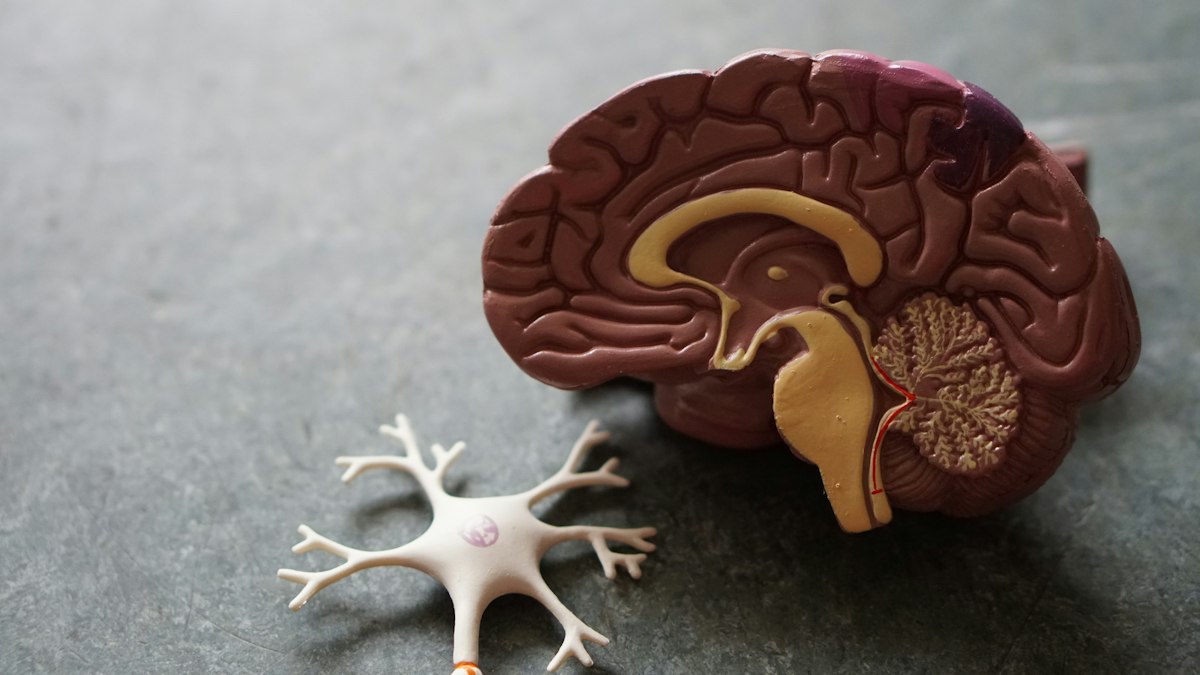
The Stress-Immunity Connection: What Chronic Stress Actually Does to Your Defenses
Chronic stress does real, well-understood things to your body's defenses. Here's how it works, and the everyday habits that help as cold and flu season approaches.

Layering for Outdoor Workouts: A Beginner's Guide to Cold-Weather Gear
A practical, no-nonsense guide to dressing for cold-weather exercise using base, mid, and outer layers — and the overdressing mistake almost everyone makes at first.
How Much Caffeine Is Actually Too Much? A Practical Guide
There's no single right amount of caffeine for everyone. Here's the general guidance, why tolerance varies so much, and the signs you may be overdoing it.
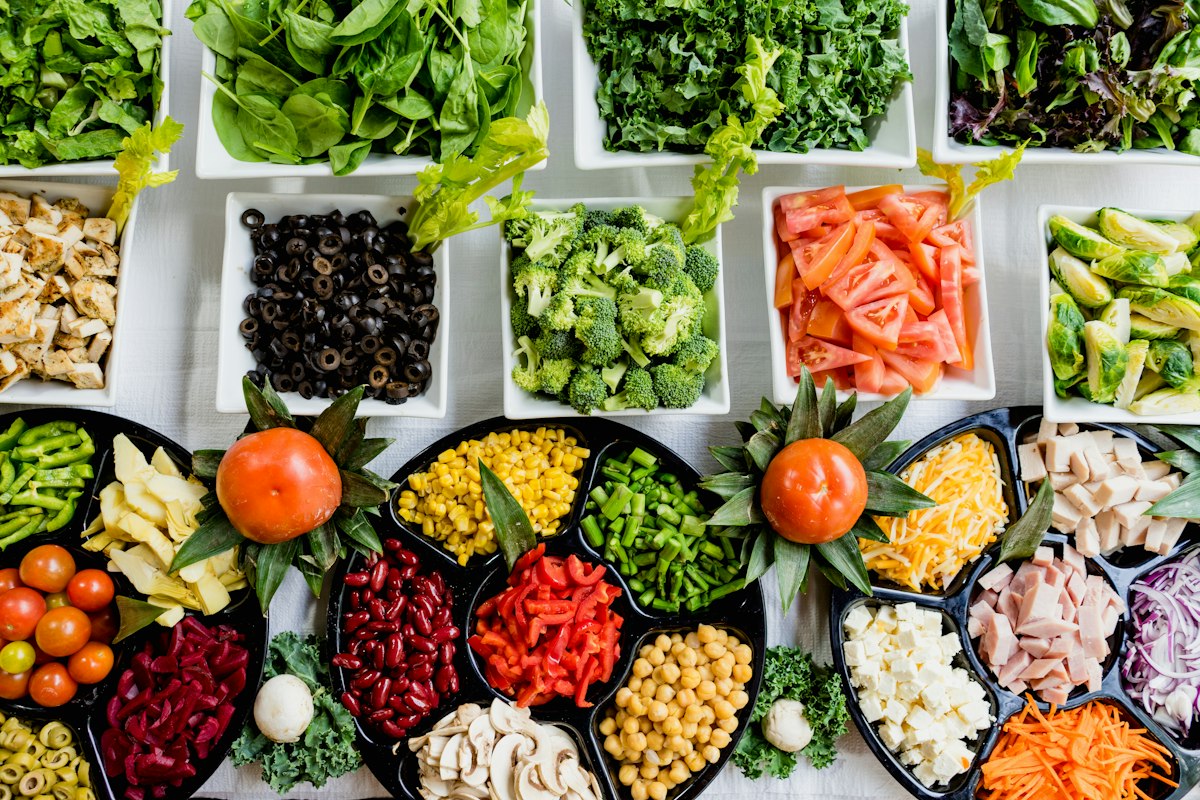
The September Nutrition Reset: Simple Swaps After a Summer of Eating Out
After a summer of cookouts and eating out, getting back to steady habits doesn't require a strict reset -- just a few simple, sustainable swaps.

Building a Fall Sleep Schedule Before the Season Shifts
Earlier sunsets and busier fall schedules quietly throw off sleep every year. A few light and routine habits can keep your rhythm steady through the shift.
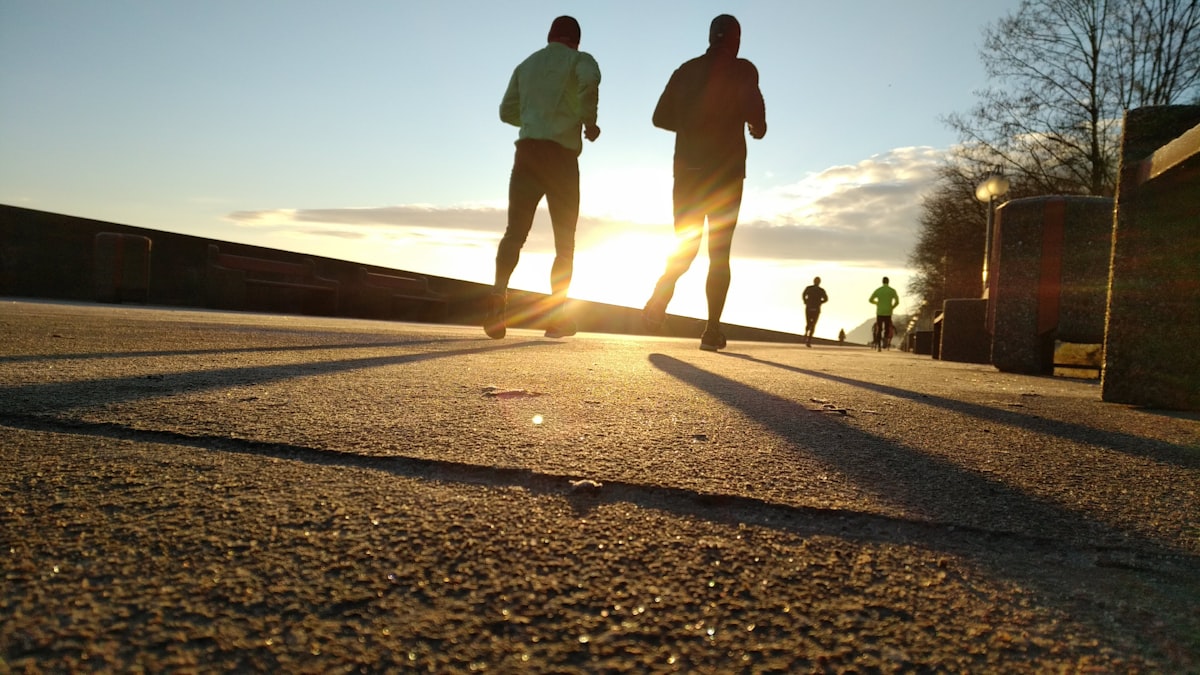
Running in Cooler Weather: What Actually Changes When Temperatures Drop
Cooler temperatures make the same pace feel easier, but hydration, warm-up time, and daylight all shift too. Here's the physiology and the practical adjustments.

The Preventive Care Checklist Worth Handling Before Cold and Flu Season
Early fall is the calm window before cold and flu season crowds every waiting room — here's what's worth handling now, from checkups to prescription reviews.
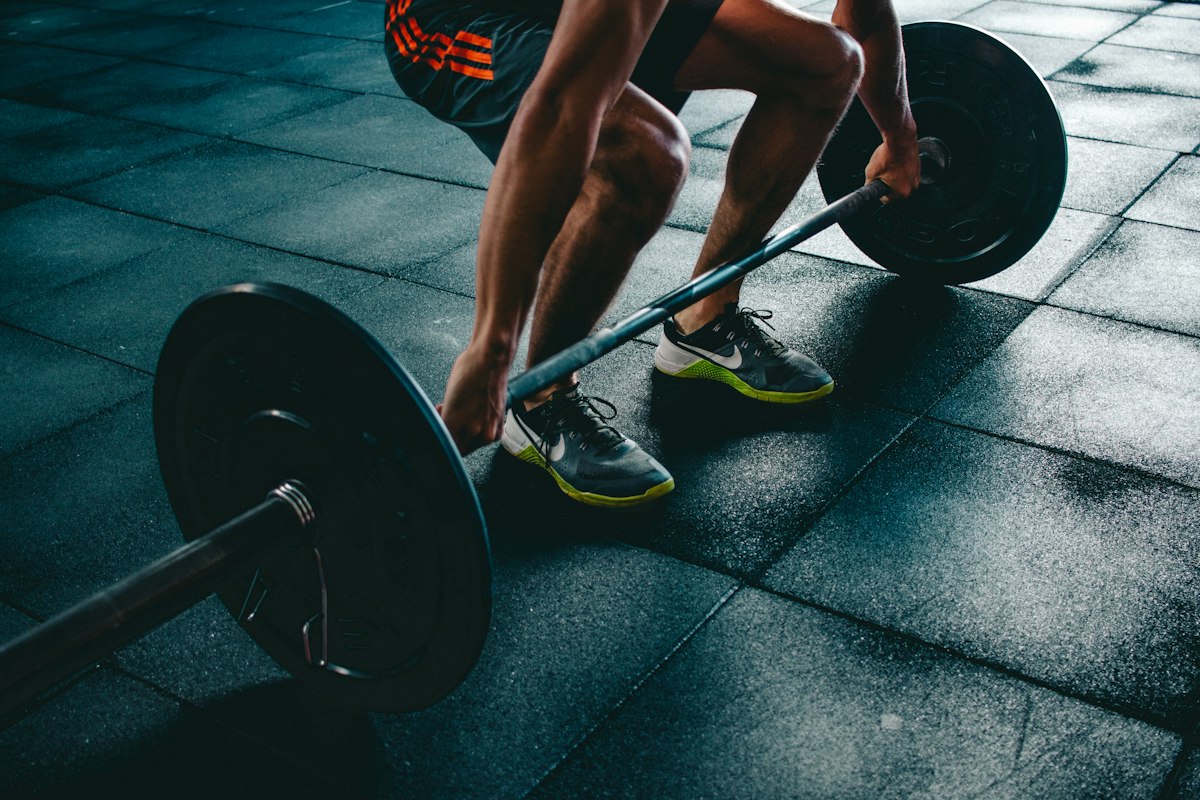
The Fall Fitness Reset: Rebuilding a Routine After a Loose Summer
Summer routines fall apart for almost everyone. Here's how to rebuild a sustainable fitness habit this fall without overdoing it in the first two weeks and burning out again.

Family Movement Habits: Getting Everyone Active Again After Summer
Summer's built-in activity disappears the moment school starts and the schedule fills up. Here's how to rebuild movement into a busier family routine.
The After-School Wind-Down: Helping Kids Decompress Without a Screen
A full school day is genuinely tiring for a kid's nervous system. Here's why the after-school screen reach happens, and a few alternatives worth trying.

Packing Lunches Kids Will Actually Eat: A Realistic Back-to-School Guide
The most balanced lunch in the world is useless if it comes home untouched. Here's a framework built around what kids actually eat, not just what they should.

Building a Family Health Routine Before the School Bell Rings
Summer's looser structure makes a hard landing in September without some preparation. Here's how to rebuild family routines before the first bell rings.

Standing Desks, Debunked: What They Actually Fix and What They Don't
Standing desks get sold as a cure for sitting too much. The real picture is more modest, and more useful, once you know what they actually change.

The Five-Minute Desk Reset: Small Adjustments With an Outsized Payoff
Most desk setups accumulate small problems over months without anyone noticing. Five minutes of deliberate adjustment fixes more than it seems like it should.

Text Neck and Tech Neck: Fixing the Posture Problems of a Screen-Heavy Life
The forward head tilt that comes from hours of scrolling has a name and a real physical cost. Here's what's happening and how to start reversing it.

The Weekly Check-In: A Simple Ritual for Staying Connected to People Who Matter
Relationships rarely fall apart on purpose — they just stop getting any deliberate attention. A weekly check-in habit is a small fix for a big problem.
Gratitude Journaling Beyond the Cliché: What Actually Changes When You Try It
Gratitude journaling gets eye-rolls for good reason — most versions of it are vague and forgettable. Here's a version with enough texture to actually matter.

The Friendship Recession: Why Adult Social Circles Shrink and How to Rebuild Them
Adult friend groups don't usually end in a dramatic falling-out — they thin out quietly, one skipped hangout at a time. Here's how to reverse that drift.

Five-Minute Journaling Prompts for People Who Don't Like Journaling
You don't have to enjoy writing, or write much at all, to get something real out of journaling. Here's a version built for people who've never stuck with it.

Five Meal Prep Mistakes That Quietly Sabotage the Whole Week
Meal prep rarely fails because of laziness — it fails for a handful of predictable, fixable reasons that show up in almost the same order every time.
Freezer Staples: Building a Backup Meal System for Busy Weeks
The difference between a chaotic week and a manageable one often comes down to what's already sitting in your freezer before things go sideways.
Batch Cooking for One: Meal Prep Without the Waste
Meal-prep advice is written for families of four. Here's how to adapt the same principles when you're cooking, and eating, for one person only.

The 90-Minute Sunday Meal Prep Routine That Actually Sticks
Most meal-prep routines fail because they're too ambitious for a real week. Here's a leaner, ninety-minute version actually built to survive a busy schedule.

Building a Gut-Friendly Plate Without Overhauling Your Whole Diet
Supporting your gut doesn't require cutting out entire food groups. A few small, repeatable shifts to how you build a plate do most of the work.

Bloating Decoded: The Everyday Causes and What Actually Helps
That tight, uncomfortable feeling after eating has a lot of possible everyday explanations — and most of them are more manageable than they seem.
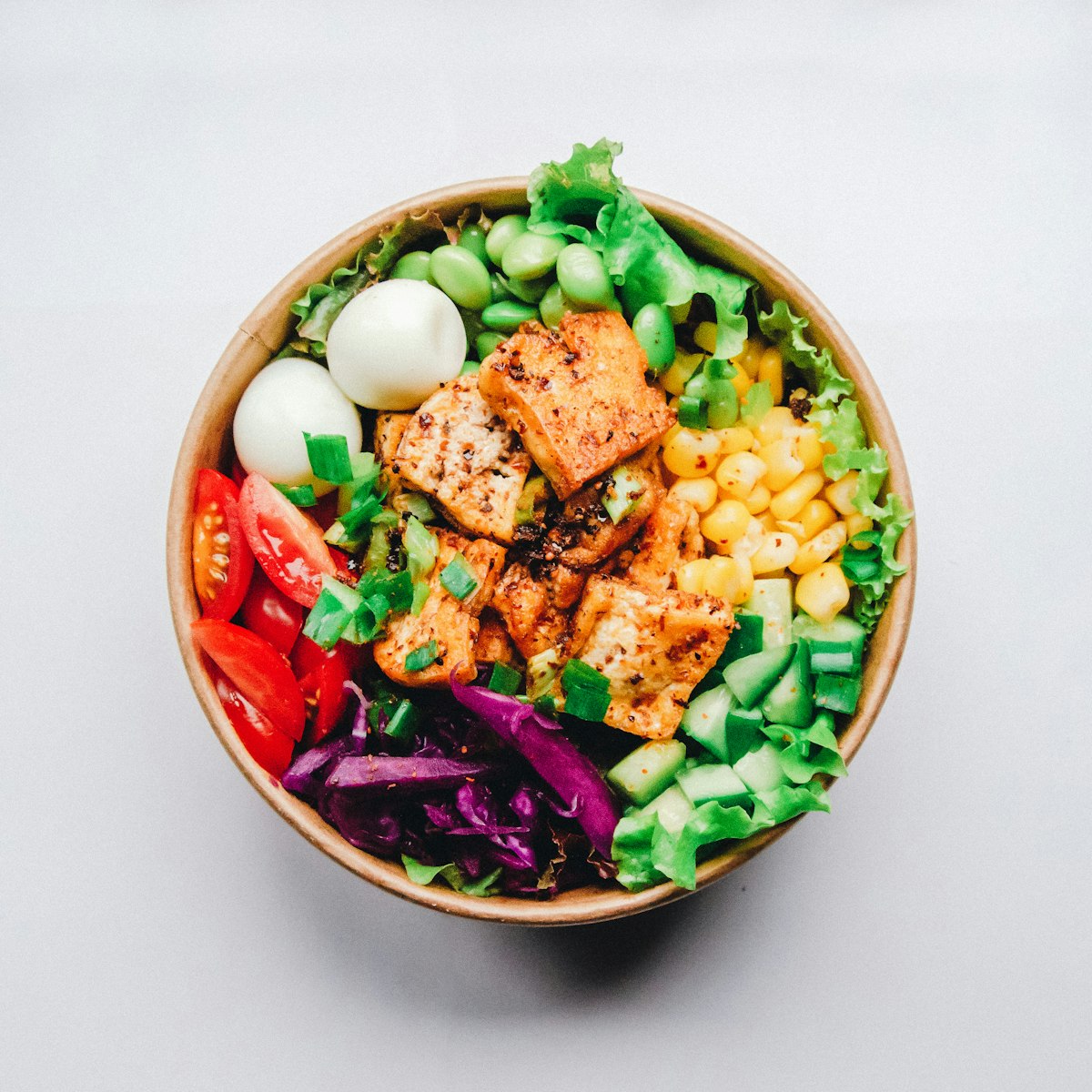
Fermented Foods for Beginners: A Practical Starting Guide
Kimchi, kefir, sauerkraut — the fermented-food world can feel like a niche club. Here's how to actually get started without overcomplicating it.
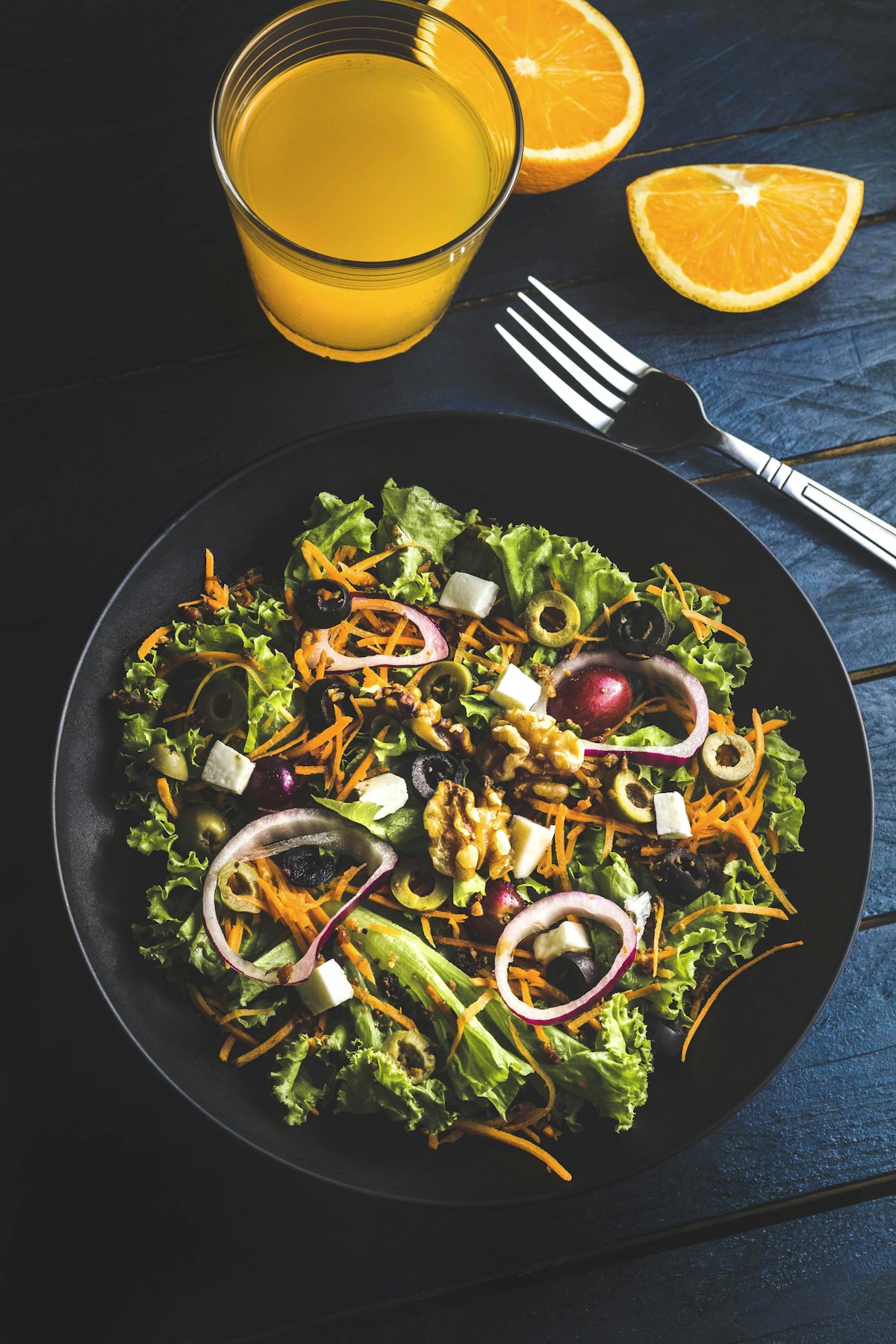
Gut Health 101: What Your Digestion Is Actually Trying to Tell You
Gut health has turned into a marketing term almost overnight, but underneath the buzzwords is a genuinely useful, simple set of everyday habits.

Balance Training After 50: The Exercises Worth Adding to Your Week
Balance quietly fades the same way strength does — unless it's practiced. A few minutes a week of the right drills can change that trajectory.

Grip Strength: The Surprisingly Simple Marker of Healthy Aging
It seems like a small, unglamorous number, but how hard you can squeeze reflects something much bigger about how your whole body is aging over time.
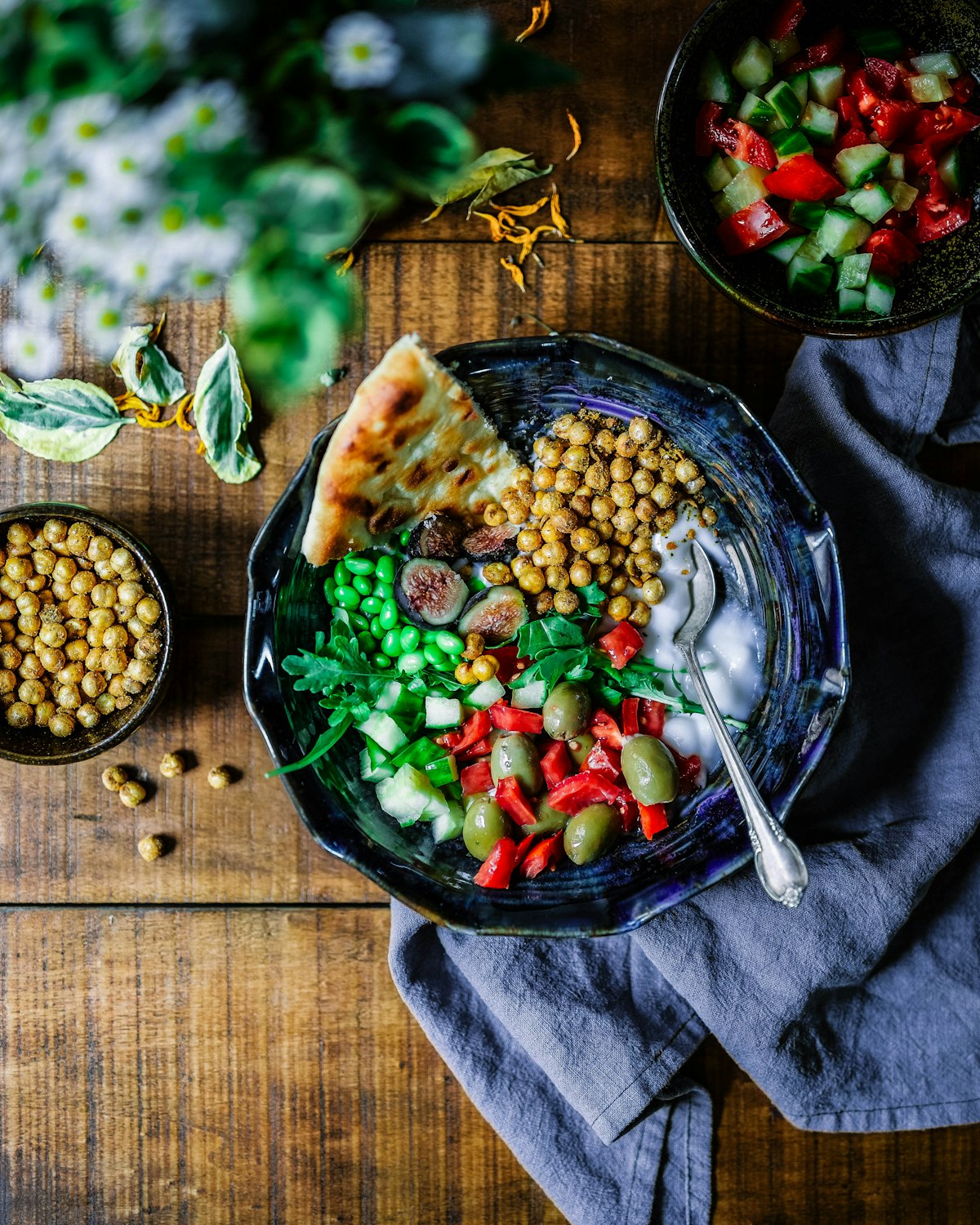
The Sit-to-Stand Test: A Simple Way to Check Your Mobility at Home
No equipment, no appointment — just a chair and sixty seconds. This simple clinical test offers a surprisingly useful window into your functional mobility.
Strength Training in Your 40s: Why Right Now Is the Best Time to Start
Muscle doesn't just disappear with age by accident — and it doesn't have to. Here's why your 40s might be the single best decade to start lifting.
Swapping Refined Grains for Whole Grains Without the Adjustment Period
Switching straight to whole grains can feel like a jarring texture and flavor shift if you do it all at once. A gradual approach makes the swap stick without the adjustment week nobody enjoys.
Reading Nutrition Labels: What Actually Matters
Nutrition labels carry a lot of numbers, and most people skim past the parts that matter most. Here's a simple, practical way to read one in under 15 seconds.

The Protein-First Plate: A Simple Framework for Better Meals
Instead of counting calories or macros, building meals by starting with a protein source and working outward is a simpler framework that tends to produce more balanced plates by default.

Simple Swaps: Cutting Added Sugar Without Feeling Deprived
Cutting added sugar doesn't have to mean giving up sweetness entirely. A handful of practical swaps can meaningfully lower your intake without the white-knuckle willpower approach.
The Weekly Reset: A Simple Routine to Lower Your Baseline Stress
Daily stress management matters, but a short weekly reset routine catches the things that build up over days and don't get resolved by a single good night's sleep.
Sunday Scaries: Why the Week Ahead Feels So Heavy
That knot of dread that shows up Sunday evening has a name and a fairly clear set of causes. Here's why it happens and a handful of ways to soften it.
Micro-Breaks: The Science of Stepping Away From Your Screen
A short, deliberate break every hour does more for focus and eye strain than pushing through until you're exhausted. Here's how to structure micro-breaks that actually work.
Notification Fatigue: The Hidden Cost of a Buzzing Phone
The average phone delivers dozens of notifications a day, and each one carries a small cognitive cost. Here's what constant interruption is doing to your focus and stress levels.
Doomscrolling Before Bed: Why Your Brain Won't Let Go
You know the late-night scroll isn't making you feel better, and you keep doing it anyway. Here's what's actually happening in your brain, and a few ways to interrupt the loop.

Water Walking and Pool Workouts: Low-Impact Fitness for Joint Pain
Walking through water works your body harder than walking on land, while taking most of the impact off your joints. Here's why pool workouts deserve more credit than they get.

Building a Walking Habit That Sticks (Even If You Hate Exercise)
Most walking advice assumes motivation is the problem. Usually it's the setup. Here's how to build a walking habit around friction, not willpower.
Low-Impact Cardio Workouts That Still Challenge You
Low-impact doesn't have to mean low-effort. Here's a set of joint-friendly cardio options that can genuinely raise your heart rate and build fitness without the pounding.
Walking After Meals: A Small Habit With Outsized Benefits
A short walk after eating is one of the simplest habits with a genuine, well-supported effect on how your body handles a meal. Here's why timing matters as much as the walk itself.

The 10,000-Step Myth: What Step Counts Actually Matter
The 10,000-step target didn't come from exercise science — it came from a 1960s Japanese marketing campaign. Here's what step-count research actually shows.

Sweat, Salt, and Cramps: What's Really Happening in Summer Heat
Muscle cramps during summer workouts aren't just about water. Sweat carries sodium and other electrolytes out with it, and replacing only water can sometimes make cramping worse.

Hydration for Older Adults: Why Thirst Signals Fade With Age
The sense of thirst tends to become less reliable with age, which means older adults can become meaningfully dehydrated without ever feeling especially thirsty. Here's what helps.

Cooling Down Fast: What Actually Works When You're Overheated
When you're overheated after a run, a hot commute, or an afternoon in the sun, some cooling methods work far faster than others. Here's what the body actually responds to.
How to Tell If You're Actually Dehydrated (Thirst Isn't Enough)
By the time you feel thirsty, mild dehydration may already be underway. Here are the subtler signs your body is running low on fluids, and how to course-correct.
Heat Exhaustion vs. Heat Stroke: Know the Warning Signs
As summer temperatures climb, knowing the difference between heat exhaustion and heat stroke isn't trivia — it's the difference between resting in the shade and calling for emergency help.

Building a Wind-Down Routine That Actually Works
Most sleep advice focuses on what happens in bed. The hour before that — your wind-down routine — often matters more. Here's how to build one you'll actually keep.

The Blue Light Myth: What Actually Disrupts Sleep at Night
Blue-light glasses have become a bedtime ritual for millions, but the light from your phone is only part of the story. Here's what's really keeping your brain awake at night.
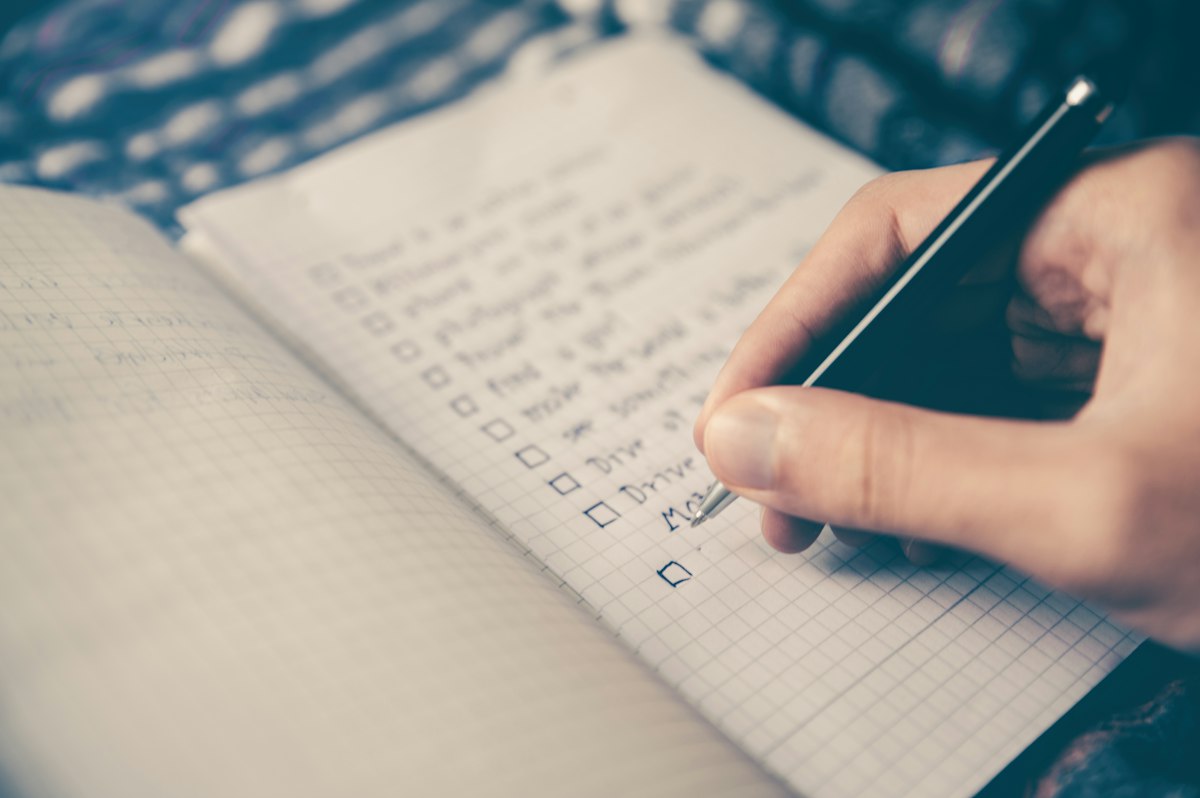
Sleep Debt: Can You Really Catch Up on Weekends?
Sleeping in on Saturday feels like it should erase a week of short nights. The honest answer is more complicated — here's what weekend catch-up sleep can and can't do.

Your Bedroom Temperature Is Sabotaging Your Sleep (Here's the Fix)
Your body needs to drop its core temperature to fall and stay asleep, and a warm bedroom fights that process all night. Here's the ideal range and how to hit it, even in summer.

The 90-Minute Sleep Cycle: Why Waking Up Mid-Cycle Wrecks Your Morning
Sleep happens in roughly 90-minute cycles, and waking in the middle of one is why eight hours can still leave you groggy. Here's how to time your mornings around it.

The Evening Wind-Down: Small Rituals That Help Your Mind Switch Off
Dimming the lights, parking the phone, and a few quiet habits before bed can make falling asleep feel less like a battle.
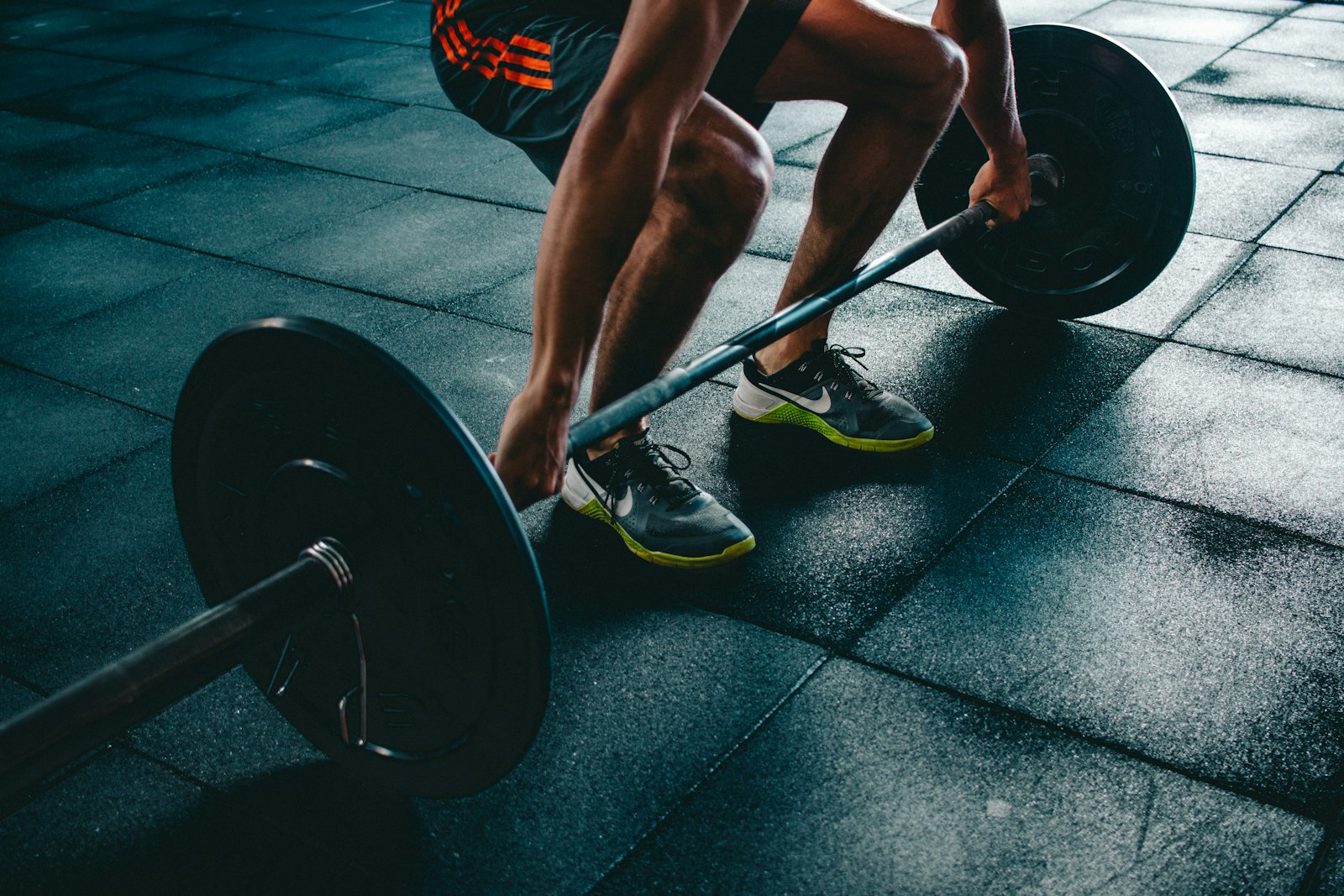
Strength Training Basics for People Who Have Never Lifted a Weight
A calm, judgment-free introduction to resistance work — the movement patterns to learn first, and why starting light is the smart move.
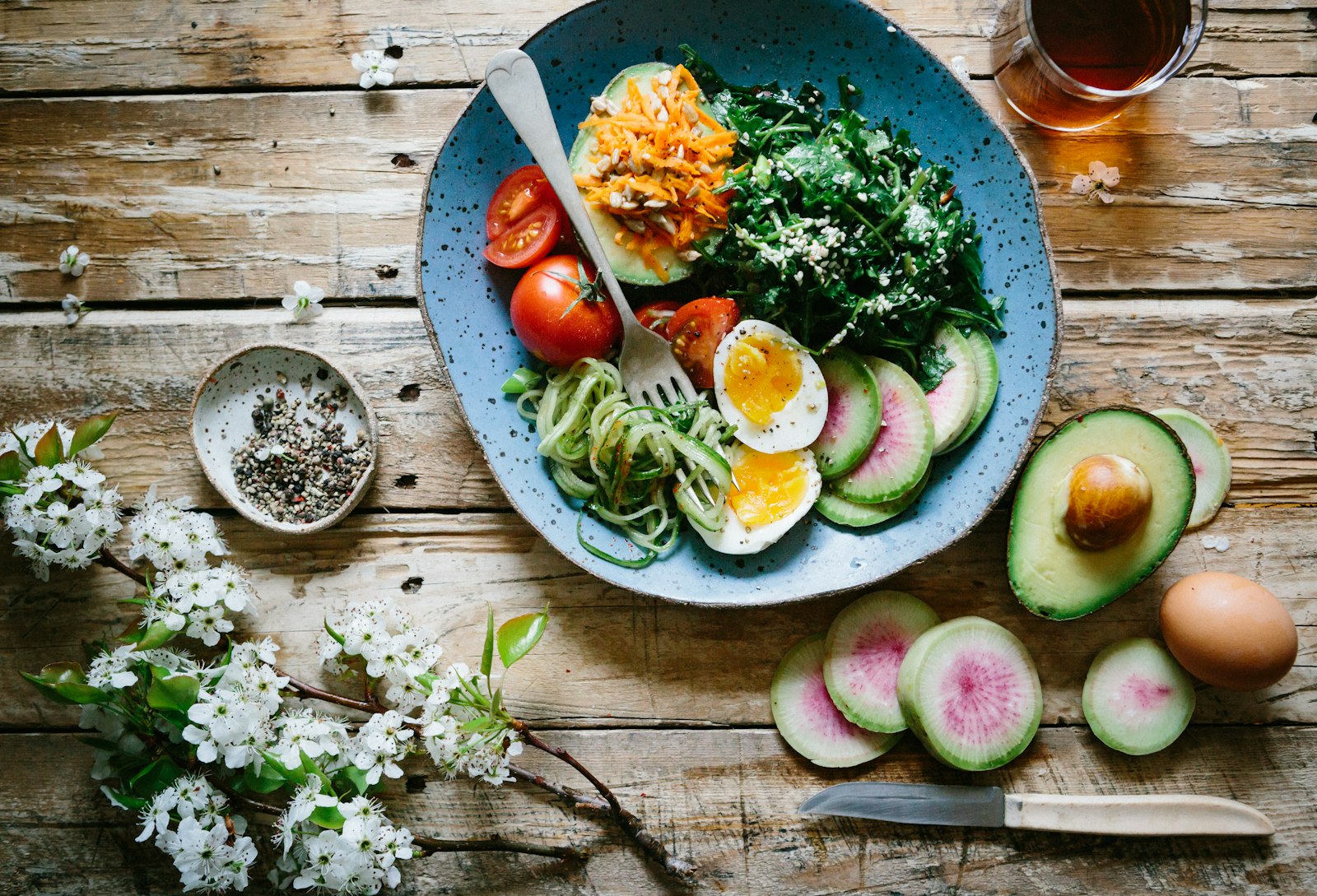
Building a Balanced Plate Without Counting Every Calorie
A relaxed, visual approach to portioning meals that keeps nutrition on track when tracking apps start to feel like homework.
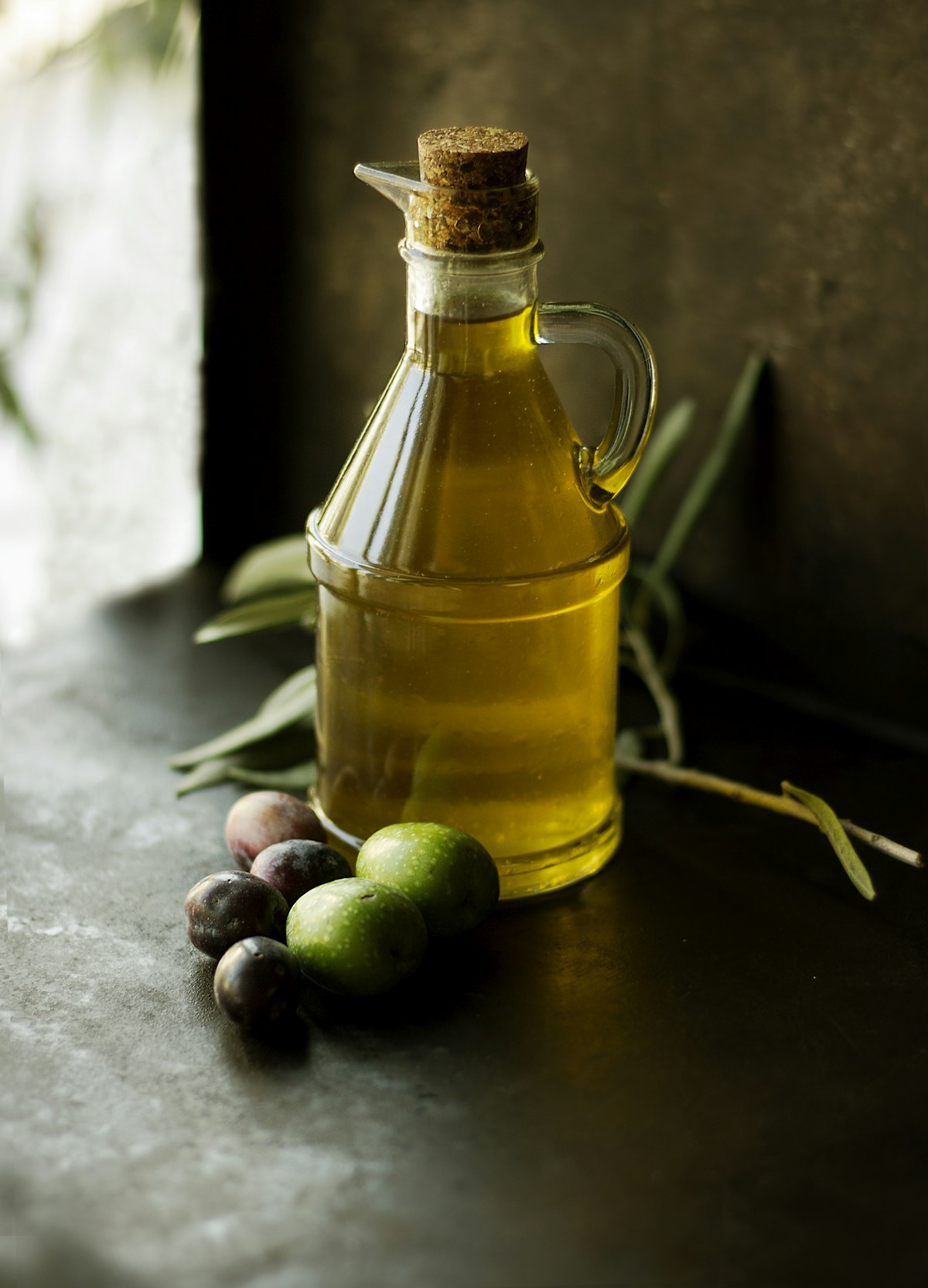
Seed Oils: The Internet's Most Controversial Food Debate
Seed oils are either inflammatory poison or heart-healthy fat, depending on who you ask. The evidence is more nuanced — oxidative instability when heated is real, but linoleic acid doesn't increase inflammation in controlled human studies.
The Farmer's Walk: Simplest Exercise, Biggest Payoff
The farmer's walk activates virtually every muscle group, builds grip strength (a mortality predictor), and produces higher core activation than planks — all from picking up weights and walking.

Peyronie's Disease: A Common Condition Men Don't Discuss
Peyronie's disease — penile fibrosis causing curvature and pain — affects 6-10% of men over 40 but rarely gets discussed. From collagenase injections to surgical correction, effective treatments exist.

Grief and Loss: Processing Death and Major Life Changes
Grief is not five stages, not linear, and not something you 'get over.' From the dual process model to broken heart syndrome to prolonged grief disorder, here's what science says about loss and recovery.

NAD+ Supplements: Anti-Aging Promise or Empty Hype?
NAD+ declines with age, impairing cellular energy and repair. Precursor supplements (NMN, NR) show dramatic anti-aging effects in mice but only modest results in human trials so far. Here's where the science actually stands.

Journaling for Health: Writing Your Way to Wellness
Expressive writing improves immune function, wound healing, chronic pain, depression, and PTSD. Over 200 studies validate journaling as a health intervention — here's how the science works and protocols to follow.
Why Most New Year's Diet Resolutions Fail by February
80% of New Year's diet resolutions fail by February — not from lack of willpower, but from psychological traps like the abstinence violation effect, hormonal counter-regulation, and all-or-nothing framing. Here's what works instead.
Understanding Cortisol: The Stress Hormone Explained
Cortisol isn't the villain wellness culture portrays. It's essential for life — but chronic disruption of its daily rhythm drives real health consequences. Here's the science of cortisol regulation and evidence-based management.
Micronutrient Deficiencies: The Blood Tests You Should Get
Over 30% of Americans have at least one micronutrient deficiency. The key blood tests — vitamin D, iron, B12, magnesium, thyroid, and omega-3 — and what to do when results are low.
Plyometrics: Explosive Training for Athletic Performance
Plyometric training develops the stretch-shortening cycle for explosive power, improving vertical jump by 7.5%, sprint speed by 2.4%, and reducing ACL injury risk by 67%. Here's how to program it properly.
Testosterone Replacement Therapy: Pros, Cons, and Risks
TRT prescriptions have tripled in two decades. Here's what the clinical evidence shows about benefits for sexual function, body composition, and mood — plus the real risks of erythrocytosis, fertility loss, and cardiovascular concerns.
Work-Life Balance: Setting Boundaries for Mental Wellness
Poor work-life boundaries drive burnout, sleep disruption, and chronic stress through incomplete psychological recovery. Evidence-based strategies for setting and maintaining boundaries that protect mental health.
Electrolytes: Beyond Sports Drinks
Electrolytes regulate heartbeat, nerve signals, and muscle function. Most people get too little potassium and magnesium. Here's when to supplement and how to avoid the sugar-laden sports drink trap.

Blue Zones: Lessons from the World's Longest-Lived People
Blue Zones research reveals nine lifestyle factors shared by the world's longest-lived populations — from Okinawa to Sardinia. Plant-based diets, natural movement, purpose, and social connection top the list.

Tracking Macros vs. Intuitive Eating: Which Is Better?
Macro tracking offers precision but risks obsession. Intuitive eating supports mental health but lacks specificity. Here's the evidence for both — and an integrated approach that captures the best of each.
Autoimmune Diseases: When Your Body Attacks Itself
Over 100 autoimmune diseases affect 24 million Americans, with the immune system attacking healthy tissue. From molecular mimicry to CAR-T cell therapy, here's the science of autoimmunity.

The Dirty Dozen: Organic vs. Conventional Produce Guide
The Dirty Dozen list ranks produce by pesticide residue levels. Here's what the residue data actually means for health, when organic is worth the premium, and why eating more produce always wins.
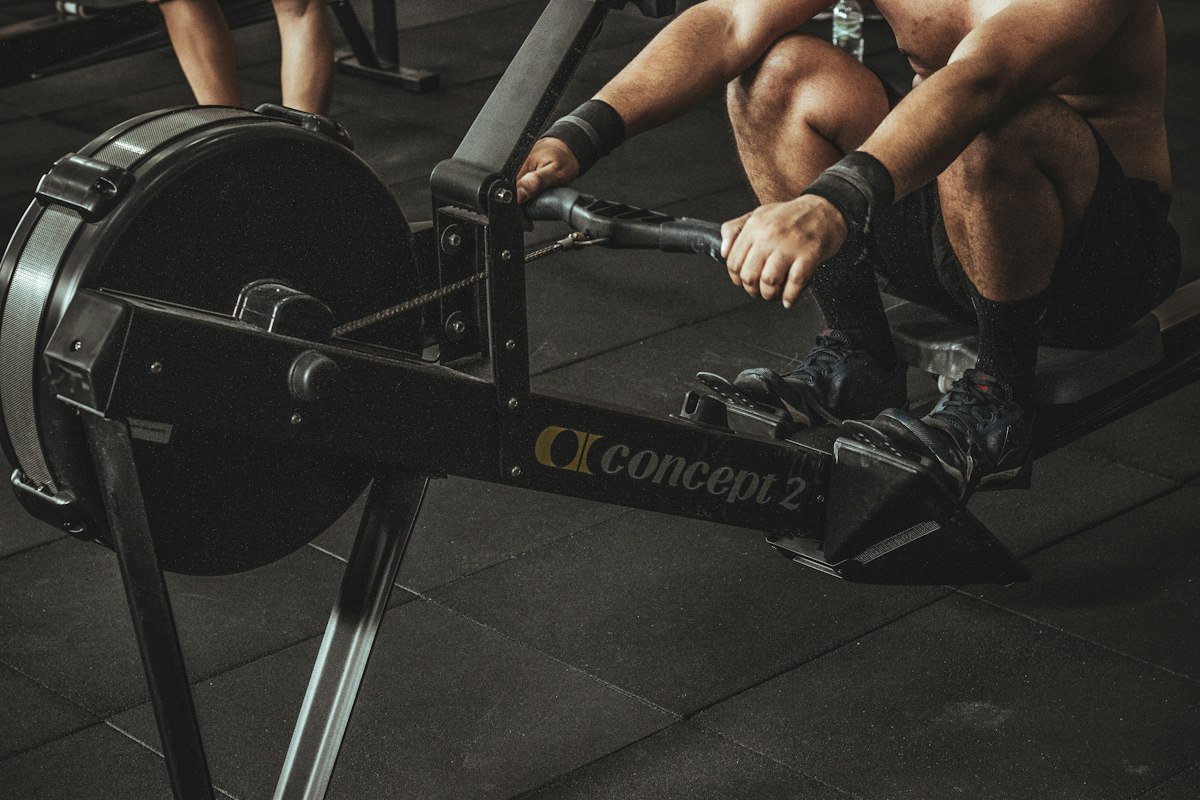
Rowing: The Full-Body Cardio Machine You Should Be Using
Rowing engages 86% of your muscles, burns more calories than most cardio machines, and is nearly zero-impact. Here's the proper technique, programming, and science behind the most underused gym machine.
Benign Prostatic Hyperplasia: When Your Prostate Grows
Benign prostatic hyperplasia affects most men over 50, causing urinary frequency, weak stream, and nocturia. From medications to minimally invasive procedures, effective treatments exist at every stage.
Addiction Recovery: The Brain Science of Breaking Free
Addiction hijacks the brain's reward, stress, and decision-making systems. Understanding the neuroscience — from dopamine downregulation to prefrontal cortex impairment — points toward evidence-based treatments that work.

Turkesterone: The Natural Muscle Builder Trending in 2025
Turkesterone supplements claim steroid-like muscle growth through a plant-derived ecdysteroid. The mechanism is plausible, but human evidence is thin, dosing is inadequate, and product quality is unreliable.

Grounding and Earthing: Pseudoscience or Legit Health Hack?
Grounding — walking barefoot to absorb the Earth's electrons — has preliminary research showing effects on blood viscosity, cortisol, and inflammation. But small studies and funding conflicts cloud the picture.
Carb Cycling: Strategic Carbs for Fat Loss and Performance
Carb cycling alternates between high and low carbohydrate days based on training demands. Here's the metabolic science, practical framework, and research behind this body composition strategy.

Sleep Apnea: The Hidden Condition Ruining Your Health
An estimated 80% of sleep apnea cases go undiagnosed while silently driving hypertension, diabetes, and cognitive decline. Here's how to recognize it and what treatment options exist.
Intermittent Fasting for Women vs. Men: Key Differences
Intermittent fasting affects men and women differently due to hormonal and metabolic differences. Women need shorter fasting windows, while men can tolerate longer protocols — here's what the research shows.
The Push-Pull-Legs Split: The Best Training Split for Growth
The push-pull-legs split organizes training by movement pattern to optimize frequency, recovery, and hypertrophy. Here's the science behind why it works and a complete program to follow.
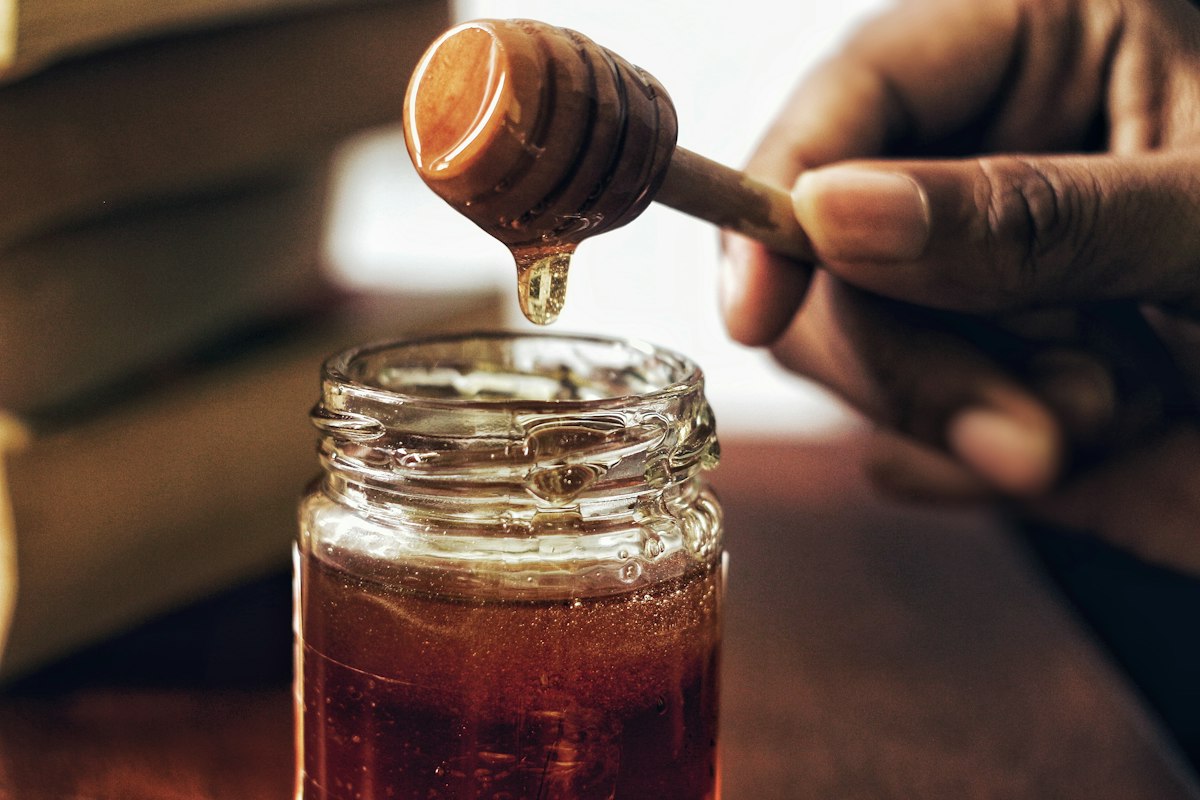
Sugar: How Much Is Too Much?
Americans consume triple the recommended sugar limit. Here's how excess sugar damages the liver, heart, and metabolism — and evidence-based strategies to reduce intake.
Functional Fitness: Training for Real-Life Strength
Functional fitness trains the seven movement patterns — squat, hinge, push, pull, carry, rotate, gait — that keep you capable and independent for life.

Gynecomastia: Understanding Male Breast Tissue Growth
Gynecomastia affects up to 65% of men and is usually benign. Learn about the hormonal causes, when to get evaluated, and the medical and surgical treatment options.

Men and Depression: The Signs You're Probably Missing
Men die by suicide at 4x the rate of women, yet are diagnosed with depression half as often. Male depression looks different — anger, numbness, substance use — and it's being missed.

ZMA: Does This Sleep Supplement Actually Work?
ZMA's testosterone claims are unsupported by independent research. But the magnesium and zinc components have real evidence for sleep and recovery — if you're deficient.

Forest Bathing: The Japanese Practice That Heals
Forest bathing increases NK cell activity by 50%, reduces cortisol by 12%, and alleviates depression. Here's the science behind the Japanese practice and how to do it.

The Psychology of Overeating: Why Willpower Isn't Enough
Overeating isn't a willpower failure — it's a neurobiological response to engineered food, emotional triggers, and depleted self-control. Here's what the science shows.
Cholesterol Explained: LDL, HDL, and What Matters
Standard cholesterol tests tell only part of the story. Learn about LDL particle size, ApoB, the triglyceride-to-HDL ratio, and which tests actually predict heart disease risk.

Gut-Brain Axis: How Your Stomach Affects Your Mood
95% of serotonin is produced in the gut, and your microbiome directly influences your mood. Here's the science of the gut-brain axis and what to eat for mental health.
Olympic Lifting for Beginners: Snatch and Clean & Jerk
A step-by-step beginner's guide to learning the snatch and clean & jerk through proper progressions, from overhead squats and hang cleans to the full lifts.
Colon Cancer Screening: Why Getting Checked Saves Lives
Colorectal cancer is 91% survivable when caught early and almost entirely preventable through polyp removal. Here's everything you need to know about screening options.

Social Media and Mental Health: The Comparison Trap
Social media use is linked to depression, anxiety, and body image issues. Here's what the research says about the comparison trap — and how to protect your mental health.

Pre-Workout Supplements: What Works, What's Hype
Most pre-workout ingredients are underdosed hype. Here's a research-based breakdown of what actually improves performance: caffeine, creatine, beta-alanine, and citrulline.
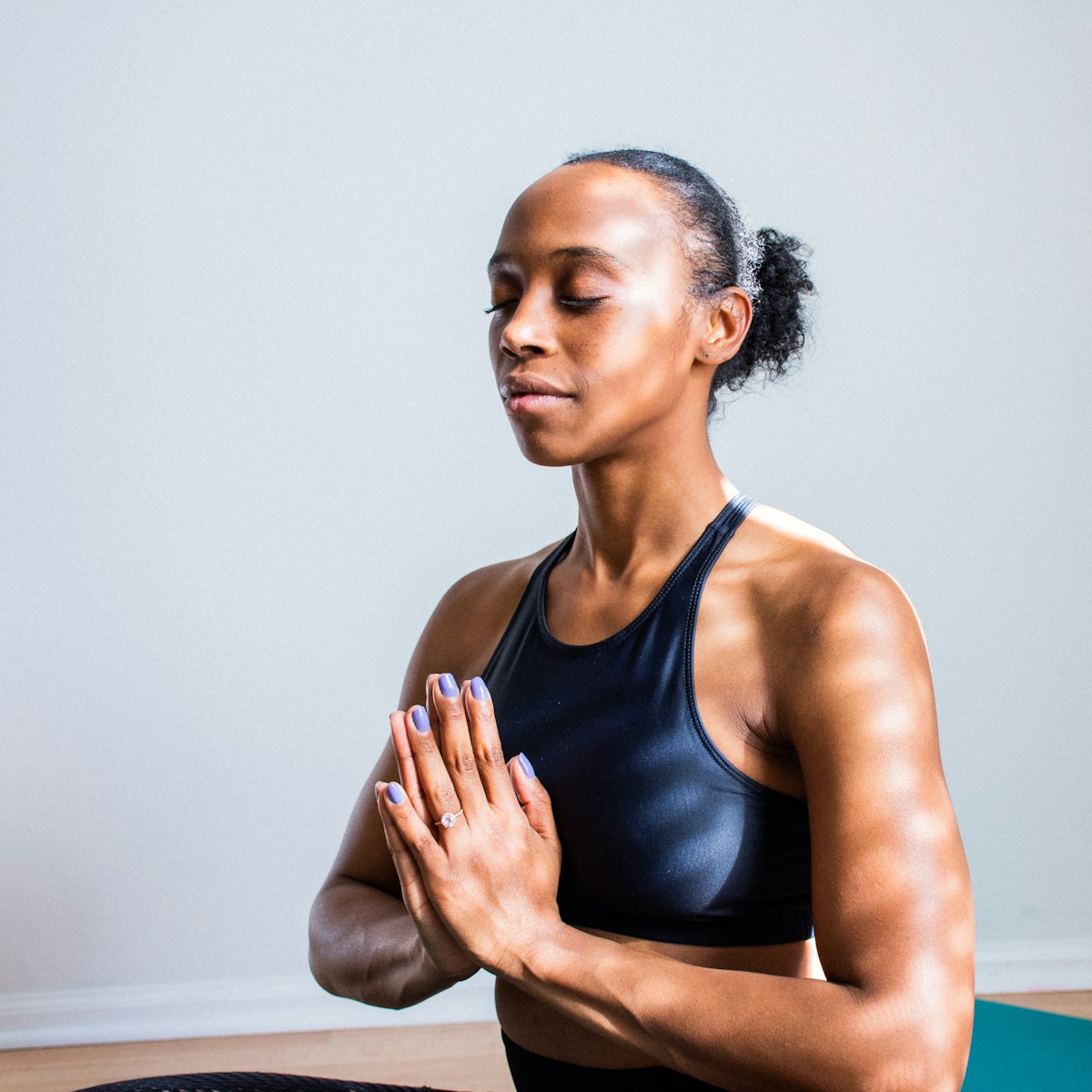
Sauna Benefits: Heat Therapy for Health and Recovery
Regular sauna use reduces cardiovascular death by up to 48% and all-cause mortality by 40%. Here's the research on heat shock proteins, recovery, and optimal protocols.
The 80/20 Rule of Weight Loss: Why Perfection Fails
Rigid dieting leads to binge eating and burnout. The 80/20 approach — structured nutrition with built-in flexibility — is what the research supports for lasting results.
Type 2 Diabetes Reversal: Real Stories, Real Science
Type 2 diabetes can be put into remission — not just managed. The DiRECT trial showed 86% remission rates in those who lost 15kg. Here's the science and the strategy.
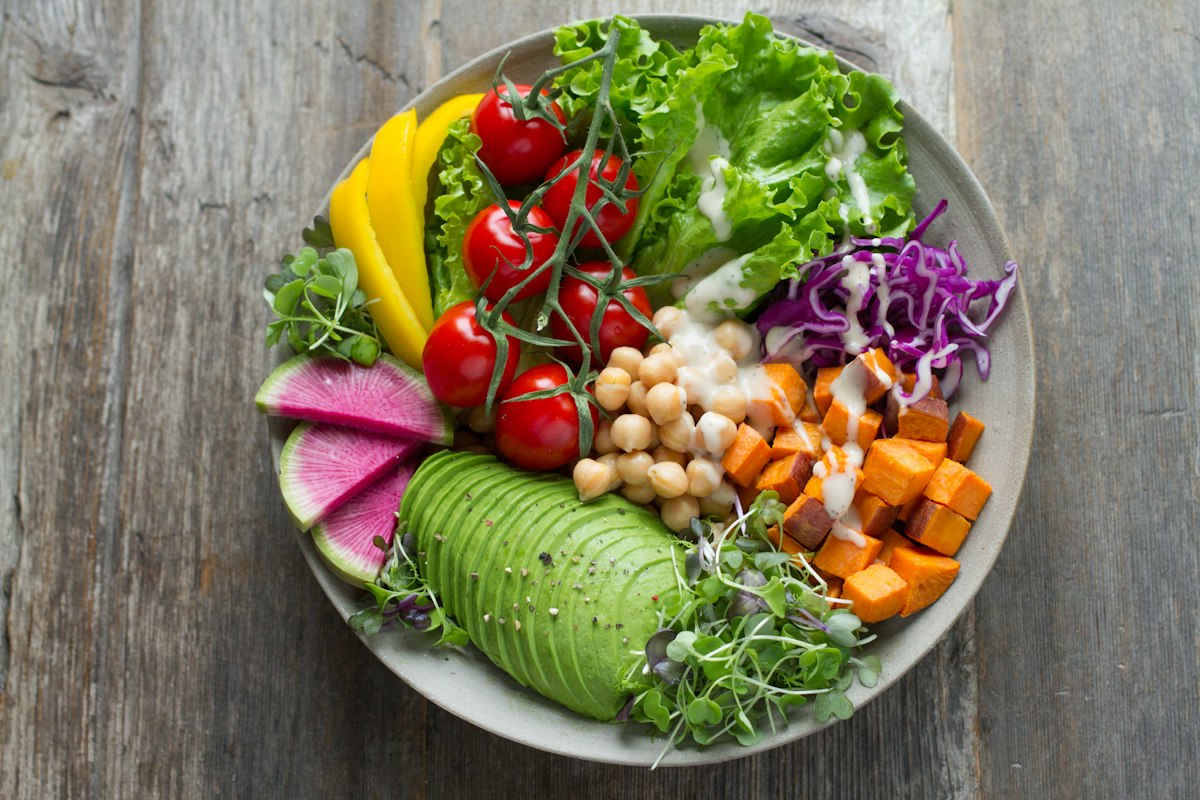
The Plant-Based Athlete: Can You Build Muscle Without Meat?
Research shows plant-based diets can support equal muscle gains when protein is matched. Here's how to optimize amino acids, leucine, and critical nutrients.

Mobility Training: The Missing Piece in Your Routine
Mobility isn't flexibility — it's the active, controlled range of motion that prevents injury and improves performance. Here's why it matters and how to train it.
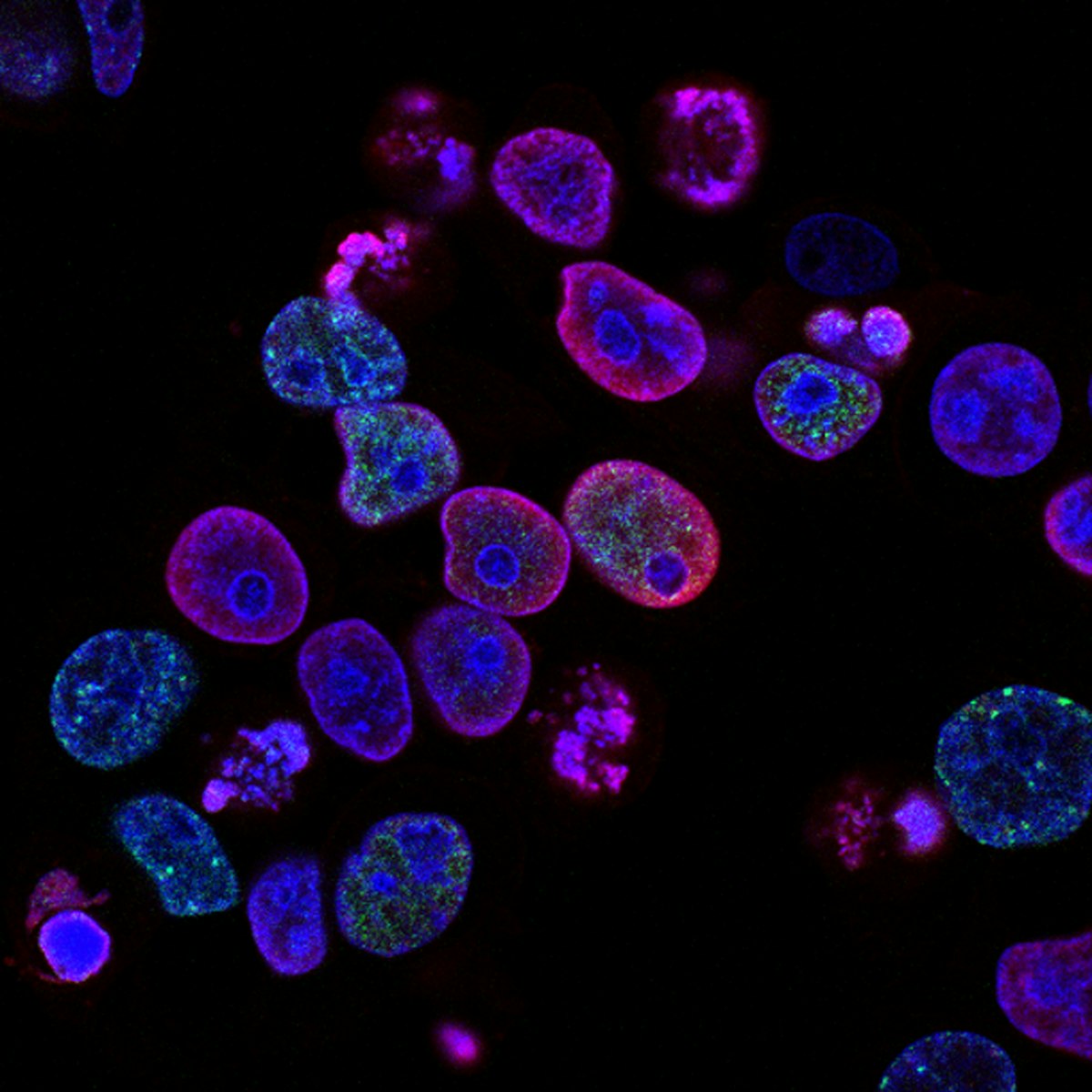
Male Fertility: What's Killing Sperm Counts?
Sperm counts have dropped 59% since 1973, and the decline is accelerating. From plastics to heat to diet, here's what the research says is driving male infertility.

Anger Management: Healthy Ways to Process Rage
Suppressing anger raises your blood pressure. Venting increases aggression. Here's what neuroscience says actually works for processing anger effectively.
Collagen Supplements: Skin Deep or Real Benefits?
Collagen supplements have surprising science behind them. A look at the clinical trials on skin elasticity, joint pain, and bone density — and where the evidence falls short.

The Science of Napping: Power Naps for Peak Performance
A 20-minute nap improves alertness by 54% and performance by 34%. Here's the neuroscience behind optimal nap timing, duration, and the coffee nap hack.
Reverse Dieting: How to Eat More and Maintain Weight Loss
After dieting, your metabolism fights back. Reverse dieting — gradually increasing calories over weeks — helps restore metabolic rate and prevent weight regain.
Chronic Inflammation: The Silent Killer
Chronic low-grade inflammation drives heart disease, cancer, diabetes, and neurodegeneration. Learn the biomarkers to track and evidence-based strategies to reduce it.
Superfoods Debunked: What's Worth Your Money
The 'superfood' label is marketing, not science. A dietitian separates genuine nutritional powerhouses from overpriced hype using randomized controlled trials.

Training for Your First Marathon: A 16-Week Plan
A science-backed 16-week marathon training plan covering base building, quality workouts, peak training, tapering, and race-day strategy for first-time marathoners.
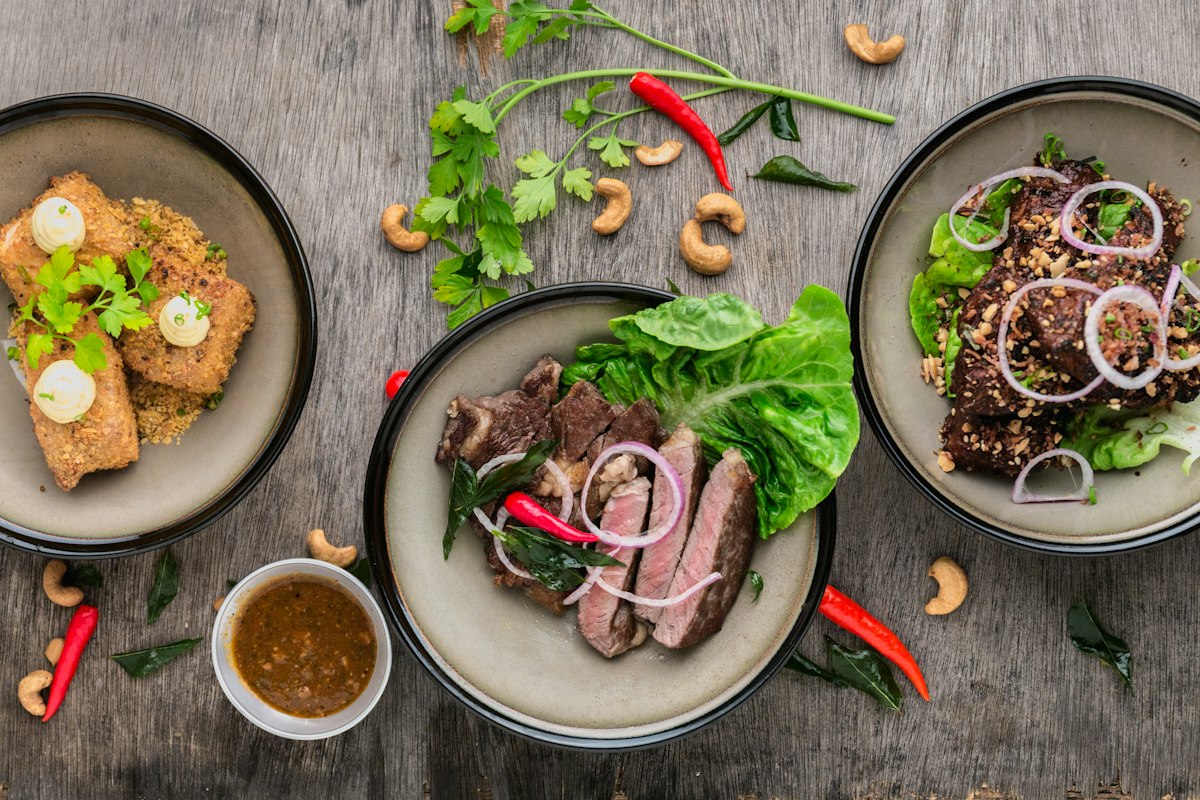
The Carnivore Diet: Fad or Future?
The carnivore diet has zero clinical trials but thousands of compelling anecdotes. A registered dietitian examines the evidence, the risks, and who might actually benefit.

Kettlebell Training: Full-Body Strength in 30 Minutes
One kettlebell can deliver strength, cardiovascular conditioning, power, and mobility in a single 30-minute session. Here's the science and a complete training program.
Vasectomy: Everything You Need to Know
Vasectomy is one of the safest procedures in medicine with 99.85% effectiveness and no effect on testosterone. Here's everything the evidence says about the procedure.
Meditation for Beginners: A No-Nonsense Guide
Over 18,000 studies show meditation changes brain structure, reduces cortisol, and improves focus. Here's a no-nonsense beginner protocol that starts at 5 minutes per day.
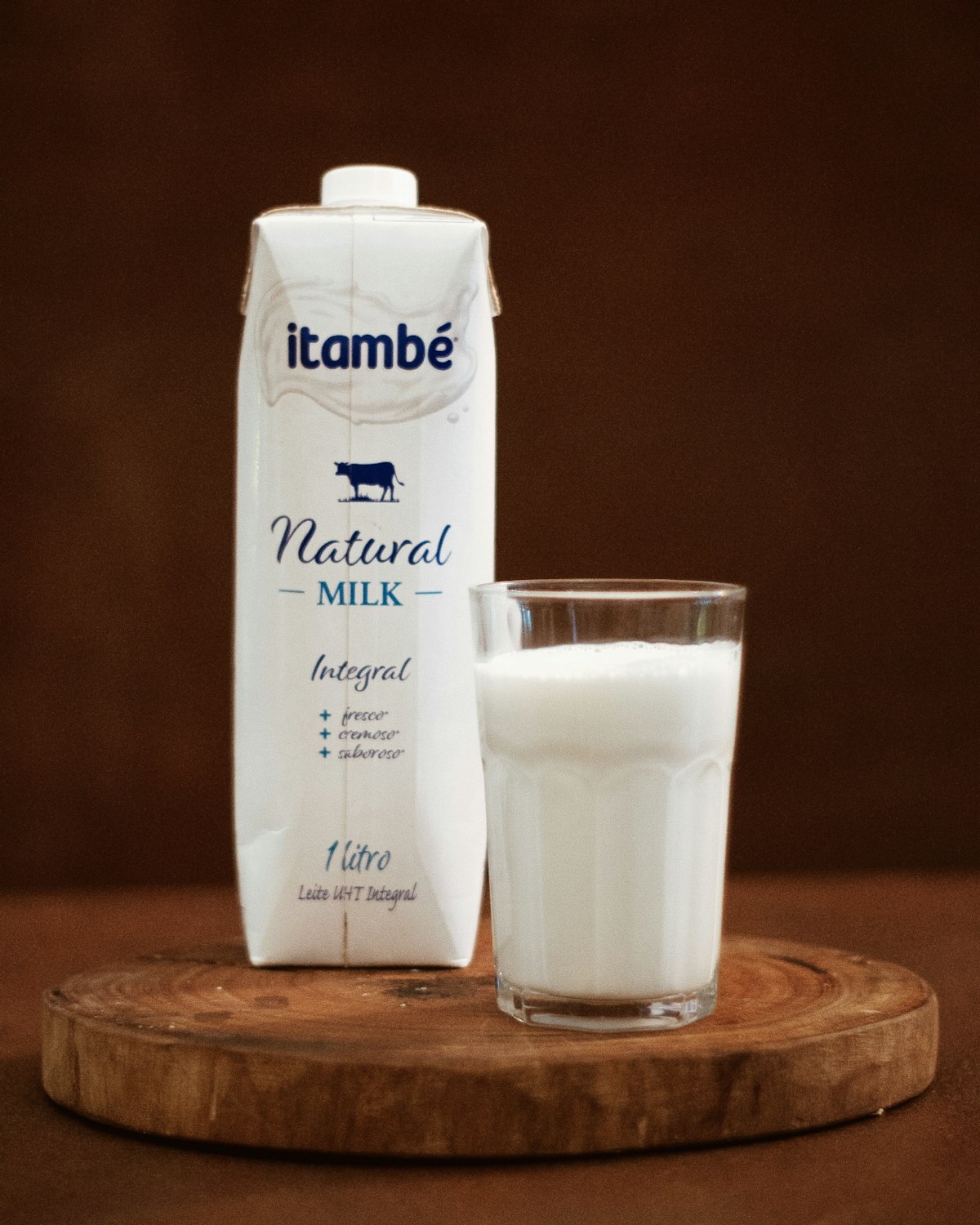
Probiotics: What the Science Actually Says
The probiotic market exceeds $80 billion, but the science is strain-specific and often overhyped. Here's what actually works, what doesn't, and how to choose wisely.
Dopamine Detox: Resetting Your Reward System
Chronic overstimulation from screens, social media, and hyper-palatable food downregulates your dopamine system. Here's the neuroscience behind resetting it.
Walking for Weight Loss: The Underrated Fat Burner
Walking 10,000 steps daily burns 2,500-3,500 extra calories per week, preserves muscle, manages cortisol, and improves insulin sensitivity — all without injury risk.
Skin Cancer Prevention: A Man's Guide to Sun Safety
Men are twice as likely to develop melanoma and far less likely to use sunscreen. Here's what every man needs to know about skin cancer prevention.
Fiber: The Forgotten Nutrient That Changes Everything
The average American man gets 15 grams of fiber daily — less than half the recommended 38 grams. This shortfall is linked to heart disease, diabetes, cancer, and obesity.

Swimming: The Total-Body Workout Most Guys Are Sleeping On
Swimming engages more total muscle mass than almost any land-based exercise, burns 400-700 calories per hour, and is virtually impact-free. Here's how to add it to your training.

Heart Disease in Men: Risk Factors and Prevention
Heart disease kills one in four men, but 90% of heart attacks involve modifiable risk factors. Here's what the Framingham Heart Study teaches us about prevention.

The Male Loneliness Epidemic: Building Real Connections
15% of men have no close friends — a five-fold increase since 1990. The health consequences rival smoking. Here's why it's happening and what to do about it.

Ashwagandha: Ancient Herb With Modern Science
Ashwagandha has over 100 clinical studies supporting its effects on cortisol, testosterone, sleep, and exercise performance. Here's what the research actually shows.
Breathwork Techniques for Stress, Focus, and Recovery
From Navy SEAL box breathing to Stanford's physiological sigh, these five evidence-based breathwork techniques can reduce stress, improve focus, and accelerate recovery.
Metabolic Adaptation: Why Diets Stop Working
Your body fights weight loss through hormonal shifts, metabolic slowdown, and unconscious movement reduction. Here's the science of metabolic adaptation and how to outsmart it.

Back Pain: The Office Worker's Guide to Spinal Health
Low back pain is the world's leading cause of disability, and prolonged sitting is a major driver. Here's an evidence-based plan for spinal health at the office.
Hydration: How Much Water Do You Really Need?
The '8 glasses a day' rule has no scientific basis. Here's what the research actually says about hydration needs, electrolytes, and how to tell if you're drinking enough.
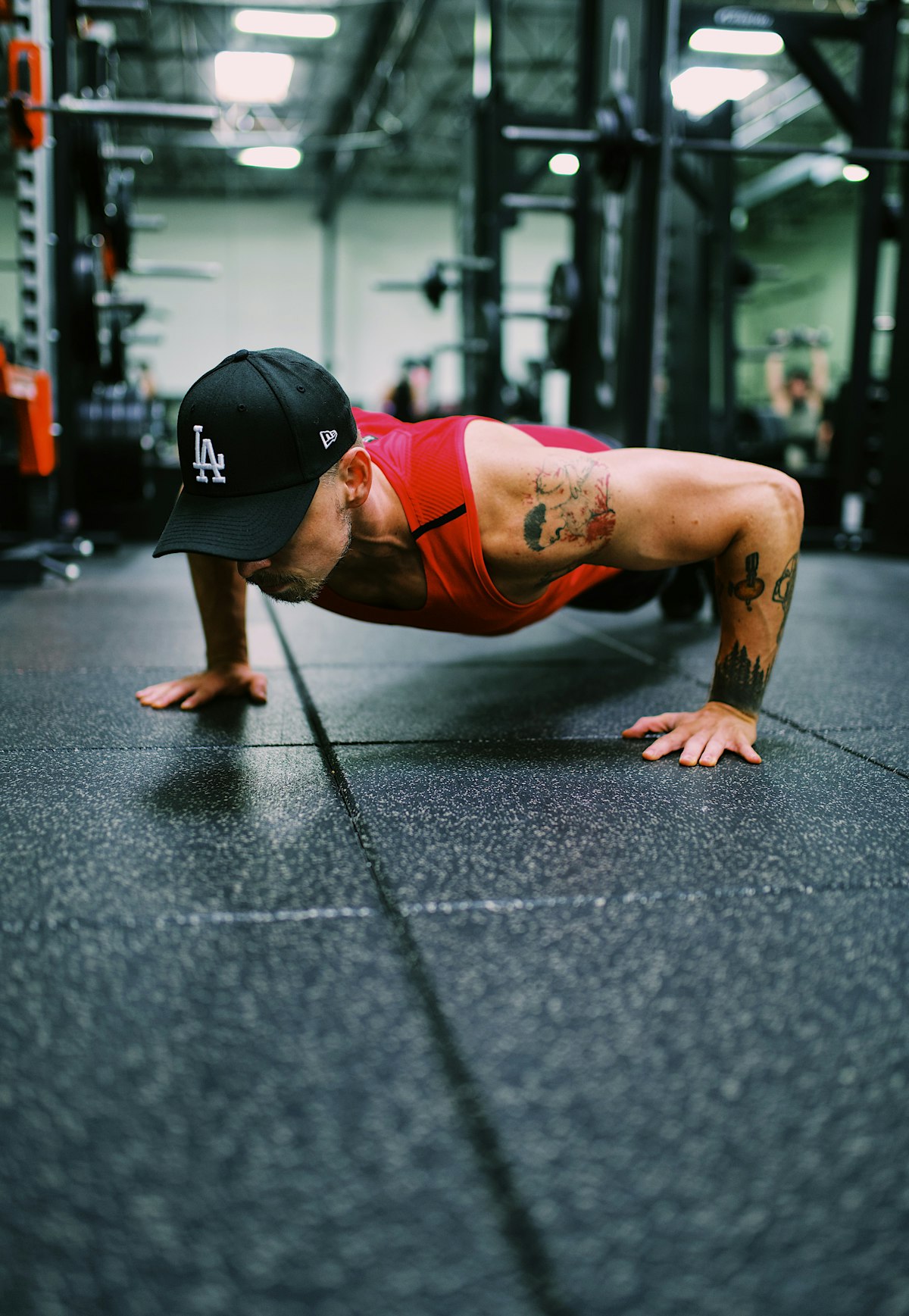
Calisthenics: Build Serious Muscle With Just Your Body Weight
Calisthenics can build impressive muscle when programmed correctly. Here's the science of bodyweight hypertrophy, progressive overload strategies, and a complete training program.
Erectile Dysfunction: Breaking the Silence on Men's Sexual Health
ED affects 30 million American men and often signals cardiovascular disease years before a heart attack. Here's what causes it, how to treat it, and why you shouldn't ignore it.
PTSD and Men: Why We Don't Talk About Trauma
Men with PTSD often express symptoms through anger, numbness, and substance use rather than classic anxiety — leading to massive underdiagnosis and undertreated trauma.

Magnesium: The Mineral Most Americans Are Deficient In
Over half of Americans are magnesium-deficient. This essential mineral affects sleep, anxiety, muscle function, heart health, and blood sugar — here's how to fix it.

Cold Exposure Therapy: Ice Baths, Cold Showers, and Science
Cold exposure triggers a massive norepinephrine surge, activates brown fat, and may boost immunity — but the timing matters, especially around strength training.
Plateau Busters: What To Do When Weight Loss Stalls
Weight loss plateaus are biologically inevitable — but they're also beatable. Here are six evidence-based strategies to restart fat loss when the scale won't budge.
Diabetes Prevention: Lifestyle Changes That Actually Work
The landmark Diabetes Prevention Program showed lifestyle changes reduce diabetes risk by 58%. Here are the five evidence-based strategies that actually work.
Keto vs. Paleo: A Nutritionist's Honest Comparison
A registered dietitian breaks down the real science behind keto and paleo — what works, what doesn't, and which diet fits your goals.
The Science of Stretching: Flexibility for Performance and Longevity
Flexibility affects everything from athletic performance to cardiovascular health. Here's what the research says about static, dynamic, and PNF stretching — and a protocol that works.
Meal Prep 101: Save Time, Eat Better, Spend Less
Meal prep saves $2,000+ per year and is the single most practical strategy for eating well consistently. Here's your complete beginner's guide.
Deadlifts: The King of All Exercises
The deadlift trains 70% of your skeletal muscle in a single movement. Master the technique, avoid common mistakes, and build unmatched full-body strength.

Hair Loss in Men: Causes, Prevention, and Treatments
Two-thirds of men experience hair loss by 35. Here's the science behind male pattern baldness and every evidence-based treatment option available.
Burnout Recovery: Rebuilding When You've Hit the Wall
Burnout isn't just stress — it produces measurable brain and hormonal changes. Here's a five-stage recovery framework backed by science.
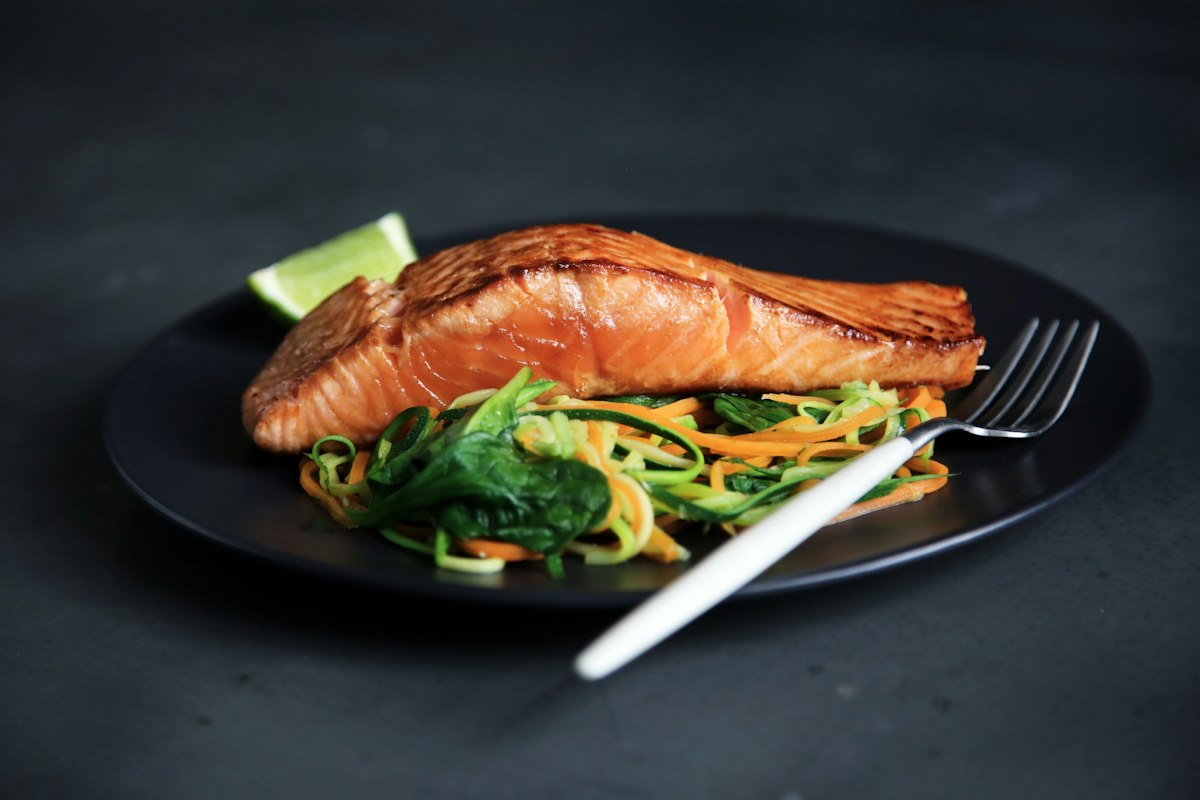
Omega-3 Fatty Acids: Fish Oil, Flaxseed, and Beyond
95% of Americans are deficient in omega-3 fatty acids. Here's what EPA, DHA, and ALA do, the best food sources, and how to supplement effectively.
Digital Detox: How Screen Time Affects Your Health
The average adult spends 11 hours daily on screens. Here's how it affects your sleep, mental health, and metabolism — and a practical plan to reclaim your time.
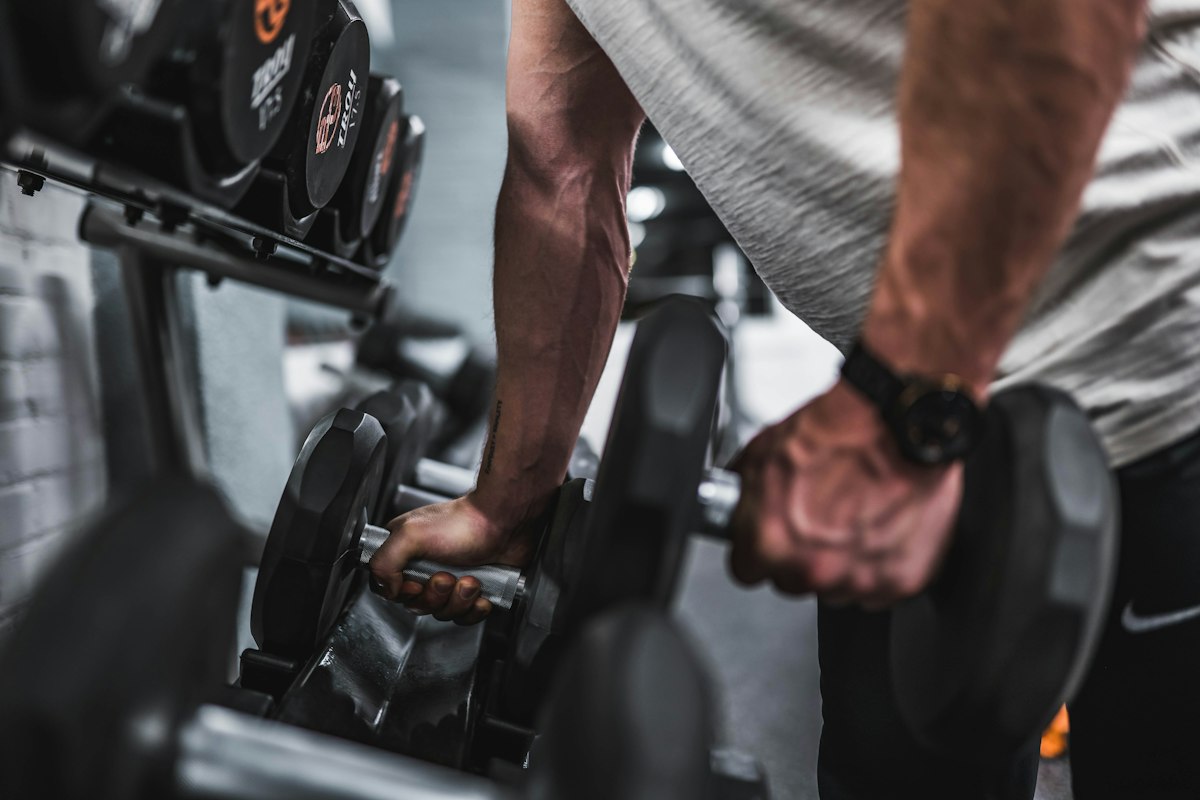
Building Muscle While Losing Fat: The Body Recomposition Guide
Building muscle while losing fat isn't a myth — it's well-documented in research. Here's the exact nutritional and training framework to make it happen.

Gut Health: The Microbiome's Role in Everything
38 trillion microorganisms in your gut control your immunity, mood, metabolism, and disease risk. Here's how to build a thriving microbiome.
Anti-Inflammatory Foods That Fight Chronic Disease
Chronic inflammation drives 50% of all deaths worldwide. These foods — backed by research — are your most powerful defense against inflammatory disease.

HIIT vs. Steady-State Cardio: Which Burns More Fat?
HIIT and steady-state cardio both burn fat, but through different mechanisms. Here's what the research says about which is more effective — and when to use each.
Prostate Health: A Guide for Men Over 50
By age 60, half of all men have prostate enlargement. Learn about BPH, cancer screening, and the evidence-based strategies that protect prostate health.

How Exercise Rewires Your Brain for Better Mental Health
Exercise is 1.5x more effective than medication for depression symptoms. Here's the neuroscience of how movement rewires your brain for better mental health.
Vitamin D: The Sunshine Vitamin Most People Are Missing
42% of Americans are vitamin D deficient — a condition linked to weakened immunity, depression, and bone loss. Here's how to test and optimize your levels.
Morning Routines of the World's Healthiest People
The first 90 minutes of your day shape your energy, focus, and sleep quality. Here are six evidence-based morning habits from the world's healthiest people.
The Truth About Calorie Counting: Does It Actually Work?
Calorie counting is the most recommended and most criticized diet strategy. Here's an honest look at when it works, when it doesn't, and how to do it right.
Heart Health 101: Protecting Your Most Important Muscle
Heart disease kills more people than any other condition, yet 80% of cardiovascular events are preventable. Here's your complete guide to heart health.
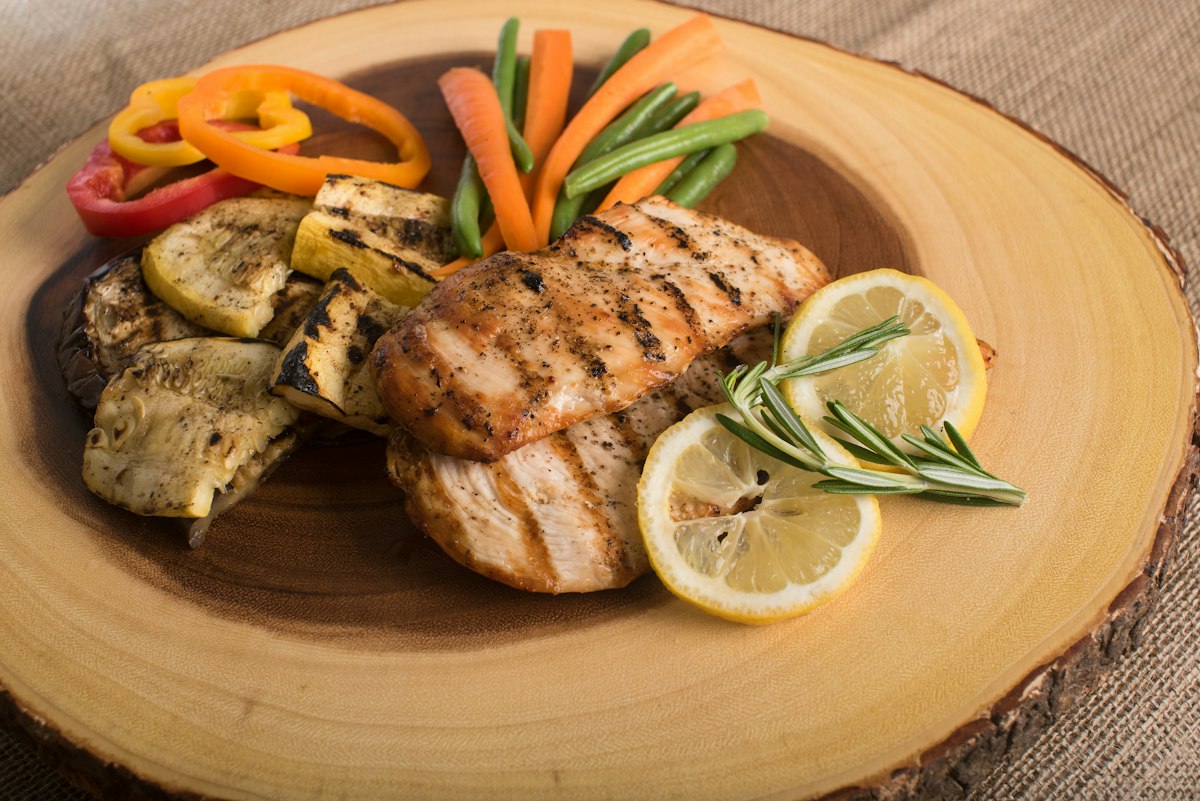
Protein: How Much Do You Really Need Per Day?
Cutting through the confusion on protein intake — what the research says about optimal amounts for muscle building, fat loss, and general health.

Progressive Overload: The Only Training Principle You Need
Progressive overload is the foundational principle behind every strength gain and muscle built. Here are five methods to apply it and keep progressing.
Testosterone After 40: What Every Man Should Know
Testosterone declines 1-2% per year after 30. Learn what the numbers mean, how to optimize naturally, and when TRT might be the right choice.
Managing Anxiety Without Medication: Evidence-Based Strategies
From CBT techniques to breathing protocols backed by Stanford research, these evidence-based strategies can help manage anxiety without medication.

Creatine: The Most Research-Backed Supplement in Fitness
With over 500 studies behind it, creatine monohydrate is the most proven supplement in sports nutrition. Here's exactly what it does and how to use it.
Sleep Optimization: The One Habit That Changes Everything
Sleep deprivation undermines everything from testosterone to immune function. Here are 10 evidence-based strategies to transform your sleep quality.
Intermittent Fasting: The Science Behind the Hype
Examining the real research behind intermittent fasting — what it does to your metabolism, who it works for, and who should avoid it.
Understanding Your Blood Pressure: What the Numbers Really Mean
Nearly half of adults have high blood pressure but don't know it. Learn what your numbers mean and the lifestyle changes that can bring them down.
Mediterranean Diet: Why Scientists Call It the World's Healthiest
Decades of research confirm the Mediterranean diet reduces heart disease, cognitive decline, diabetes, and depression. Here's exactly how to follow it.
The Ultimate Full-Body Workout for Busy Professionals
A science-backed, three-day-per-week training program designed for professionals who want maximum results in minimum time.