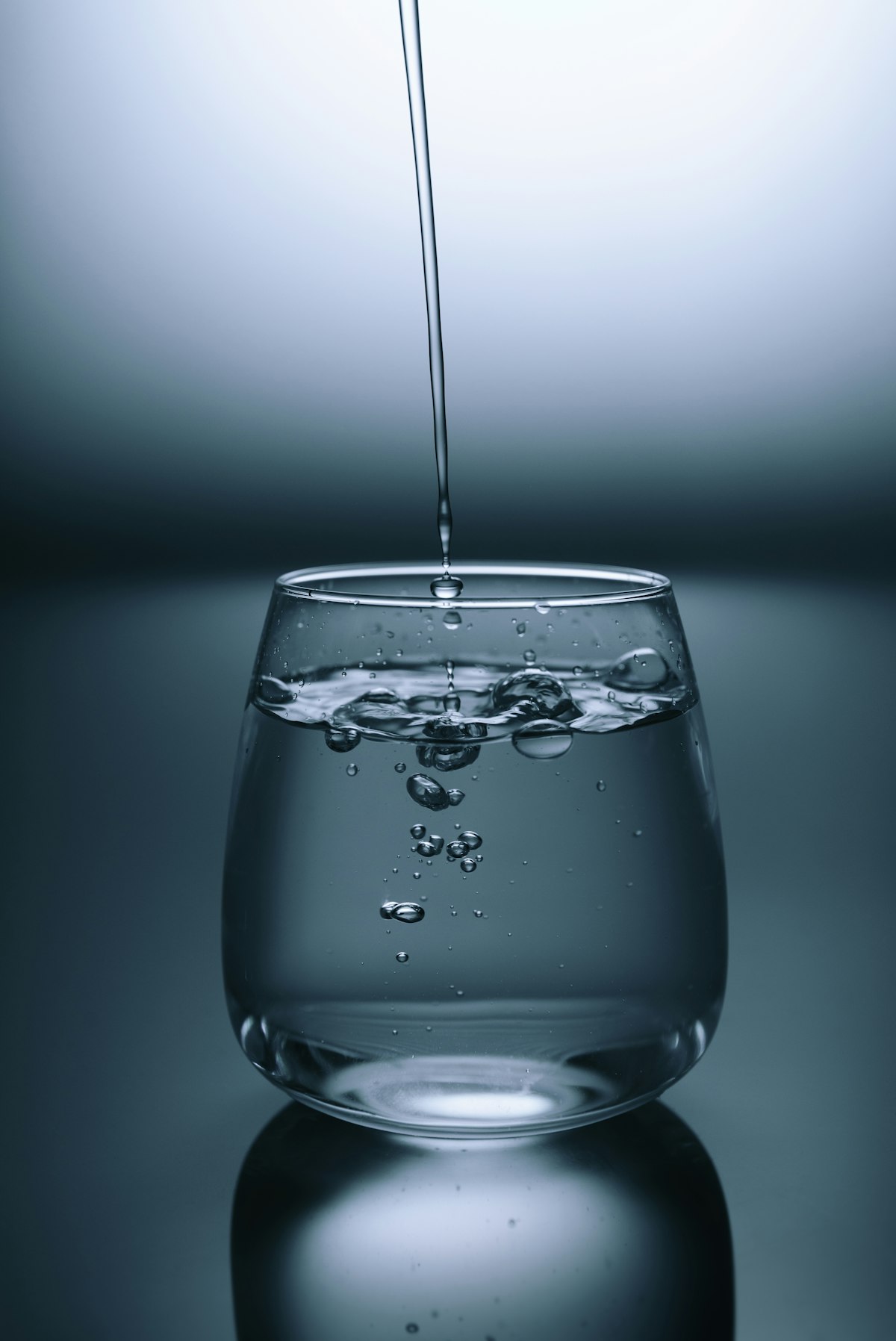
The Eight-Glasses Myth
"Drink eight glasses of water a day." It's one of the most repeated pieces of health advice in history — and it has virtually no scientific basis. This recommendation has been traced back to a 1945 U.S. Food and Nutrition Board report that suggested approximately 2.5 liters of daily water intake, but critically noted that "most of this quantity is contained in prepared foods." The second half of that sentence was lost to history, and the myth was born.
In 2002, Dr. Heinz Valtin published a thorough review in the American Journal of Physiology searching for evidence behind the 8×8 recommendation. His conclusion: "No scientific studies were found in support of 8×8." A more recent 2022 study in Science using doubly labeled water (the gold standard for measuring water turnover) analyzed data from 5,604 people across 23 countries and found that daily water needs vary enormously based on body size, activity level, climate, diet, age, and body composition.
So how much water do you actually need? The answer is more nuanced — and more personalized — than any single number can capture.
What Hydration Actually Means Physiologically
Your body is approximately 60% water by weight. This water serves as a solvent for biochemical reactions, a transport medium for nutrients and waste, a temperature regulator (through sweat), a lubricant for joints, and a structural component of cells.
Your body maintains fluid balance through a tightly regulated feedback system. When blood osmolality rises (indicating dehydration), osmoreceptors in the hypothalamus trigger the release of antidiuretic hormone (ADH), which tells your kidneys to conserve water. Simultaneously, thirst signals are generated. When you drink, blood osmolality drops, ADH decreases, and your kidneys excrete the excess.
This system is remarkably precise. A 2015 review in the Annals of Nutrition and Metabolism confirmed that in healthy adults with access to water, the thirst mechanism maintains hydration status within a narrow physiological range under normal conditions.
How Much You Actually Need
The National Academies of Sciences, Engineering, and Medicine established Adequate Intake (AI) levels for total water:
- Men: 3.7 liters (125 ounces) total water per day
- Women: 2.7 liters (91 ounces) total water per day
Critically, these figures include all water from food and beverages — not just plain water. The average American diet provides roughly 20% of daily water intake through food (fruits, vegetables, soups, and even meat contain significant water). Coffee, tea, milk, and other beverages all count toward your total.
This means the actual amount of plain water you need to drink is roughly 2.5-3 liters (85-100 ounces) per day for an average-sized, moderately active man — with significant variation based on individual factors.
Factors That Increase Your Needs
Exercise: You lose approximately 0.5-2.0 liters of sweat per hour during moderate-to-vigorous exercise, depending on intensity, temperature, humidity, and individual sweat rate. The American College of Sports Medicine recommends drinking 400-800 mL per hour during exercise, adjusted based on sweat rate.
Heat exposure: Working or living in hot environments increases insensible water loss through respiration and sweat. Desert military operations can require 10+ liters of daily water intake.
Altitude: Higher altitudes increase respiratory water loss due to faster, deeper breathing and lower humidity. A 2006 study in High Altitude Medicine & Biology showed that water requirements increased by approximately 500 mL per day at altitudes above 8,000 feet.
High-protein diets: Metabolizing protein produces urea, which requires water for renal excretion. Men consuming 1+ gram of protein per pound of body weight should deliberately increase their water intake.
Alcohol consumption: Alcohol inhibits ADH, increasing urine output. One drink typically causes approximately 320 mL of excess water loss.
Signs of Dehydration
Mild Dehydration (1-3% body weight loss)
- Thirst
- Darker urine (amber rather than pale yellow)
- Mild headache
- Reduced concentration
- Slight fatigue
A 2012 study in the Journal of Nutrition found that even mild dehydration (1.36% body weight loss) in young women significantly impaired concentration, increased headache frequency, and worsened mood. A companion study in British Journal of Nutrition showed similar cognitive effects in young men at 1.59% dehydration.
Moderate-to-Severe Dehydration (3-5%+ body weight loss)
- Dizziness
- Rapid heartbeat
- Sunken eyes
- Very dark urine or significantly reduced urine output
- Muscle cramps
- Confusion (severe cases)
Performance Impact
For athletes and gym-goers, even small fluid deficits matter. A 2007 meta-analysis in the Journal of Athletic Training found that dehydration of just 2% body weight reduced endurance performance by an average of 7%, reduced strength by 2-3%, and significantly impaired high-intensity work capacity.
The Urine Color Test
The simplest hydration assessment is urine color. Dr. Lawrence Armstrong at the University of Connecticut developed and validated a urine color chart that correlates with urine specific gravity — an objective hydration marker:
- Pale straw to light yellow: Well-hydrated
- Yellow: Adequately hydrated
- Dark yellow: Mildly dehydrated — drink more
- Amber or honey: Moderately dehydrated — drink water now
- Brown: Severely dehydrated — seek medical attention
Check first morning urine for the most accurate reading, as hydration status upon waking reflects your overnight fluid balance.
Electrolytes: The Other Half of the Equation
Water alone isn't enough. Sodium, potassium, magnesium, and chloride are essential for fluid balance, nerve conduction, and muscle contraction. Drinking large volumes of plain water without adequate electrolytes can actually dilute blood sodium — a potentially dangerous condition called hyponatremia.
Exercise-associated hyponatremia is more common than many athletes realize. A 2005 study in the New England Journal of Medicine found that 13% of Boston Marathon finishers had hyponatremia, with risk highest among slower runners who drank excessively during the race.
For most people, a balanced diet provides sufficient electrolytes. But if you're exercising intensely for more than 60-90 minutes, sweating heavily, or eating a low-sodium diet, consider an electrolyte supplement containing sodium (300-600 mg per hour of exercise), potassium, and magnesium.
Practical Hydration Strategy
Rather than obsessing over a specific number of glasses, use this framework:
- Drink when you're thirsty — your thirst mechanism works well unless you're elderly or exercising intensely
- Monitor your urine color — aim for pale yellow throughout the day
- Front-load your intake — drink 500 mL upon waking to rehydrate after overnight fluid loss
- Carry a water bottle — environmental cues dramatically increase fluid intake
- Add electrolytes when sweating — during exercise over 60 minutes or in hot environments
- Count all fluids — coffee, tea, and water-rich foods all contribute to hydration
The goal isn't to drink as much water as humanly possible. It's to drink enough to support your body's needs — no more, no less.
Comments
Sign in to join the conversation
Sign In