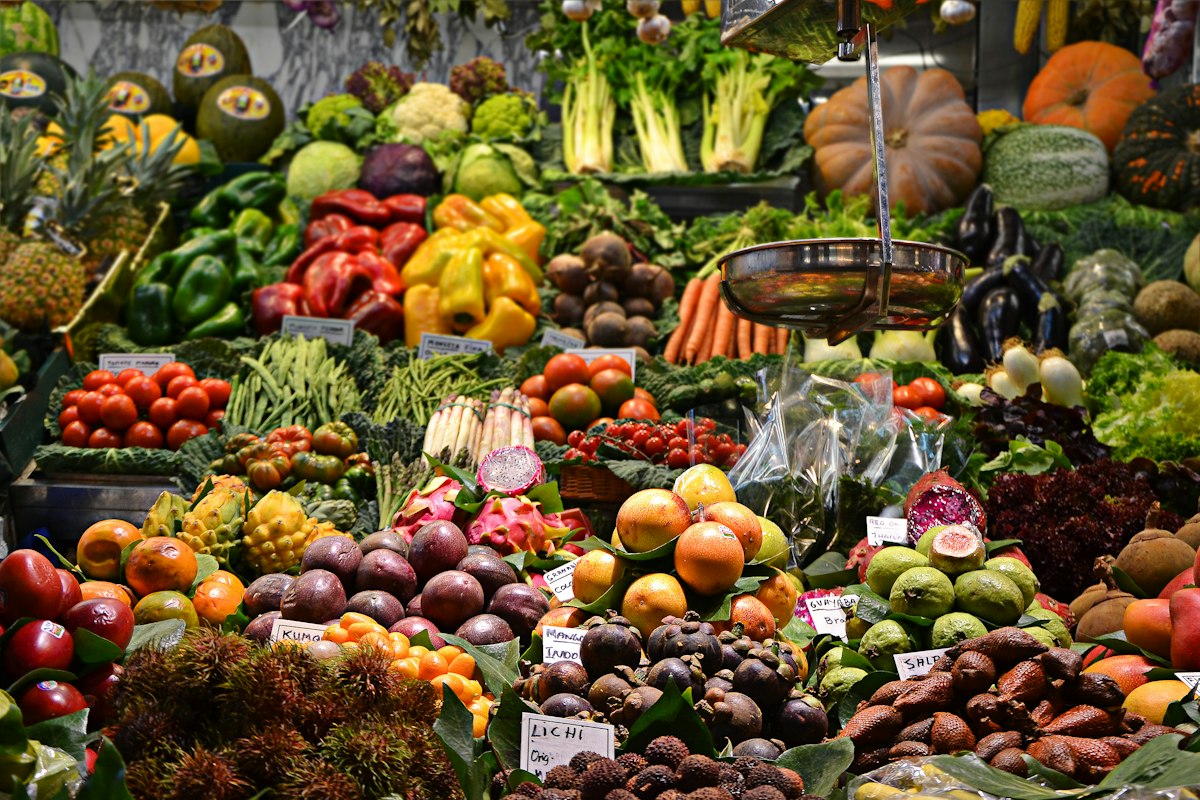
The Annual List That Divides Nutritionists
Every year, the Environmental Working Group (EWG) releases its "Dirty Dozen" list — a ranking of the 12 fruits and vegetables with the highest pesticide residues when grown conventionally. The list generates intense debate: organic advocates cite it as evidence that conventional produce is toxic, while skeptics argue the residue levels are negligible and the list causes unnecessary fear that discourages produce consumption entirely.
The 2025 Dirty Dozen: strawberries, spinach, kale/collard/mustard greens, grapes, peaches, pears, nectarines, apples, bell and hot peppers, cherries, blueberries, and green beans. The "Clean Fifteen" — produce with the lowest residues — includes avocados, sweet corn, pineapple, onions, papaya, frozen sweet peas, asparagus, honeydew melon, kiwi, cabbage, mushrooms, mangoes, sweet potatoes, watermelon, and carrots.
But what does the science actually say about pesticide residues, health risk, and whether organic is worth the premium?
Pesticide Residues: The Numbers
What's Being Detected
The USDA's Pesticide Data Program (PDP) tests approximately 10,000 produce samples annually. The 2023 report found that 99.5% of conventional produce samples had residue levels below EPA tolerance levels — the maximum residue limits set with a 100-fold safety factor built in.
However, "below tolerance" doesn't mean "zero." A 2020 analysis in Environmental Health Perspectives found that 70% of conventional produce samples contained detectable residues of at least one pesticide, with some samples containing residues of 10 or more different compounds.
Organic vs. Conventional Residues
Organic produce is not pesticide-free — organic farming permits certain naturally derived pesticides including copper sulfate, pyrethrin, and spinosad. However, a 2012 meta-analysis in the Annals of Internal Medicine by Smith-Spangler et al. found that organic produce had 30% lower detectable pesticide residues than conventional produce.
A more recent 2020 study in Environmental Research using biomonitoring (measuring pesticide metabolites in urine) demonstrated that switching to an organic diet for just one week reduced urinary organophosphate pesticide metabolites by 60-70% in adults and children.
Health Effects: What the Evidence Shows
Epidemiological Evidence
The question of whether dietary pesticide exposure at typical levels causes harm is enormously difficult to study. You can't randomize people to decades of pesticide exposure.
Observational evidence includes:
A 2018 study in JAMA Internal Medicine followed 68,946 French adults for 4.5 years and found that those reporting the highest frequency of organic food consumption had a 25% lower risk of cancer — particularly lymphomas and post-menopausal breast cancer. Caveat: Organic food consumers also tend to eat more produce overall, exercise more, smoke less, and have higher socioeconomic status. The researchers adjusted for these confounders, but residual confounding is impossible to eliminate.
A 2019 cohort study in Environment International linked higher dietary pesticide exposure scores (based on USDA residue data mapped to food frequency questionnaires) to reduced fertility in women undergoing assisted reproduction. Women in the highest pesticide exposure quartile had 26% lower odds of clinical pregnancy.
Mechanistic Concerns
Organophosphates (chlorpyrifos, malathion) inhibit acetylcholinesterase and have documented neurodevelopmental effects at occupational exposure levels. A 2012 longitudinal study in Environmental Health Perspectives found associations between prenatal organophosphate exposure and lower IQ in children at age 7 — but exposure levels were far higher than typical dietary intake.
Endocrine disruption is the most biologically plausible concern at dietary exposure levels. Several common pesticides (atrazine, chlorpyrifos, permethrin) have demonstrated endocrine-disrupting properties in laboratory studies. A 2020 review in Endocrine Reviews concluded that the combined effect of multiple low-dose endocrine disruptors ("cocktail effects") may exceed the risk predicted by studying each compound individually.
The Counterargument
Toxicologists frequently point out that dose matters. A 2011 risk assessment published in the Journal of Toxicology calculated that a consumer would need to eat 529 servings of strawberries per day to reach the EPA's reference dose for the most common pesticide found on strawberries. For apples, the number was 850 servings per day.
Bruce Ames, the renowned biochemist, argued in a widely cited 1990 paper in PNAS that natural pesticides produced by plants themselves (phytoalexins) are present in far higher concentrations in our diet than synthetic residues, and many are carcinogenic in rodent bioassays at high doses.
The Practical Framework
Where Organic Matters Most
Based on residue data and exposure considerations, investing in organic makes the most difference for:
High-residue, high-consumption items: If you eat strawberries, apples, or spinach daily, switching these to organic removes the majority of your pesticide exposure because these items dominate both residue levels and consumption frequency.
Children's diets: Children have higher food intake relative to body weight and developing organ systems more susceptible to endocrine disruption. A 2019 AAP policy statement acknowledged that "children's unique susceptibilities to pesticides" warrant consideration of organic options.
Pregnancy: The evidence linking organophosphate exposure to neurodevelopmental outcomes, while not conclusive, is sufficient for the American College of Obstetricians and Gynecologists to recommend "reducing exposure to toxic environmental agents" during pregnancy.
Where Conventional Is Fine
The Clean Fifteen items have minimal residue regardless of production method. Avocados and sweet corn had detectable pesticides on fewer than 2% of samples in the 2023 PDP data. Buying these organic is paying a premium for negligible benefit.
Additionally, any produce with a thick, inedible peel (bananas, oranges, pineapple, watermelon) carries very low residue on the consumed portion.
Washing and Preparation
Regardless of organic or conventional status, proper washing removes a significant portion of surface residues:
- A 2017 study in the Journal of Agricultural and Food Chemistry found that a baking soda solution (1 teaspoon per 2 cups of water, soaked for 12-15 minutes) removed 80-96% of two common pesticides from apple surfaces — significantly outperforming plain water or commercial produce washes.
- Peeling removes virtually all surface residues but also removes beneficial fiber and phytonutrients concentrated in the skin.
- Cooking reduces residues of heat-sensitive pesticides by 40-50%, per a 2015 review in Food Control.
The Bigger Picture
The most important dietary recommendation — supported unanimously by every major health organization — is to eat more fruits and vegetables, period. A 2017 meta-analysis in the International Journal of Epidemiology found that 7.8 million premature deaths per year globally could be prevented by adequate produce consumption.
The health benefits of eating conventional strawberries vastly outweigh the theoretical risks of the pesticide residues on them. If organic is available and affordable, choose it for the Dirty Dozen items. If it isn't, eat the conventional produce without guilt. The pesticide-avoidance mindset becomes harmful only when it reduces overall produce consumption.
Comments
Sign in to join the conversation
Sign In