
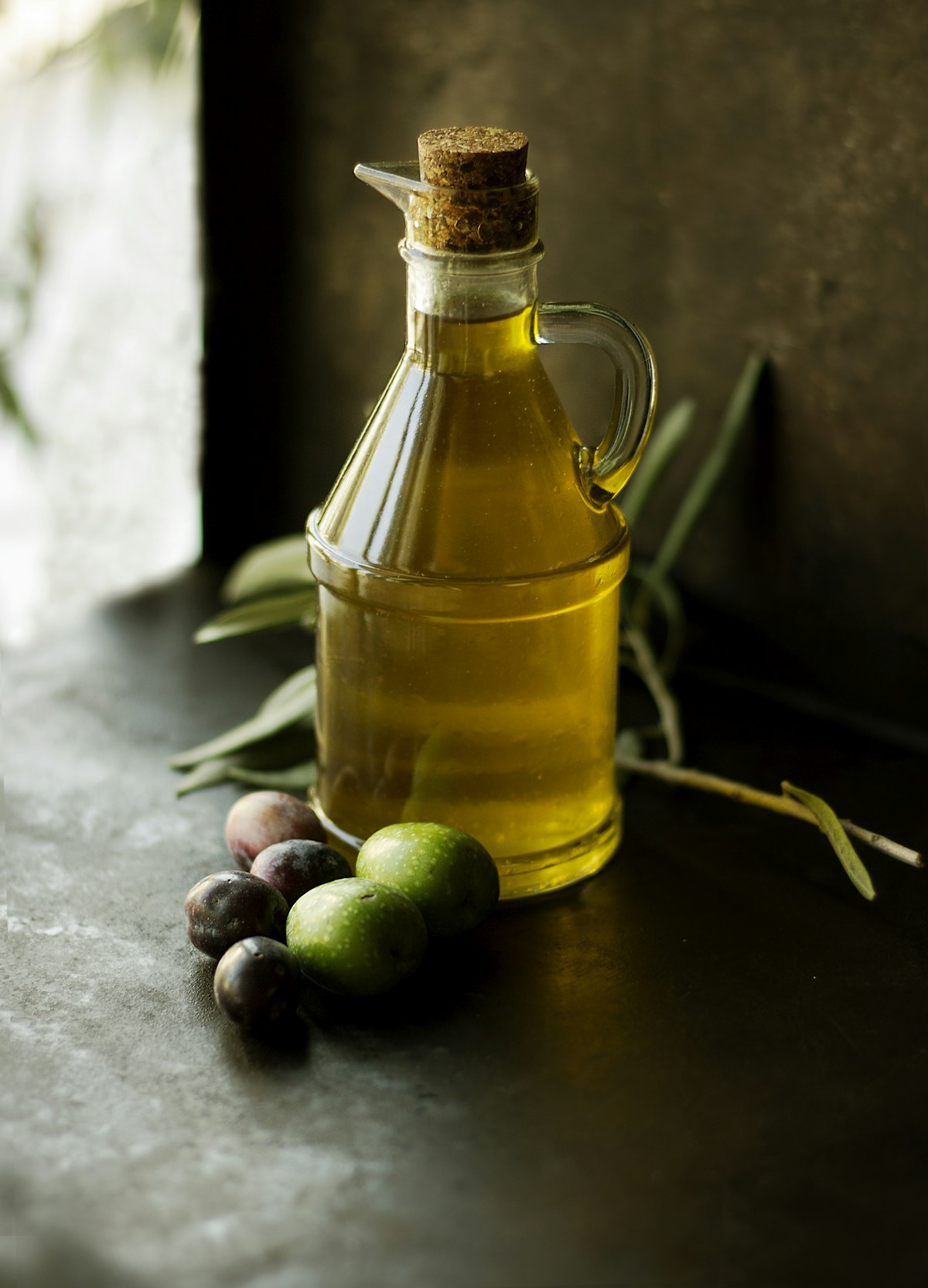
Seed Oils: The Internet's Most Controversial Food Debate
Seed oils are either inflammatory poison or heart-healthy fat, depending on who you ask. The evidence is more nuanced — oxidative instability when heated is real, but linoleic acid doesn't increase inflammation in controlled human studies.

Micronutrient Deficiencies: The Blood Tests You Should Get
Over 30% of Americans have at least one micronutrient deficiency. The key blood tests — vitamin D, iron, B12, magnesium, thyroid, and omega-3 — and what to do when results are low.
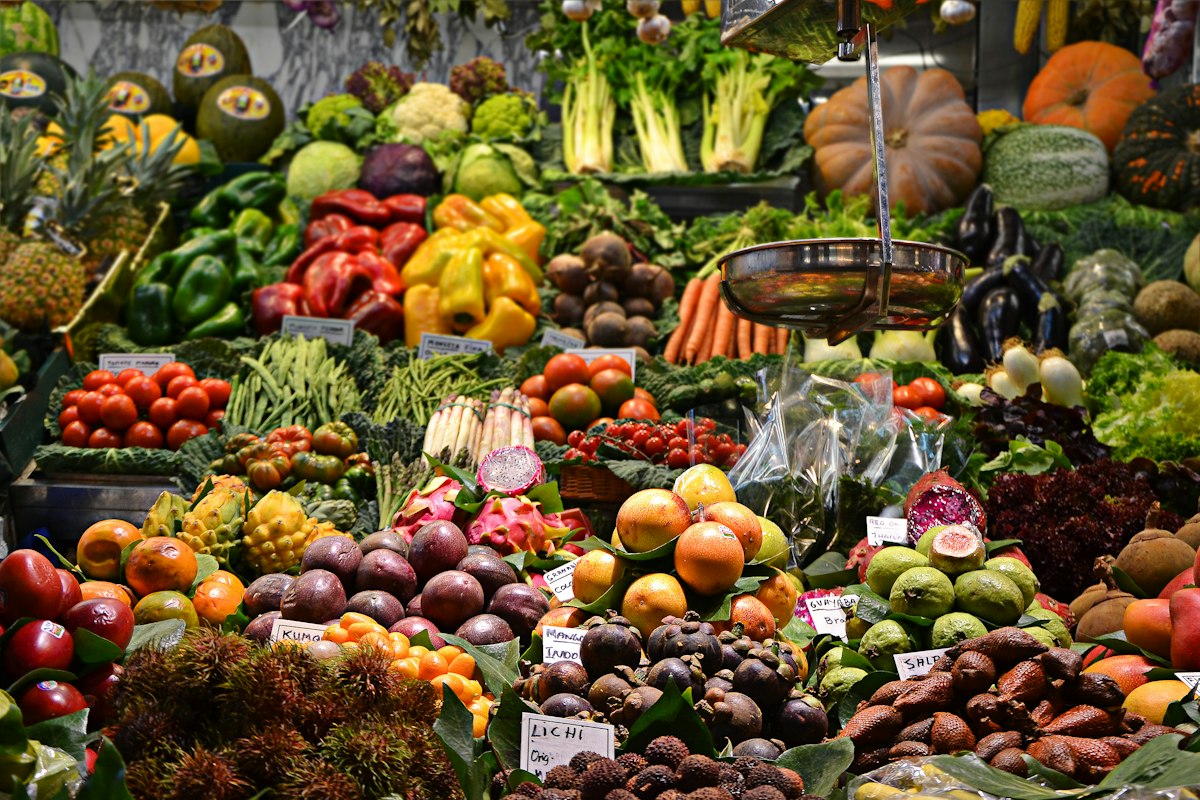
The Dirty Dozen: Organic vs. Conventional Produce Guide
The Dirty Dozen list ranks produce by pesticide residue levels. Here's what the residue data actually means for health, when organic is worth the premium, and why eating more produce always wins.

Intermittent Fasting for Women vs. Men: Key Differences
Intermittent fasting affects men and women differently due to hormonal and metabolic differences. Women need shorter fasting windows, while men can tolerate longer protocols — here's what the research shows.

Sugar: How Much Is Too Much?
Americans consume triple the recommended sugar limit. Here's how excess sugar damages the liver, heart, and metabolism — and evidence-based strategies to reduce intake.

Gut-Brain Axis: How Your Stomach Affects Your Mood
95% of serotonin is produced in the gut, and your microbiome directly influences your mood. Here's the science of the gut-brain axis and what to eat for mental health.
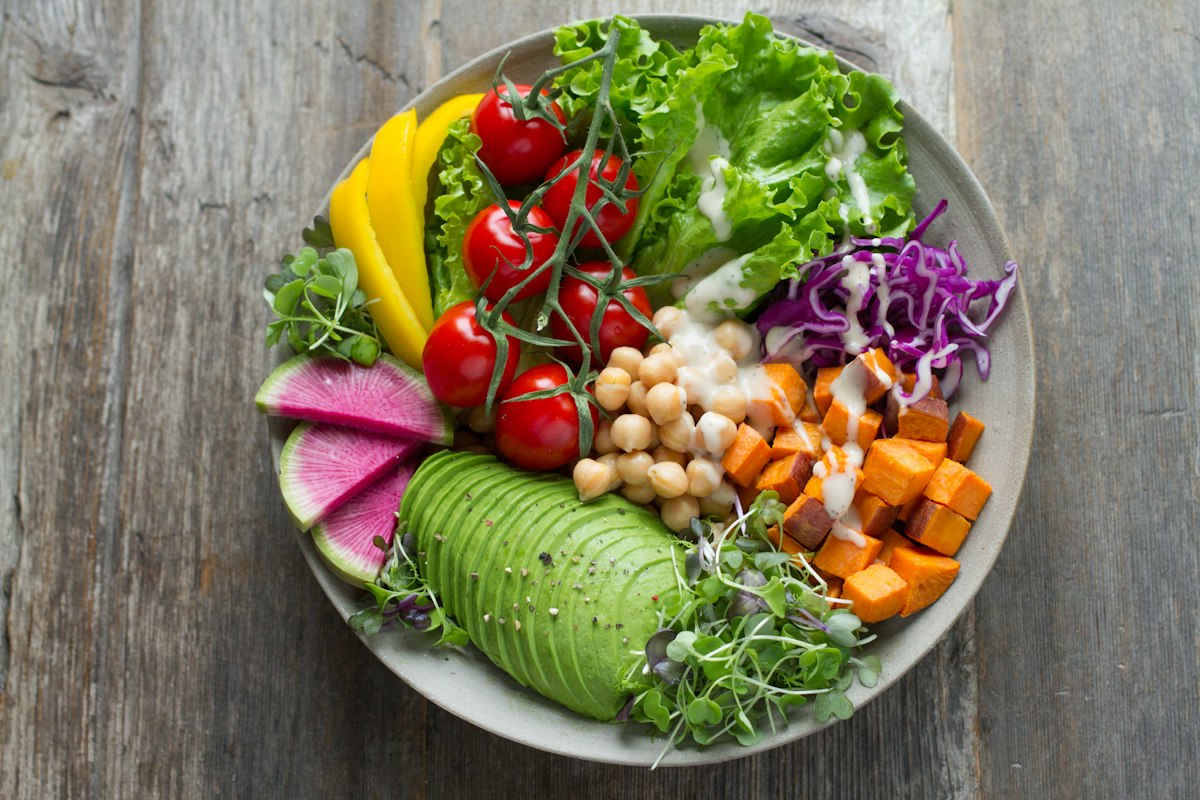
The Plant-Based Athlete: Can You Build Muscle Without Meat?
Research shows plant-based diets can support equal muscle gains when protein is matched. Here's how to optimize amino acids, leucine, and critical nutrients.
Superfoods Debunked: What's Worth Your Money
The 'superfood' label is marketing, not science. A dietitian separates genuine nutritional powerhouses from overpriced hype using randomized controlled trials.
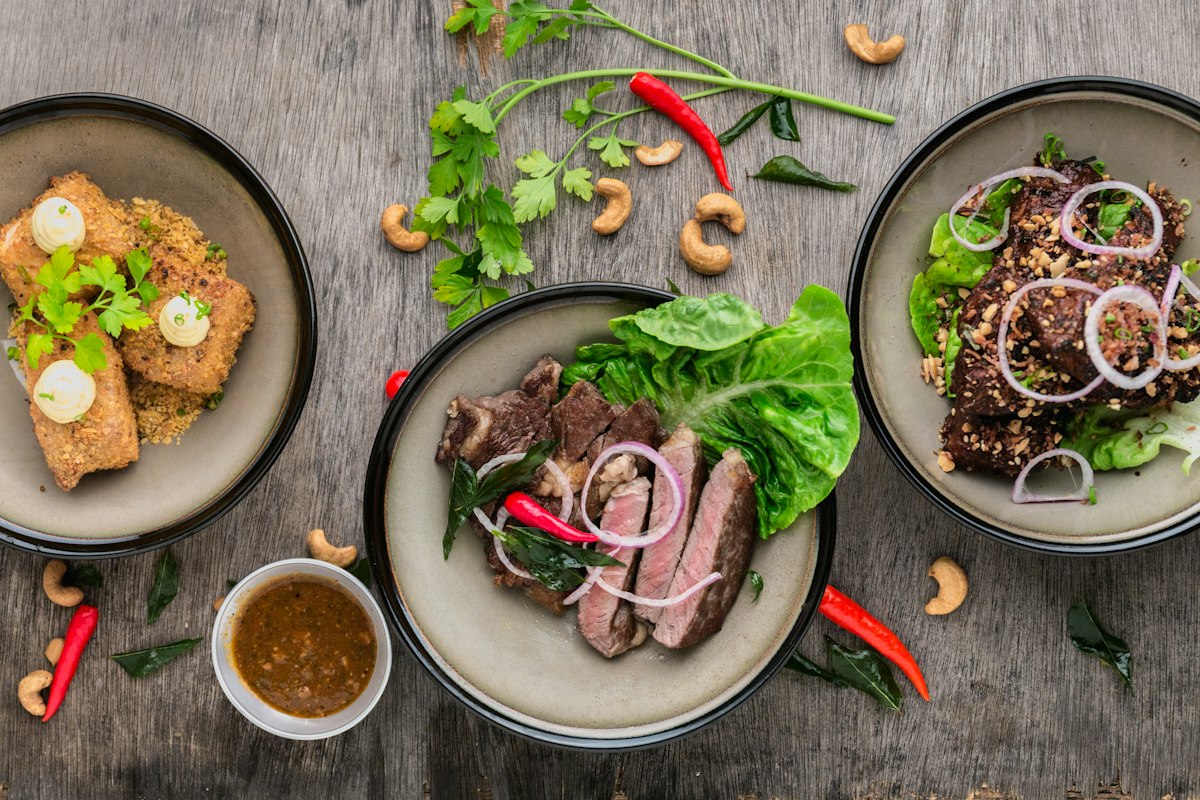
The Carnivore Diet: Fad or Future?
The carnivore diet has zero clinical trials but thousands of compelling anecdotes. A registered dietitian examines the evidence, the risks, and who might actually benefit.
Fiber: The Forgotten Nutrient That Changes Everything
The average American man gets 15 grams of fiber daily — less than half the recommended 38 grams. This shortfall is linked to heart disease, diabetes, cancer, and obesity.

Hydration: How Much Water Do You Really Need?
The '8 glasses a day' rule has no scientific basis. Here's what the research actually says about hydration needs, electrolytes, and how to tell if you're drinking enough.
Keto vs. Paleo: A Nutritionist's Honest Comparison
A registered dietitian breaks down the real science behind keto and paleo — what works, what doesn't, and which diet fits your goals.
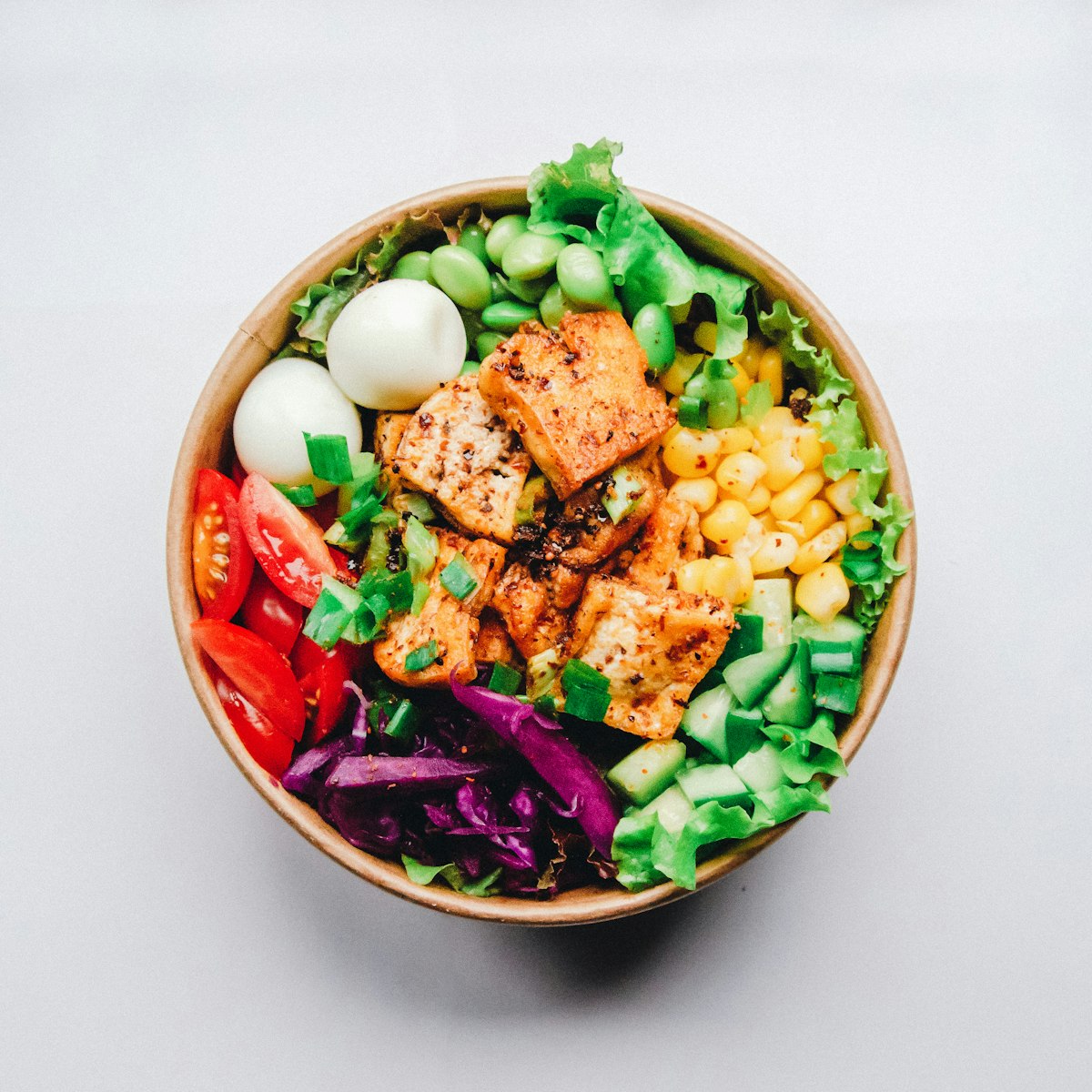
Meal Prep 101: Save Time, Eat Better, Spend Less
Meal prep saves $2,000+ per year and is the single most practical strategy for eating well consistently. Here's your complete beginner's guide.
Anti-Inflammatory Foods That Fight Chronic Disease
Chronic inflammation drives 50% of all deaths worldwide. These foods — backed by research — are your most powerful defense against inflammatory disease.
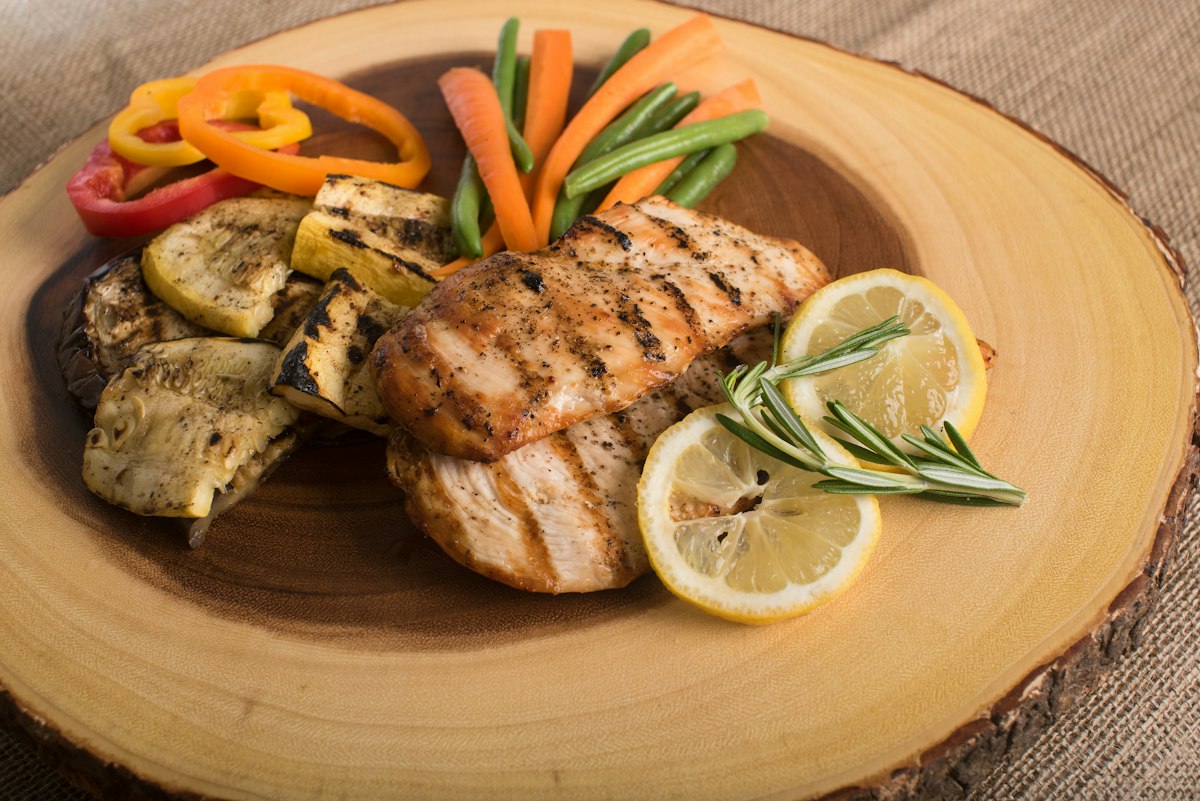
Protein: How Much Do You Really Need Per Day?
Cutting through the confusion on protein intake — what the research says about optimal amounts for muscle building, fat loss, and general health.
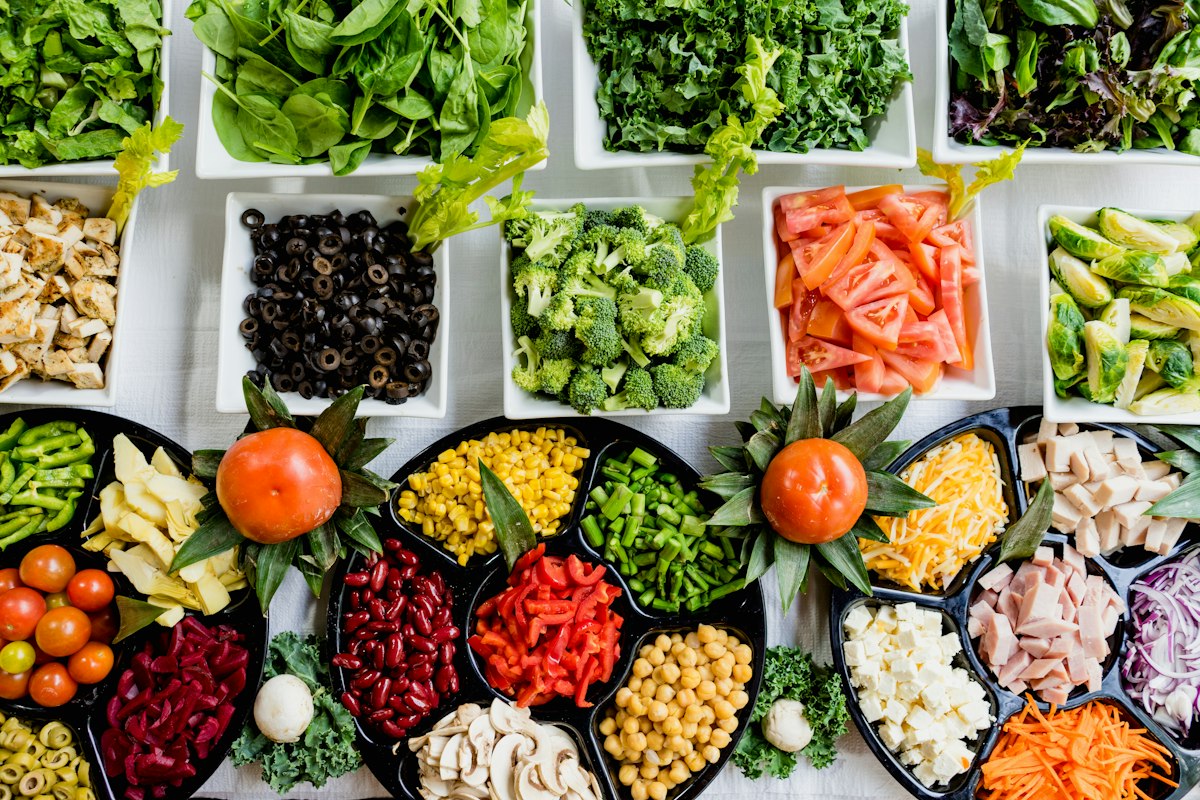
Mediterranean Diet: Why Scientists Call It the World's Healthiest
Decades of research confirm the Mediterranean diet reduces heart disease, cognitive decline, diabetes, and depression. Here's exactly how to follow it.