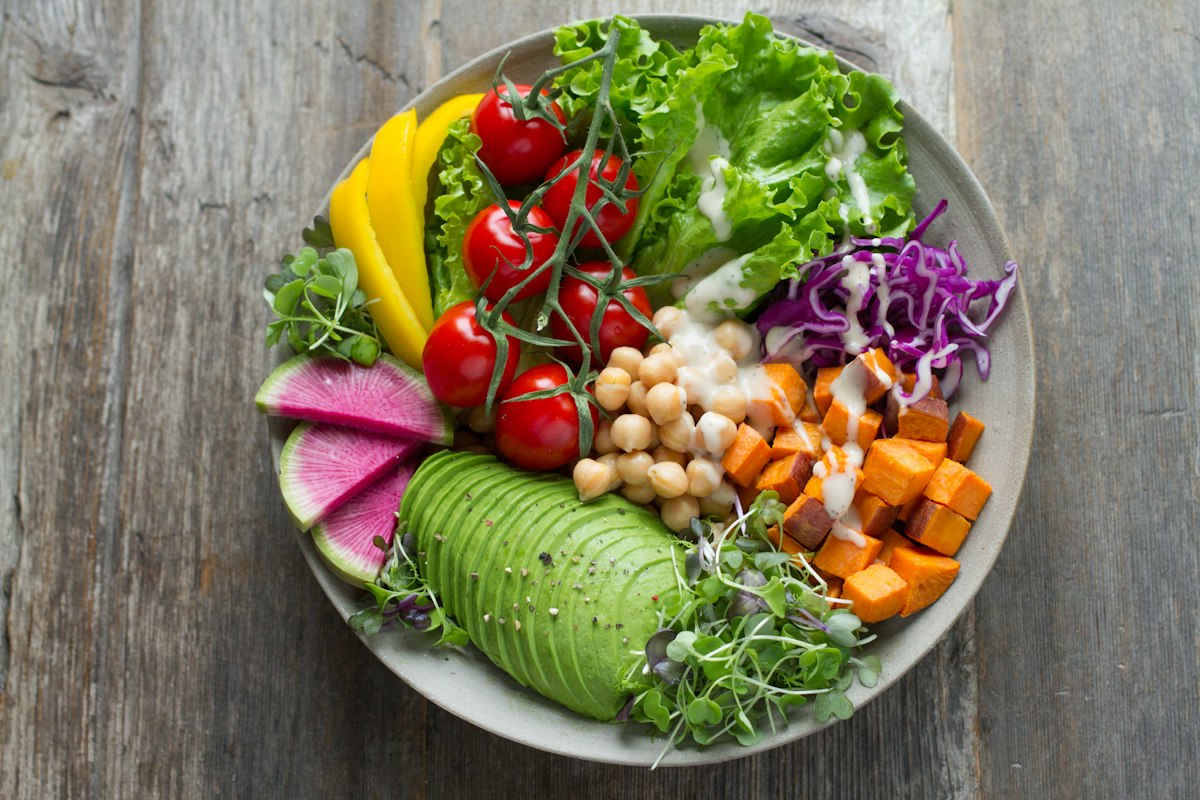
The Nutrient Nobody Gets Enough Of
Ask a room full of men about their protein intake and most can recite their daily grams. Ask about fiber and you'll get blank stares. Yet fiber may be the single most under-consumed nutrient in the Western diet — and the science linking adequate fiber intake to reduced disease and mortality is staggering.
The average American man consumes approximately 15 grams of fiber per day. The recommended intake is 38 grams. That's a 60% shortfall with consequences that ripple through virtually every system in the body.
What Fiber Actually Is
Dietary fiber consists of plant-based carbohydrates that human digestive enzymes cannot break down. Unlike protein, fat, and digestible carbohydrates, fiber passes through the stomach and small intestine largely intact, arriving in the colon where it exerts most of its beneficial effects.
There are two primary categories:
Soluble fiber dissolves in water to form a gel-like substance. It slows digestion, reduces glucose absorption, and binds cholesterol. Found in oats, beans, lentils, apples, citrus fruits, barley, and psyllium husk.
Insoluble fiber doesn't dissolve in water. It adds bulk to stool, accelerates intestinal transit time, and helps prevent constipation. Found in whole wheat, vegetables, nuts, seeds, and the skins of fruits.
Both types are essential, and most whole plant foods contain a mix of both. A third category — resistant starch — functions similarly to soluble fiber and is found in cooled potatoes, green bananas, and legumes. It's increasingly recognized as a potent prebiotic.
The Evidence Is Overwhelming
A 2019 meta-analysis commissioned by the World Health Organization and published in The Lancet analyzed 185 prospective studies and 58 clinical trials involving 4,635 adult participants. The findings were striking:
- 15-30% reduction in all-cause mortality, cardiovascular mortality, coronary heart disease incidence, stroke, and type 2 diabetes for those consuming 25-29 grams of fiber daily compared to low-fiber diets
- Each additional 8 grams of fiber per day was associated with a 5-27% reduction in the same outcomes
- Dose-response curves suggested that higher intakes (30+ grams daily) provided even greater protection
This wasn't a single study making a bold claim. It was a comprehensive synthesis of decades of research involving millions of participants. The authors concluded that dietary fiber is "a clear benefit to human health."
Heart Health
Soluble fiber binds bile acids in the intestine, forcing the liver to use cholesterol from the bloodstream to produce new bile acids — effectively lowering LDL cholesterol. A 2016 meta-analysis in the American Journal of Clinical Nutrition found that each additional 7 grams of fiber per day was associated with a 9% reduction in coronary heart disease risk.
Blood Sugar Control
Viscous soluble fiber slows glucose absorption in the small intestine, reducing post-meal blood sugar spikes. A 2019 systematic review in Advances in Nutrition confirmed that higher fiber intake was consistently associated with lower HbA1c levels and reduced type 2 diabetes risk, with the strongest effects from viscous fibers like beta-glucan (oats) and psyllium.
Weight Management
Fiber promotes satiety through multiple mechanisms: it increases chewing time (slowing eating), creates gastric distension (stretching the stomach to signal fullness), slows gastric emptying, and triggers the release of satiety hormones (GLP-1 and peptide YY). A 2019 meta-analysis in The Journal of Nutrition found that fiber supplementation significantly reduced body weight, BMI, and body fat percentage in overweight and obese adults.
Gut Microbiome
Perhaps the most exciting frontier of fiber research involves its role as a prebiotic — food for the trillions of beneficial bacteria in your colon. When gut bacteria ferment fiber, they produce short-chain fatty acids (SCFAs), particularly butyrate, propionate, and acetate. These SCFAs:
- Serve as the primary fuel source for colonocytes (colon lining cells)
- Reduce intestinal inflammation and permeability ("leaky gut")
- Modulate immune function systemically
- Signal satiety to the brain via the gut-brain axis
- May reduce colorectal cancer risk
A 2018 study in Cell Host & Microbe demonstrated that a low-fiber diet caused the gut microbiome to begin consuming the intestinal mucus layer — the protective barrier between gut bacteria and the intestinal wall. This mucus degradation is a precursor to inflammatory bowel conditions.
Colorectal Cancer Prevention
Colorectal cancer is the third most common cancer in men. A 2011 meta-analysis in the BMJ found that each 10 grams of daily fiber was associated with a 10% reduction in colorectal cancer risk. The proposed mechanism involves butyrate's anti-cancer properties, reduced transit time (less contact between potential carcinogens and the intestinal wall), and beneficial microbiome changes.
How to Actually Hit 38 Grams
Most men struggle to reach adequate fiber intake because they rely on a narrow range of foods. Here's a practical one-day meal plan that hits the target:
Breakfast:
- Oatmeal (1 cup cooked) — 4g fiber
- 1 tablespoon chia seeds — 5g fiber
- 1/2 cup blueberries — 2g fiber
- Subtotal: 11g
Lunch:
- Large salad with mixed greens, chickpeas (1/2 cup = 6g), avocado (1/2 = 5g), and vegetables (3g)
- Whole-grain bread (2 slices) — 4g
- Subtotal: 18g
Dinner:
- Grilled chicken with roasted broccoli (1 cup = 5g) and sweet potato (1 medium = 4g)
- Subtotal: 9g
Daily total: 38g
Key High-Fiber Foods
| Food | Serving | Fiber (grams) |
|---|---|---|
| Black beans | 1 cup cooked | 15 |
| Lentils | 1 cup cooked | 16 |
| Avocado | 1 whole | 10 |
| Chia seeds | 2 tablespoons | 10 |
| Raspberries | 1 cup | 8 |
| Artichoke | 1 medium | 7 |
| Pear | 1 medium | 6 |
| Oats | 1 cup cooked | 4 |
| Almonds | 1 ounce | 4 |
| Broccoli | 1 cup cooked | 5 |
Important Practical Tips
Increase gradually: Jumping from 15 to 38 grams overnight will cause bloating, gas, and gastrointestinal distress. Increase by 5 grams every 3-5 days to allow your gut microbiome to adapt.
Drink more water: Fiber absorbs water. Without adequate hydration, high fiber intake can actually cause constipation. Aim for an additional 16-24 ounces of water for every 10 grams of fiber above your current intake.
Prioritize whole foods over supplements: Fiber supplements (psyllium, methylcellulose) can help bridge gaps, but they lack the polyphenols, vitamins, and diverse fiber structures found in whole foods. Supplements are a complement, not a replacement.
Read labels carefully: "Whole grain" claims on packaging can be misleading. Check the ingredient list — the first ingredient should be a whole grain. Check the Nutrition Facts panel — aim for at least 3 grams of fiber per serving for breads and cereals.
The data on fiber is some of the most consistent and compelling in all of nutritional science. Getting enough of it doesn't require a radical dietary overhaul — it requires deliberately including beans, vegetables, fruits, nuts, and whole grains in the meals you're already eating. The return on investment is extraordinary.
Comments
Sign in to join the conversation
Sign In