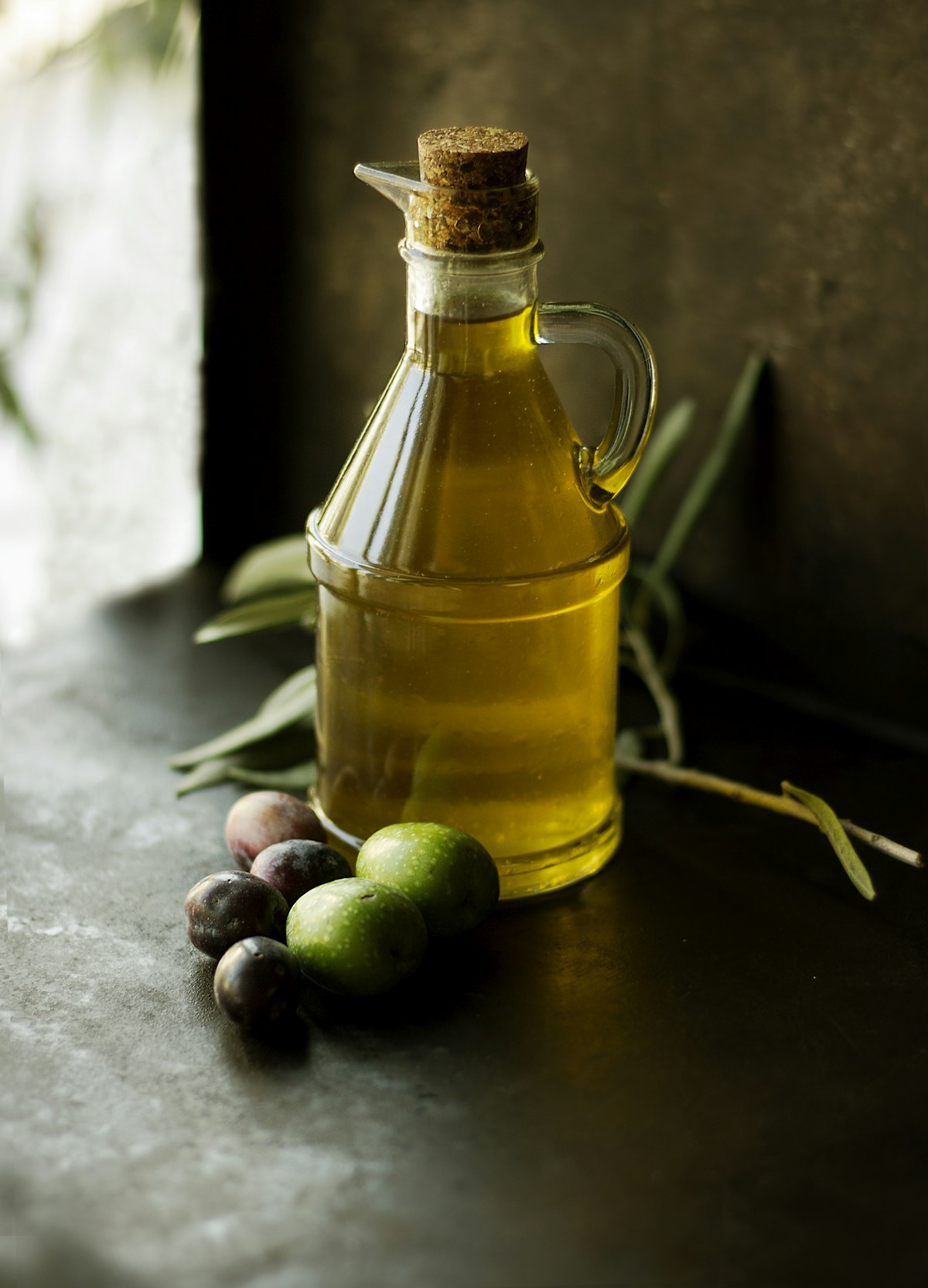
The War on Seed Oils
In online health communities, seed oils — soybean oil, canola oil, corn oil, sunflower oil, cottonseed oil, safflower oil, grapeseed oil, and rice bran oil — have become the dietary villain of the decade. Influencers blame them for obesity, heart disease, diabetes, cancer, inflammation, and essentially every chronic disease of modernity. Restaurants that advertise "no seed oils" are flourishing. "Seed oil free" has become a dietary identity.
On the other side, mainstream nutrition science organizations continue to recommend vegetable oils as heart-healthy alternatives to saturated fat, citing decades of research. The American Heart Association's 2017 advisory explicitly recommended replacing butter and coconut oil with soybean, canola, and other vegetable oils to reduce cardiovascular risk.
Who's right? As with most nutrition controversies, the answer is more nuanced than either camp acknowledges.
What Are Seed Oils?
Seed oils (also called vegetable oils or industrial seed oils) are extracted from the seeds of plants using mechanical pressing and/or chemical solvent extraction (typically hexane). They were largely absent from human diets before the early 20th century — their mass production was enabled by industrial processing technology developed in the 1900s.
The primary characteristic distinguishing seed oils from traditional fats (butter, olive oil, coconut oil, tallow, lard) is their high omega-6 polyunsaturated fatty acid (PUFA) content — specifically linoleic acid (LA):
| Oil | Linoleic Acid (%) |
|---|---|
| Safflower oil | 75% |
| Sunflower oil | 65% |
| Corn oil | 55% |
| Soybean oil | 51% |
| Cottonseed oil | 50% |
| Canola oil | 21% |
| Olive oil | 10% |
| Butter | 2% |
The Anti-Seed-Oil Argument
Omega-6/Omega-3 Ratio
The most common argument against seed oils centers on the omega-6-to-omega-3 fatty acid ratio. Omega-6 fatty acids (primarily linoleic acid) and omega-3 fatty acids (EPA, DHA, ALA) compete for the same enzymatic pathways. The ancestral human diet is estimated to have had an omega-6:omega-3 ratio of 1:1 to 4:1. The modern Western diet, due largely to seed oil consumption, has a ratio of 15-20:1.
A 2002 review in Biomedicine & Pharmacotherapy by Simopoulos argued that this elevated ratio promotes chronic inflammation, as omega-6-derived eicosanoids (prostaglandins, leukotrienes) are generally pro-inflammatory while omega-3-derived eicosanoids are anti-inflammatory.
Linoleic Acid Accumulation
Linoleic acid has accumulated in human adipose tissue over the past century. A 2015 analysis in Nutrients showed that linoleic acid in subcutaneous fat tissue increased from ~6% in the early 1900s to ~22% by 2000 — closely paralleling the increase in seed oil consumption.
A 2018 review in Open Heart by DiNicolantonio and O'Keefe argued that this linoleic acid accumulation makes cell membranes more susceptible to oxidative damage, generates toxic oxidation products (4-hydroxynonenal, malondialdehyde), and promotes inflammation at the cellular level.
Oxidative Instability
Polyunsaturated fats are chemically unstable — their multiple double bonds are vulnerable to oxidation, particularly when heated. A 2016 study in Food Chemistry demonstrated that when seed oils were heated to typical frying temperatures (180°C) for extended periods, they generated significantly more toxic aldehyde compounds than olive oil or coconut oil.
This is the strongest specific argument against seed oils: repeated high-temperature cooking with polyunsaturated oils produces harmful oxidation products. Deep-fried foods cooked in repeatedly recycled seed oils at restaurants are a legitimate health concern.
The Pro-Seed-Oil Evidence
The Clinical Trial Data
The argument for seed oils rests heavily on randomized controlled trials showing that replacing saturated fat with polyunsaturated fat reduces LDL cholesterol and cardiovascular events.
The 2017 American Heart Association Presidential Advisory, published in Circulation, reviewed four "core" clinical trials and concluded that replacing saturated fat with vegetable oils rich in linoleic acid reduced cardiovascular events by approximately 30% — a magnitude comparable to statin therapy.
The Sydney Diet Heart Study (re-analyzed in 2013 by Ramsden et al. in the BMJ) complicated this narrative: it found that replacing saturated fat with linoleic acid from safflower oil actually increased cardiovascular mortality. The re-analysis — controversial and contested — suggested that not all polyunsaturated fat substitution is equivalent.
Linoleic Acid and Inflammation: The Human Evidence
The claim that linoleic acid drives inflammation doesn't hold up well in controlled human studies. A 2012 systematic review in the British Journal of Nutrition examined 15 clinical trials that specifically measured inflammatory markers in response to high-linoleic-acid diets and found no evidence that dietary linoleic acid increased inflammation as measured by CRP, IL-6, TNF-alpha, or other standard biomarkers.
A 2017 meta-analysis in Prostaglandins, Leukotrienes and Essential Fatty Acids confirmed: "Dietary linoleic acid supplementation has no effect on circulating inflammatory markers."
This is a critical disconnect between the theoretical concern (omega-6 fatty acids are "pro-inflammatory") and the actual clinical data (increasing linoleic acid intake doesn't measurably increase inflammation in humans). The reason may be that the conversion of linoleic acid to pro-inflammatory arachidonic acid is tightly regulated, with less than 1% of dietary LA converting to arachidonic acid.
Population-Level Evidence
Countries with high vegetable oil consumption (Japan, South Korea) do not show elevated rates of inflammatory or chronic diseases. A 2020 analysis in BMJ found that higher linoleic acid levels in blood (a biomarker of intake) were associated with lower risk of cardiovascular disease, type 2 diabetes, and total mortality across 30 prospective studies.
Where Both Sides Get It Wrong
The Anti-Seed-Oil Movement
The internet narrative conflates three distinct issues:
Industrial processing: Some seed oil processing does involve chemicals and high temperatures that may degrade oil quality. This is a legitimate concern about food processing, not about the fatty acids themselves.
High-heat cooking: Using polyunsaturated oils for deep-frying and high-temperature cooking does generate harmful oxidation products. This is a cooking practice concern, not a reason to avoid the oils in salad dressings or low-temperature cooking.
The omega-6/omega-3 ratio: The ratio matters, but the solution is to increase omega-3 intake (eat more fatty fish, supplement EPA/DHA), not necessarily to eliminate omega-6. The ratio is high because omega-3 intake is low, not only because omega-6 intake is high.
The Pro-Seed-Oil Establishment
Mainstream nutrition advice sometimes fails to acknowledge that:
- The quality of seed oils varies enormously — cold-pressed, minimally processed canola oil is different from hexane-extracted, repeatedly heated soybean oil in a restaurant fryer
- Ultra-processed foods (which account for 60% of calories in the American diet) are often formulated with seed oils, and it's difficult to separate the health effects of the oils from the health effects of the ultra-processed food matrix
- The clinical trial data supporting saturated-to-polyunsaturated fat substitution was conducted decades ago, often with whole-food interventions, and may not apply to modern ultra-processed contexts
A Balanced Approach
Use olive oil as your primary cooking and dressing fat. The evidence for olive oil's health benefits is unmatched across fat categories — a 2022 study in the Journal of the American College of Cardiology found that consuming more than 7g/day of olive oil reduced cardiovascular mortality by 19%.
Don't fear seed oils in moderation, particularly in cold applications (salad dressings, sauces). The inflammatory doomsday narrative isn't supported by human clinical evidence.
Avoid deep-frying with seed oils or reusing cooking oil. If you fry, use more saturated or monounsaturated fats (avocado oil, refined coconut oil) that are more oxidatively stable at high temperatures.
Increase omega-3 intake rather than obsessing over omega-6 elimination. Two servings of fatty fish per week or 2-3g/day of EPA/DHA supplementation addresses the ratio concern far more effectively than avoiding soybean oil.
Reduce ultra-processed food consumption overall. This is where the vast majority of seed oil intake occurs, and the health effects of ultra-processed foods are well-documented and negative — likely due to the combination of refined carbohydrates, additives, and hyper-palatability rather than seed oils per se.
The seed oil debate reveals something common in nutrition: when a component of bad diets (ultra-processed food) is identified, reductive thinking attributes all the harm to a single ingredient rather than the dietary pattern as a whole. The truth is both more boring and more useful: eat mostly whole foods, prioritize olive oil, get your omega-3s, and stop worrying about the trace amounts of canola oil in your otherwise-excellent salad dressing.
Comments
Sign in to join the conversation
Sign In