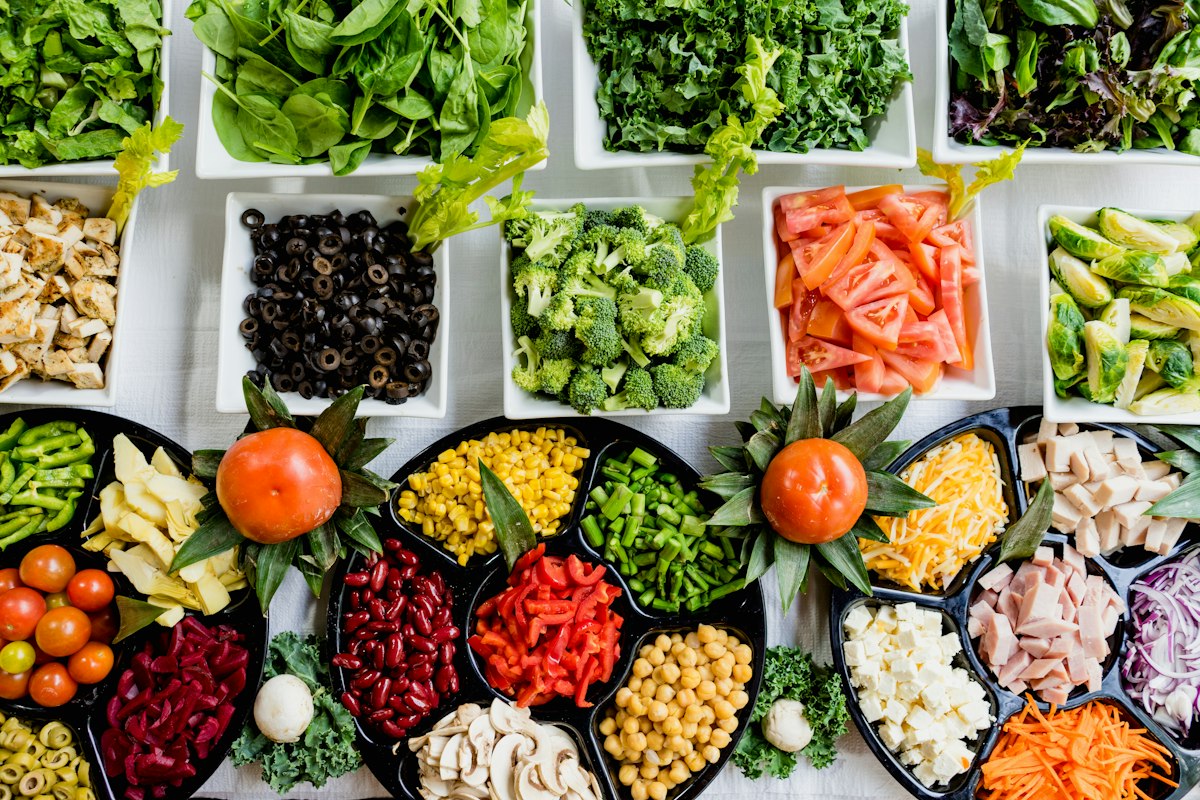
A Diet Born From Centuries of Tradition
The Mediterranean diet isn't a modern invention dreamed up by a wellness influencer. It's a dietary pattern rooted in the traditional eating habits of people living in Greece, Southern Italy, and Spain during the 1960s — populations that researchers noticed had remarkably low rates of heart disease and exceptional longevity.
Since then, the Mediterranean diet has become the single most studied dietary pattern in nutritional science, and the evidence is overwhelming.
What the Research Actually Shows
The PREDIMED trial, one of the largest and most rigorous dietary intervention studies ever conducted, followed over 7,400 participants at high cardiovascular risk for nearly five years. Published in the New England Journal of Medicine (2013, corrected 2018), the study found that participants following a Mediterranean diet supplemented with extra-virgin olive oil or nuts had a 30% lower risk of major cardiovascular events compared to the control group.
But heart health is just the beginning:
- Cognitive decline: A 2016 study in Frontiers in Nutrition found that strict adherence to the Mediterranean diet was associated with a 33% lower risk of developing Alzheimer's disease.
- Type 2 diabetes: A meta-analysis in Diabetologia (2014) showed a 23% reduced risk of developing type 2 diabetes among Mediterranean diet adherents.
- Cancer: The EPIC-Italy cohort study linked Mediterranean diet adherence to lower risks of colorectal, breast, and stomach cancers.
- Depression: The SMILES trial (2017) demonstrated that dietary counseling based on Mediterranean principles significantly improved symptoms in people with moderate-to-severe depression.
The Core Principles
The Mediterranean diet isn't about counting macros or eliminating food groups. It's built on a framework of abundance:
Eat Daily
- Extra-virgin olive oil — the cornerstone fat source (2-4 tablespoons daily)
- Vegetables — at least 2-3 servings at every meal
- Fruits — 1-2 servings daily, especially seasonal varieties
- Whole grains — bread, pasta, couscous, and brown rice
- Nuts and seeds — a small handful daily (about 1 ounce)
- Herbs and spices — replace salt with oregano, basil, turmeric, garlic
Eat 2-3 Times Per Week
- Fish and seafood — especially fatty fish like salmon, sardines, and mackerel
- Legumes — lentils, chickpeas, and beans as protein sources
- Eggs — up to 4 per week
Eat in Moderation
- Poultry — chicken and turkey
- Dairy — mostly fermented forms like yogurt and cheese
Eat Rarely
- Red meat — limited to a few times per month
- Processed foods — minimized or eliminated
- Added sugars — desserts reserved for special occasions
Why Olive Oil Is the Star
Extra-virgin olive oil (EVOO) deserves its own section. It's the primary fat source in the Mediterranean diet and one of the most health-promoting foods ever studied.
EVOO is rich in oleocanthal, a polyphenol with anti-inflammatory properties comparable to ibuprofen. It also contains hydroxytyrosol, one of the most potent antioxidants found in food. A 2022 study in the Journal of the American College of Cardiology found that consuming more than half a tablespoon of olive oil daily was associated with a 19% lower risk of cardiovascular mortality and a 17% lower risk of cancer mortality.
When shopping, look for olive oil in dark glass bottles with a harvest date. "Cold-pressed" and "extra-virgin" designations ensure the oil retains its beneficial polyphenols.
A Practical One-Day Meal Plan
Breakfast: Greek yogurt with walnuts, honey, and fresh berries. A drizzle of olive oil on whole-grain toast with sliced tomatoes.
Lunch: Large salad with mixed greens, chickpeas, cucumbers, red onion, feta cheese, and a lemon-olive oil dressing. Whole-grain pita on the side.
Snack: A small handful of almonds and an apple.
Dinner: Grilled salmon with roasted vegetables (zucchini, bell peppers, eggplant) drizzled with EVOO. A side of farro or quinoa. A glass of red wine if desired.
Beyond Food: The Lifestyle Component
What many Western adaptations miss is that the Mediterranean diet is also a lifestyle pattern. Traditional Mediterranean cultures emphasize:
- Shared meals — eating with family and friends, not alone at a desk
- Physical activity — walking, gardening, and manual labor are woven into daily life
- Rest and leisure — the midday rest and evening socialization are cultural norms
- Moderate wine consumption — typically red wine, with meals, in social settings
These social and behavioral factors likely contribute to the diet's observed health benefits in ways that isolated nutrient analysis can't capture.
Getting Started
You don't need to overhaul your entire kitchen overnight. Start with three changes this week:
- Switch your cooking fat to extra-virgin olive oil
- Add one extra serving of vegetables to lunch and dinner
- Replace one red meat meal with fish or legumes
The Mediterranean diet succeeds because it doesn't feel like a diet. It's flavorful, satisfying, and sustainable — which is exactly why it keeps outperforming every trendy eating plan in head-to-head research.
Comments
Sign in to join the conversation
Sign In