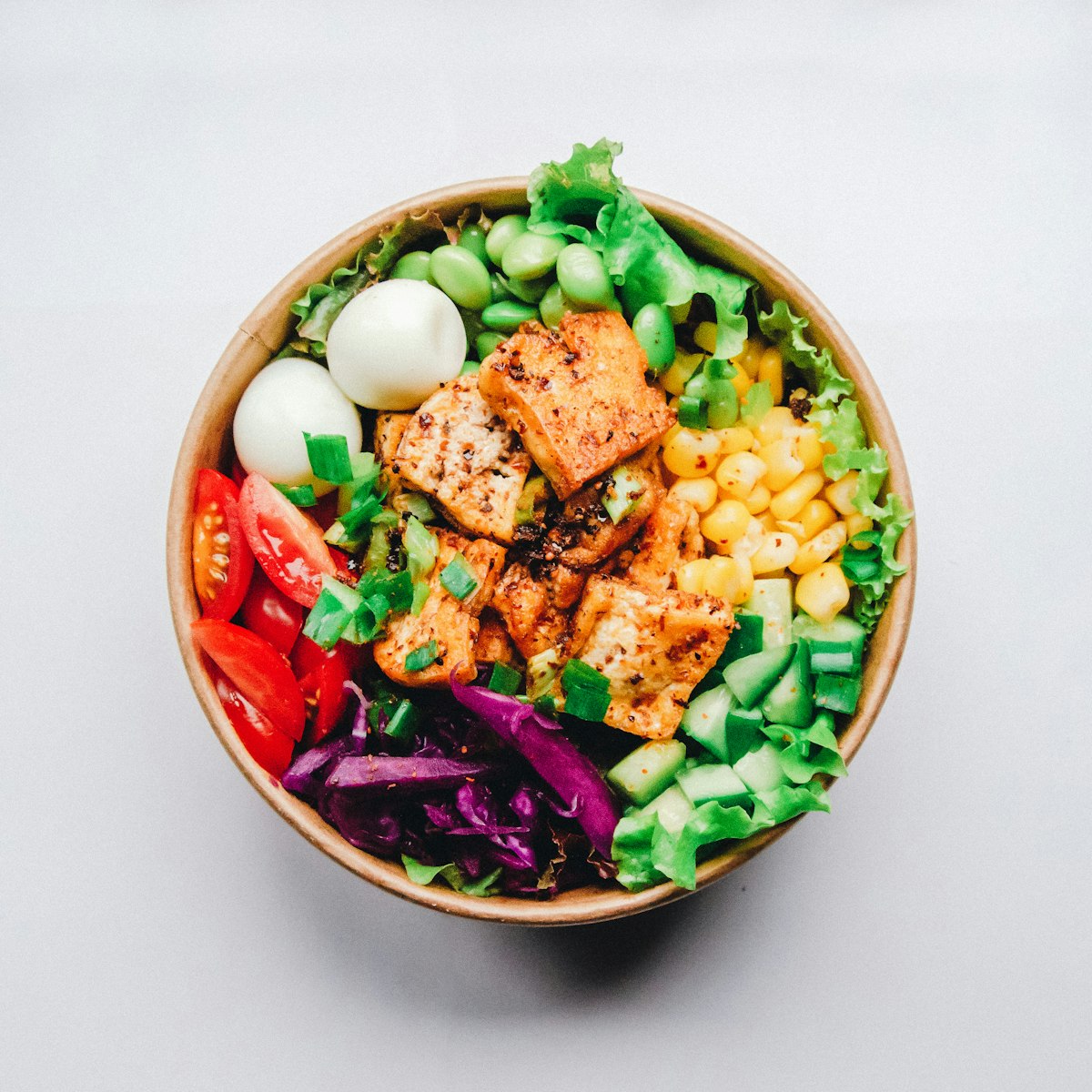
The Strategy That Makes Healthy Eating Automatic
The number one reason people give for not eating well isn't lack of knowledge — it's lack of time. When you're exhausted after a long day, the path of least resistance is takeout, delivery, or whatever's fastest. Meal prep eliminates this decision fatigue entirely.
By dedicating 2-3 hours on a single day to preparing your meals for the week, you transform healthy eating from a daily battle of willpower into a simple logistics exercise: open container, heat, eat.
Research supports this approach. A 2017 study in the International Journal of Behavioral Nutrition and Physical Activity found that people who spent more time on food preparation at home consumed significantly more fruits, vegetables, and home-cooked meals — and had better overall diet quality, lower BMI, and reduced risk of obesity.
The Financial Case
The average American spends over $3,500 per year on restaurant meals and takeout. A meal-prepped lunch costs $3-5 per serving; a comparable restaurant lunch runs $12-18. That's a potential savings of $2,000-4,000 annually.
Beyond direct costs, meal prep reduces food waste — one of the largest household expenses. When you buy ingredients with a specific plan, very little goes unused. The USDA estimates that the average American family of four wastes $1,500 worth of food annually.
The Beginner's Framework
Choose Your Prep Day
Sunday is most popular, but any day works. Some people prefer a split prep: cook proteins and grains on Sunday, prep vegetables on Wednesday. Find what fits your schedule.
Start With Just Lunches
Don't try to prep every meal immediately. Start by preparing five weekday lunches. Once that becomes routine (usually 2-3 weeks), expand to include breakfasts or dinners.
The Formula
Every meal prep container should follow this template:
- Protein (4-6 oz): Chicken breast, ground turkey, salmon, shrimp, tofu, eggs
- Complex carbohydrate (½-1 cup): Rice, sweet potato, quinoa, whole-wheat pasta
- Vegetables (1-2 cups): Roasted broccoli, sautéed spinach, steamed green beans, raw bell peppers
- Healthy fat (1-2 tbsp): Olive oil, avocado, nuts, seeds, dressing
- Flavor: Spices, sauces, herbs, citrus
This formula ensures balanced macronutrients, adequate fiber, and enough variety to prevent monotony.
Five Beginner-Friendly Meal Prep Recipes
1. Chicken Burrito Bowls
Prep time: 45 minutes | Servings: 5
- 2 lbs chicken breast, seasoned with cumin, chili powder, garlic, salt, pepper
- 2 cups brown rice, cooked
- 2 cans black beans, drained and rinsed
- 2 cups corn (frozen, thawed)
- Pico de gallo, shredded cheese, lime wedges
Method: Bake chicken at 400°F for 22-25 minutes. Slice and divide among containers with rice, beans, and corn. Add fresh toppings day-of.
2. Turkey Meatballs With Roasted Vegetables
Prep time: 50 minutes | Servings: 5
- 2 lbs ground turkey mixed with egg, breadcrumbs, Italian seasoning, garlic
- 3 cups mixed vegetables (zucchini, bell peppers, onions), cubed
- Marinara sauce
- 2 cups whole-wheat penne
Method: Form meatballs, bake at 400°F for 20 minutes. Toss vegetables with olive oil, roast alongside. Cook pasta. Assemble with sauce.
3. Salmon and Sweet Potato
Prep time: 35 minutes | Servings: 4
- 4 salmon fillets (6 oz each), seasoned with lemon pepper
- 3 large sweet potatoes, cubed
- 4 cups broccoli florets
- Olive oil, salt, pepper
Method: Roast sweet potatoes at 425°F for 15 minutes, add broccoli and salmon, continue for 12-15 minutes. Simple, minimal dishes.
4. Asian Beef and Broccoli Bowls
Prep time: 40 minutes | Servings: 5
- 2 lbs flank steak, sliced thin against the grain
- Sauce: soy sauce, sesame oil, garlic, ginger, honey, cornstarch
- 4 cups broccoli florets
- 3 cups jasmine rice
Method: Stir-fry beef in hot pan 2-3 minutes, add broccoli and sauce, cook until thickened. Serve over rice.
5. Greek Chicken Bowls
Prep time: 45 minutes | Servings: 5
- 2 lbs chicken thighs, marinated in lemon, olive oil, oregano, garlic
- 1 cup hummus
- Cucumbers, cherry tomatoes, red onion, Kalamata olives
- 2 cups farro or couscous
Method: Grill or bake chicken. Prepare grains. Chop vegetables. Assemble with hummus and feta.
Meal Prep Best Practices
Batch Cooking Proteins
Cook 3-4 pounds of protein at once. Methods that scale well:
- Sheet pan baking: Season and bake chicken breast, salmon, or turkey meatballs at 400°F
- Slow cooker: Pulled chicken, shredded beef, or chili — set it and forget it
- Instant Pot: Cook frozen chicken breasts in 15 minutes, rice in 4 minutes, hard-boiled eggs in 5 minutes
- Grill: Multiple proteins simultaneously with minimal cleanup
Cooking Grains in Bulk
Rice, quinoa, and farro all reheat beautifully. Cook a large batch, divide into portions, and refrigerate. Add a splash of water before reheating to restore moisture.
Vegetable Prep Strategies
- Roast: Broccoli, Brussels sprouts, sweet potatoes, cauliflower (425°F, 20-25 minutes)
- Steam: Green beans, asparagus, spinach (keeps for 4-5 days)
- Raw: Bell peppers, cucumbers, carrots — prep these on Day 1 and Day 4 for maximum freshness
- Spiralize: Zucchini noodles as a low-carb base — prep but cook day-of to avoid sogginess
Storage and Food Safety
- Refrigerated meals last 4-5 days. Prep for Monday-Friday; anything beyond Thursday is better frozen.
- Frozen meals last 2-3 months. If prepping further ahead, freeze in portion containers and thaw overnight in the fridge.
- Cool food before containerizing — putting hot food in sealed containers creates condensation and accelerates spoilage.
- Invest in quality containers: Glass containers (Pyrex, Rubbermaid Brilliance) don't absorb odors, stain, or leach chemicals when microwaved. Dishwasher-safe is non-negotiable.
Keeping It Interesting
Meal prep monotony is the number one reason people quit. Combat it with:
The Rotation System
Prep 2-3 different meals per week and alternate between them. You never eat the same thing more than twice consecutively.
Sauce and Seasoning Variety
The same chicken breast becomes five different meals with different sauces: teriyaki, chimichurri, buffalo, pesto, and tikka masala. Keep a rotating sauce collection.
Theme Days
- Monday: Mediterranean
- Tuesday: Mexican
- Wednesday: Asian
- Thursday: American classic
- Friday: Choose your favorite from the week
Prep Components, Not Complete Meals
Instead of assembling identical containers, prep individual components — grains, proteins, sauces, and vegetables — and mix and match throughout the week. This maximizes variety while maintaining prep efficiency.
The Macro-Aware Approach
For those tracking macronutrients, meal prep is transformative. When you cook and portion everything yourself, you know exactly what's in each meal — no guessing, no estimation error, no hidden ingredients.
A typical macro-balanced prep container for someone building muscle:
- 6 oz chicken breast: ~42g protein, 0g carbs, 3g fat
- 1 cup brown rice: ~5g protein, 45g carbs, 2g fat
- 1 cup roasted broccoli: ~3g protein, 6g carbs, 0g fat
- 1 tbsp olive oil: 0g protein, 0g carbs, 14g fat
Total: ~50g protein, 51g carbs, 19g fat, ~575 calories
Scale portions up or down based on your targets. The precision is effortless once the initial prep is done.
Getting Started This Weekend
- Pick three recipes from above (or your own favorites)
- Write a grocery list and shop on Saturday
- Block 2-3 hours on Sunday afternoon
- Cook all proteins first, then grains, then vegetables
- Portion into containers while listening to a podcast or music
- Label containers with the meal name and date
- Stack in the fridge — ready for the week
Meal prep isn't glamorous. It won't go viral on social media. But it's the practical backbone of every successful nutrition plan — the bridge between knowing what to eat and actually eating it, day after day, week after week.
Comments
Sign in to join the conversation
Sign In