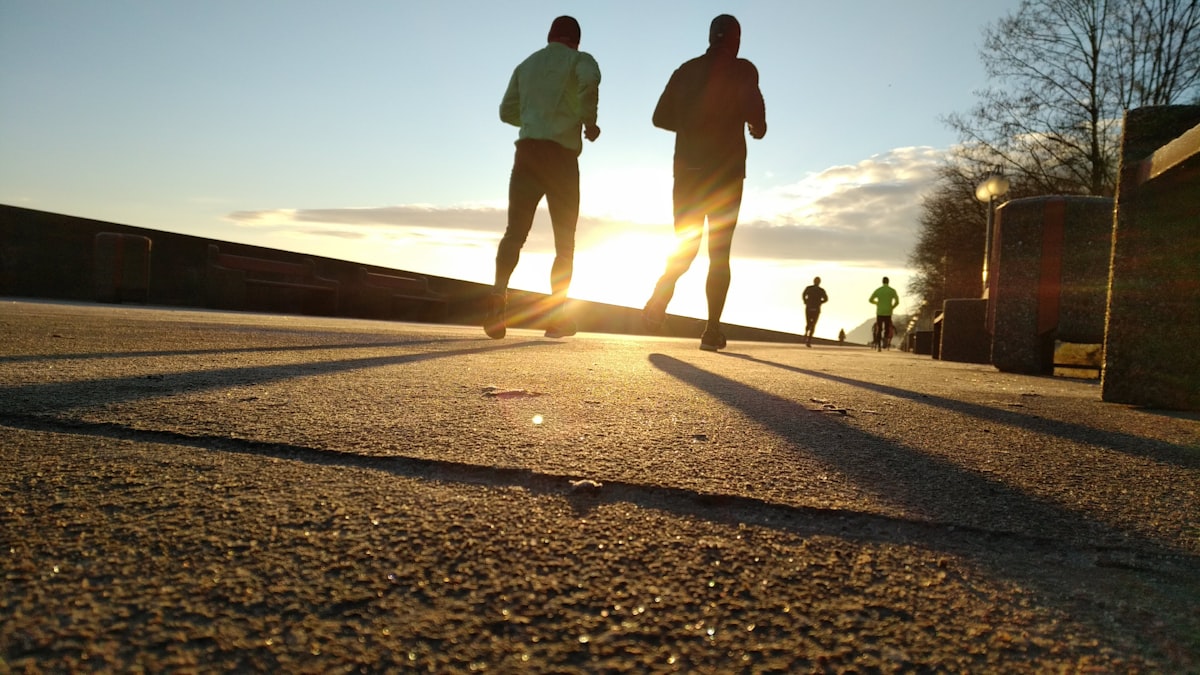
Every fall, the same thing happens to runners everywhere: the first genuinely cool morning hits, and suddenly a pace that felt like a grind in August feels almost easy. It's tempting to read that as fitness suddenly clicking into place, but mostly it's physics and physiology doing their thing. Cooler weather changes how running actually feels and functions in ways that are worth understanding, so you can train smart instead of just being pleasantly surprised.
Why the Same Pace Feels Easier
When you run, your body has two jobs happening at once: moving you forward and getting rid of the heat that movement generates. In hot weather, a big chunk of your cardiovascular effort goes toward cooling — pumping blood to the skin, sweating, all of it — which competes with the blood flow your muscles want for actual work. Your heart rate at a given pace tends to run higher in heat simply because it's doing double duty.
Drop the temperature, and that cooling burden shrinks dramatically. Less blood needs to be diverted to your skin, so more of your cardiac output can go toward working muscles. The practical result is that the same pace produces a lower heart rate, and the same heart rate allows a faster pace. This is a real physiological shift, not just a mental one — though the mental relief of not overheating plays a role too. It's worth remembering this is a temperature effect, not necessarily new fitness, especially if you're comparing a heart-rate-based effort level month to month.
Hydration Needs Shift, They Don't Vanish
One of the easiest mistakes in cooler weather is assuming hydration stops mattering because you're not drenched in sweat. You're still losing fluid — through sweat, though less of it, and through simple respiration, which actually increases somewhat in cold, dry air. The thirst signal itself also tends to be less reliable in cooler temperatures, so people often under-drink relative to what they're actually losing, especially on longer runs.
The practical fix is simple: keep drinking on a schedule rather than waiting to feel thirsty, especially for runs over 45 minutes to an hour. You likely won't need the same volume you did during peak summer heat, but "less" is not "none." Pay attention to urine color and overall energy as rough indicators, and don't let cooler air talk you out of a water bottle on a longer effort.
Your Warm-Up Needs More Time, Not Less
Muscles, tendons, and joints are simply less pliable when they're cold, and cooler ambient temperatures mean it takes longer for your body to reach a comfortable working temperature. A warm-up that felt sufficient in summer — a few minutes of easy jogging — may not be enough once the mercury drops. Give yourself a longer runway: more time at an easy pace before you pick things up, and consider adding dynamic movements like leg swings or high knees to get blood into the muscles you're about to ask a lot from.
This matters more the colder it gets and more for anyone doing speed work or hard efforts, where jumping into intensity on cold tissue raises the risk of a strain. A gentle rule of thumb: if it's noticeably colder than what you've been training in, add five extra minutes to your warm-up routine.
Dress for the Run You're About to Do, Not the Weather You're Standing In
A common cooler-weather mistake is dressing for how it feels standing at the front door rather than how it will feel ten minutes into the run once your body is generating its own heat. A reasonable general approach is to dress as if it's about 10-15 degrees warmer than the actual temperature — layers you can peel off or vent as you warm up work better than one heavy layer that traps too much heat once you're moving.
Extremities are worth separate attention. Hands and ears lose heat fast and don't generate their own warmth the way working leg muscles do, so a light hat and gloves are often worth carrying even on runs that don't feel that cold at the start.
Daylight and Footing Deserve Real Attention
As summer gives way to fall, daylight hours shrink noticeably, which often pushes runs earlier or later into lower-light conditions. This is less about physiology and more about plain visibility and safety — drivers may not see you as easily, and you may not see uneven pavement, curbs, or debris as clearly. Reflective or high-visibility gear and a headlamp for genuinely dark conditions are worth having on hand well before you actually need them, rather than scrambling for options on the first dark morning.
Footing itself can also change with the season — wet leaves, morning dew, and the first frosty mornings all reduce traction in ways that dry summer pavement doesn't. Shortening your stride slightly and staying a bit more attentive to the surface under your feet on these mornings is a small adjustment that prevents an unnecessary slip.
Putting It Together
None of these changes require overhauling your training. Cooler weather is, on balance, a gift for most runners — easier effort at the same pace, less heat stress, generally more pleasant conditions. The adjustments are mostly about not overcorrecting: keep drinking, warm up a little longer, dress for the middle of the run rather than the start, and stay visible as the days get shorter. Handle those basics and the season shift works entirely in your favor.
Comments
Sign in to join the conversation
Sign In