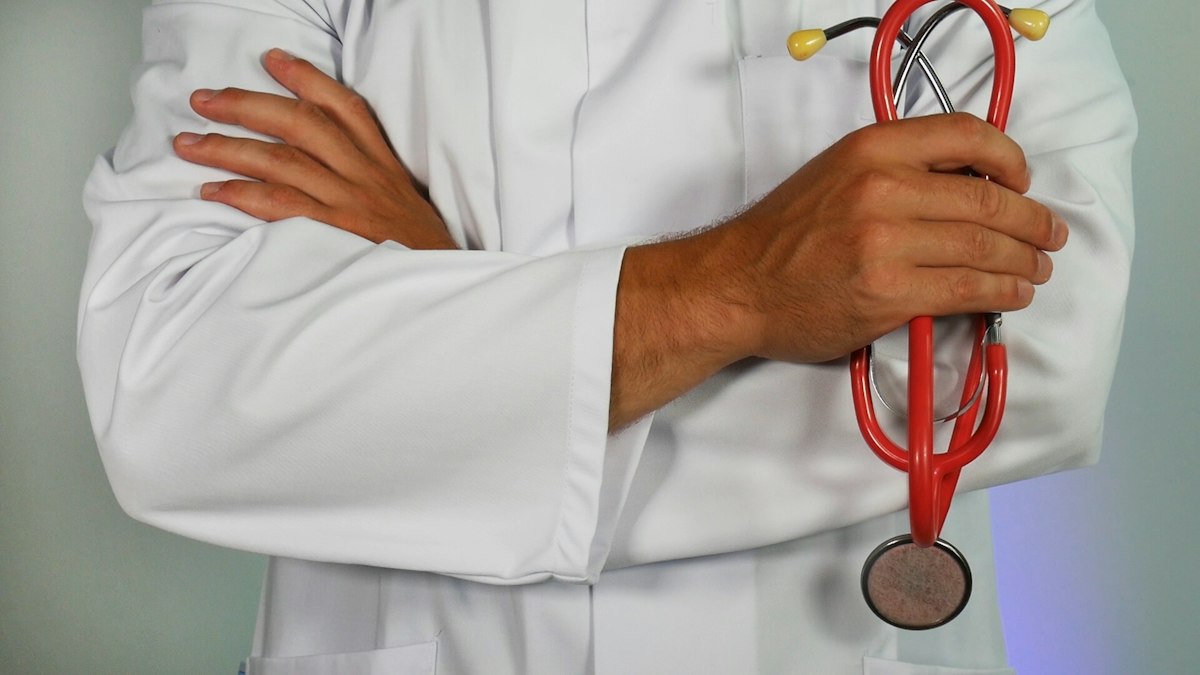
There's a small window every year, somewhere between the last humid days of summer and the first genuinely cold morning, when it's still easy to get a doctor's appointment, a dental cleaning, or an eye exam without waiting weeks. That window is closing right about now. Once cold and flu season kicks into gear, waiting rooms fill up, schedules get tight, and the routine stuff you meant to take care of tends to get pushed to "after the holidays" — which usually means next spring.
Getting a handful of preventive care items handled now, while things are calm, is one of the simplest ways to head into winter feeling more in control of your health rather than reacting to it. None of this requires urgency or worry. It's just good timing.
Start With a Routine Checkup
If it's been a year or more since you've seen your primary care provider, early fall is a good time to book that visit. A routine checkup is a chance to talk through anything that's changed since your last visit — sleep, energy, stress, any new aches or symptoms — and to get baseline numbers like blood pressure and weight recorded so you and your doctor have something to compare against later.
This is also the right moment to review any prescriptions you're taking. Medications, dosages, and even generic formulations can change over time, and it's easy to lose track of why you started something or whether it's still the right fit. Bring your full medication list — including anything over-the-counter or supplements you take regularly — and ask your doctor to walk through it with you. Are you still taking something for a condition that's resolved? Is there a redundant supplement doing the same job as something else in your routine? A yearly review catches these things before they pile up.
Don't Skip the Dentist and the Eye Doctor
Dental cleanings and eye exams tend to be the first things people let slide when life gets busy, partly because the consequences of skipping them aren't immediately obvious. But both are worth prioritizing before winter. Dental cleanings help catch small issues — a spot of decay, early gum inflammation — while they're still simple to address, rather than after they've had months to develop into something that needs a more involved (and less pleasant) fix.
Eye exams matter for more than just checking whether your prescription has changed. They're also one of the more accessible ways a professional can spot early signs of other health issues, since the eyes can show changes related to blood pressure and blood sugar that aren't obvious anywhere else. If you wear contacts or glasses, fall is also a practical time to make sure your prescription is current before shorter days mean more time driving or commuting in low light.
Think Through Vaccination Timing
Fall is when many people start thinking about seasonal vaccinations, and it's worth having that conversation with your doctor or pharmacist rather than making assumptions based on what you did last year. Recommendations can vary based on age, health history, and what's circulating in a given season, so it's genuinely a "your situation may be different" kind of decision. Ask what's recommended for you specifically, what the timing looks like, and whether it makes sense to bundle it with other appointments you're already making. There's no need to have strong opinions about this ahead of time — just get informed and let your provider guide the specifics.
Take Stock of Your Home Health Basics
While you're in checklist mode, it's worth doing a quick inventory of what's in your medicine cabinet. Check expiration dates on any over-the-counter medications you keep around for colds, fevers, or aches, and replace anything that's expired or nearly there. If your household tends to reach for a thermometer, a humidifier, or basic first-aid supplies once winter symptoms start showing up, better to confirm those are in working order now than to discover a dead thermometer battery at eleven at night.
It's also a reasonable time to think about sleep, stress, and general resilience — not as a separate project, but as part of the same seasonal tune-up. Bodies that are well-rested and reasonably low-stress tend to handle the ordinary bumps of winter — a cold, a rough week, a schedule disruption — more gracefully than bodies running on fumes. You don't need a dramatic overhaul, just honest attention to whether your basics are in decent shape.
Build a Simple Timeline
The easiest way to actually get through a checklist like this is to spread it out rather than trying to do it all in one week. Consider booking your routine physical first, since it may take the longest to schedule. Follow with the dentist and eye doctor, which are often easier to get in for quickly. Have the vaccination conversation whenever it's convenient — it doesn't need its own appointment if you're already seeing a provider. And save the medicine-cabinet check for a slow weekend afternoon.
None of this is about anticipating that something is going to go wrong this winter. It's about not having to think about any of it later, when your schedule — and everyone else's — gets a lot more crowded. A little bit of unglamorous upkeep now tends to pay off in a calmer, more manageable season ahead.
A Few Things Worth Adding to the List
Beyond the core appointments, a couple of smaller items are easy to overlook but worth a few minutes of attention. If you rely on glasses, consider whether a backup pair makes sense before winter travel or busy weeks make replacing a lost or broken pair more of a hassle. If you or someone in your household manages a chronic condition, fall is also a sensible time to confirm that any related supplies or equipment are current and in good working order, rather than discovering a gap once winter routines are already in full swing.
It's also worth having a plan for what you'll actually do if you or someone in your house does come down with something this winter — not a detailed protocol, just basic clarity. Do you know which telehealth or urgent-care options are available through your insurance? Is there a backup plan for childcare or work if someone needs to rest for a day or two? Sorting out these logistics now, when nobody is actually sick, removes one more thing you'd otherwise have to figure out under pressure.
Taken together, these are small, unglamorous tasks. But checking them off in September or October — while calendars are still open and nobody's rushing — is exactly the kind of quiet preparation that makes the busier months ahead noticeably easier to handle.
Comments
Sign in to join the conversation
Sign In