
EXPERT HEALTH & FITNESS CONTENT
Science-backed articles on fitness, nutrition, mental health, and more — written by certified professionals.

Seed Oils: The Internet's Most Controversial Food Debate
Seed oils are either inflammatory poison or heart-healthy fat, depending on who you ask. The evidence is more nuanced — oxidative instability when heated is real, but linoleic acid doesn't increase inflammation in controlled human studies.

The Farmer's Walk: Simplest Exercise, Biggest Payoff

Peyronie's Disease: A Common Condition Men Don't Discuss

Grief and Loss: Processing Death and Major Life Changes
Grief is not five stages, not linear, and not something you 'get over.' From the dual process model to broken heart syndrome to prolonged grief disorder, here's what science says about loss and recovery.

NAD+ Supplements: Anti-Aging Promise or Empty Hype?
NAD+ declines with age, impairing cellular energy and repair. Precursor supplements (NMN, NR) show dramatic anti-aging effects in mice but only modest results in human trials so far. Here's where the science actually stands.

Journaling for Health: Writing Your Way to Wellness
Expressive writing improves immune function, wound healing, chronic pain, depression, and PTSD. Over 200 studies validate journaling as a health intervention — here's how the science works and protocols to follow.

Why Most New Year's Diet Resolutions Fail by February
80% of New Year's diet resolutions fail by February — not from lack of willpower, but from psychological traps like the abstinence violation effect, hormonal counter-regulation, and all-or-nothing framing. Here's what works instead.

Understanding Cortisol: The Stress Hormone Explained
Cortisol isn't the villain wellness culture portrays. It's essential for life — but chronic disruption of its daily rhythm drives real health consequences. Here's the science of cortisol regulation and evidence-based management.

Micronutrient Deficiencies: The Blood Tests You Should Get
Over 30% of Americans have at least one micronutrient deficiency. The key blood tests — vitamin D, iron, B12, magnesium, thyroid, and omega-3 — and what to do when results are low.

Plyometrics: Explosive Training for Athletic Performance
Plyometric training develops the stretch-shortening cycle for explosive power, improving vertical jump by 7.5%, sprint speed by 2.4%, and reducing ACL injury risk by 67%. Here's how to program it properly.
Testosterone Replacement Therapy: Pros, Cons, and Risks
TRT prescriptions have tripled in two decades. Here's what the clinical evidence shows about benefits for sexual function, body composition, and mood — plus the real risks of erythrocytosis, fertility loss, and cardiovascular concerns.

Work-Life Balance: Setting Boundaries for Mental Wellness
Poor work-life boundaries drive burnout, sleep disruption, and chronic stress through incomplete psychological recovery. Evidence-based strategies for setting and maintaining boundaries that protect mental health.

Electrolytes: Beyond Sports Drinks
Electrolytes regulate heartbeat, nerve signals, and muscle function. Most people get too little potassium and magnesium. Here's when to supplement and how to avoid the sugar-laden sports drink trap.

Blue Zones: Lessons from the World's Longest-Lived People
Blue Zones research reveals nine lifestyle factors shared by the world's longest-lived populations — from Okinawa to Sardinia. Plant-based diets, natural movement, purpose, and social connection top the list.

Tracking Macros vs. Intuitive Eating: Which Is Better?
Macro tracking offers precision but risks obsession. Intuitive eating supports mental health but lacks specificity. Here's the evidence for both — and an integrated approach that captures the best of each.
Autoimmune Diseases: When Your Body Attacks Itself
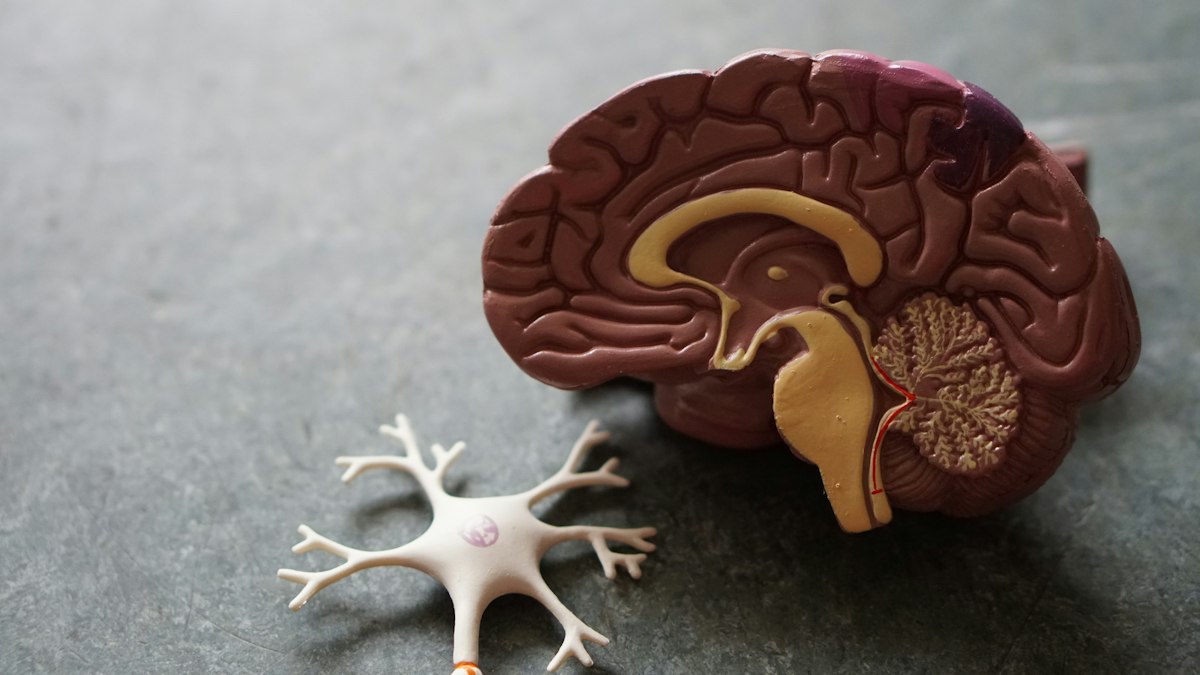
Over 100 autoimmune diseases affect 24 million Americans, with the immune system attacking healthy tissue. From molecular mimicry to CAR-T cell therapy, here's the science of autoimmunity.

The Dirty Dozen: Organic vs. Conventional Produce Guide
The Dirty Dozen list ranks produce by pesticide residue levels. Here's what the residue data actually means for health, when organic is worth the premium, and why eating more produce always wins.

Rowing: The Full-Body Cardio Machine You Should Be Using
Rowing engages 86% of your muscles, burns more calories than most cardio machines, and is nearly zero-impact. Here's the proper technique, programming, and science behind the most underused gym machine.
Benign Prostatic Hyperplasia: When Your Prostate Grows
Benign prostatic hyperplasia affects most men over 50, causing urinary frequency, weak stream, and nocturia. From medications to minimally invasive procedures, effective treatments exist at every stage.

Addiction Recovery: The Brain Science of Breaking Free
Addiction hijacks the brain's reward, stress, and decision-making systems. Understanding the neuroscience — from dopamine downregulation to prefrontal cortex impairment — points toward evidence-based treatments that work.

Turkesterone: The Natural Muscle Builder Trending in 2025
Turkesterone supplements claim steroid-like muscle growth through a plant-derived ecdysteroid. The mechanism is plausible, but human evidence is thin, dosing is inadequate, and product quality is unreliable.

Grounding and Earthing: Pseudoscience or Legit Health Hack?
Grounding — walking barefoot to absorb the Earth's electrons — has preliminary research showing effects on blood viscosity, cortisol, and inflammation. But small studies and funding conflicts cloud the picture.

Carb Cycling: Strategic Carbs for Fat Loss and Performance
Carb cycling alternates between high and low carbohydrate days based on training demands. Here's the metabolic science, practical framework, and research behind this body composition strategy.

Sleep Apnea: The Hidden Condition Ruining Your Health
An estimated 80% of sleep apnea cases go undiagnosed while silently driving hypertension, diabetes, and cognitive decline. Here's how to recognize it and what treatment options exist.
Intermittent Fasting for Women vs. Men: Key Differences
Intermittent fasting affects men and women differently due to hormonal and metabolic differences. Women need shorter fasting windows, while men can tolerate longer protocols — here's what the research shows.

The Push-Pull-Legs Split: The Best Training Split for Growth
The push-pull-legs split organizes training by movement pattern to optimize frequency, recovery, and hypertrophy. Here's the science behind why it works and a complete program to follow.

Sugar: How Much Is Too Much?
Americans consume triple the recommended sugar limit. Here's how excess sugar damages the liver, heart, and metabolism — and evidence-based strategies to reduce intake.
Functional Fitness: Training for Real-Life Strength
Functional fitness trains the seven movement patterns — squat, hinge, push, pull, carry, rotate, gait — that keep you capable and independent for life.

Gynecomastia: Understanding Male Breast Tissue Growth
Gynecomastia affects up to 65% of men and is usually benign. Learn about the hormonal causes, when to get evaluated, and the medical and surgical treatment options.

Men and Depression: The Signs You're Probably Missing
Men die by suicide at 4x the rate of women, yet are diagnosed with depression half as often. Male depression looks different — anger, numbness, substance use — and it's being missed.

ZMA: Does This Sleep Supplement Actually Work?
ZMA's testosterone claims are unsupported by independent research. But the magnesium and zinc components have real evidence for sleep and recovery — if you're deficient.

Forest Bathing: The Japanese Practice That Heals
Forest bathing increases NK cell activity by 50%, reduces cortisol by 12%, and alleviates depression. Here's the science behind the Japanese practice and how to do it.

The Psychology of Overeating: Why Willpower Isn't Enough
Overeating isn't a willpower failure — it's a neurobiological response to engineered food, emotional triggers, and depleted self-control. Here's what the science shows.
Cholesterol Explained: LDL, HDL, and What Matters
Standard cholesterol tests tell only part of the story. Learn about LDL particle size, ApoB, the triglyceride-to-HDL ratio, and which tests actually predict heart disease risk.

Gut-Brain Axis: How Your Stomach Affects Your Mood
95% of serotonin is produced in the gut, and your microbiome directly influences your mood. Here's the science of the gut-brain axis and what to eat for mental health.
Olympic Lifting for Beginners: Snatch and Clean & Jerk
A step-by-step beginner's guide to learning the snatch and clean & jerk through proper progressions, from overhead squats and hang cleans to the full lifts.
Colon Cancer Screening: Why Getting Checked Saves Lives
Colorectal cancer is 91% survivable when caught early and almost entirely preventable through polyp removal. Here's everything you need to know about screening options.

Social Media and Mental Health: The Comparison Trap
Social media use is linked to depression, anxiety, and body image issues. Here's what the research says about the comparison trap — and how to protect your mental health.

Pre-Workout Supplements: What Works, What's Hype
Most pre-workout ingredients are underdosed hype. Here's a research-based breakdown of what actually improves performance: caffeine, creatine, beta-alanine, and citrulline.

Sauna Benefits: Heat Therapy for Health and Recovery
Regular sauna use reduces cardiovascular death by up to 48% and all-cause mortality by 40%. Here's the research on heat shock proteins, recovery, and optimal protocols.

The 80/20 Rule of Weight Loss: Why Perfection Fails
Rigid dieting leads to binge eating and burnout. The 80/20 approach — structured nutrition with built-in flexibility — is what the research supports for lasting results.
Type 2 Diabetes Reversal: Real Stories, Real Science
Type 2 diabetes can be put into remission — not just managed. The DiRECT trial showed 86% remission rates in those who lost 15kg. Here's the science and the strategy.
The Plant-Based Athlete: Can You Build Muscle Without Meat?
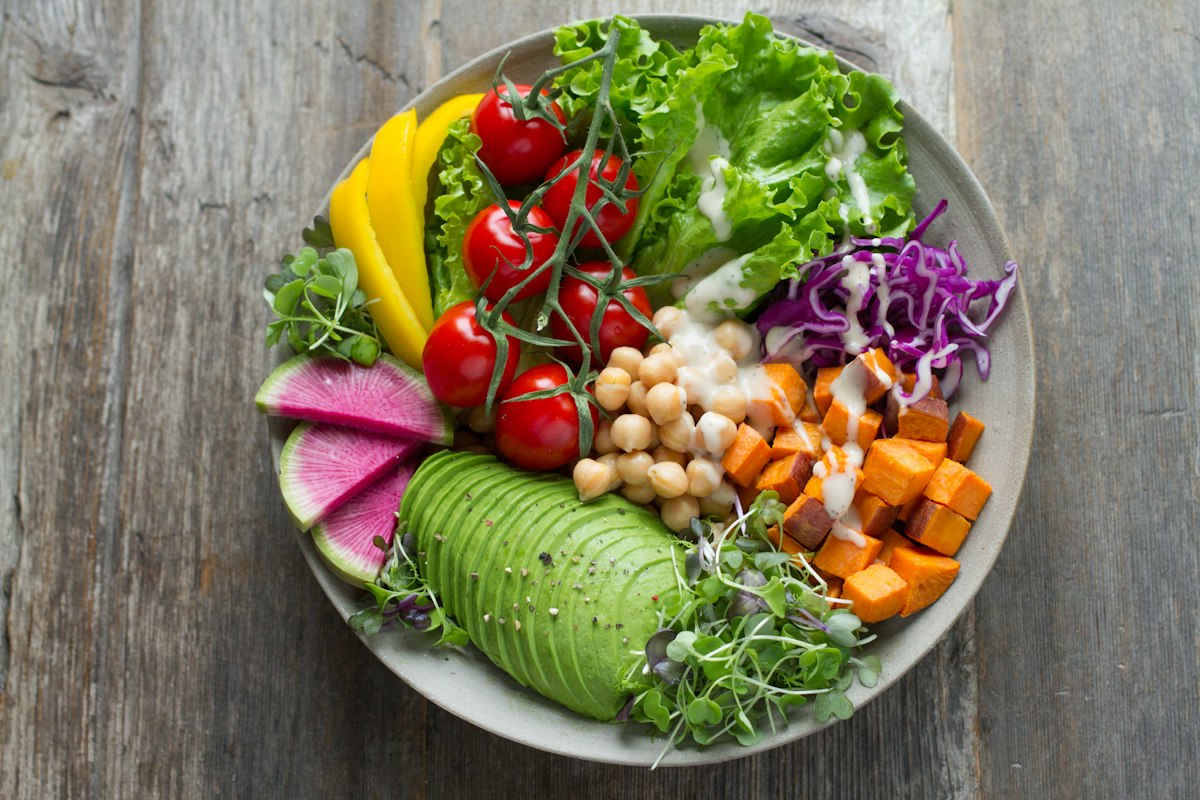
Research shows plant-based diets can support equal muscle gains when protein is matched. Here's how to optimize amino acids, leucine, and critical nutrients.

Mobility Training: The Missing Piece in Your Routine
Mobility isn't flexibility — it's the active, controlled range of motion that prevents injury and improves performance. Here's why it matters and how to train it.
Male Fertility: What's Killing Sperm Counts?
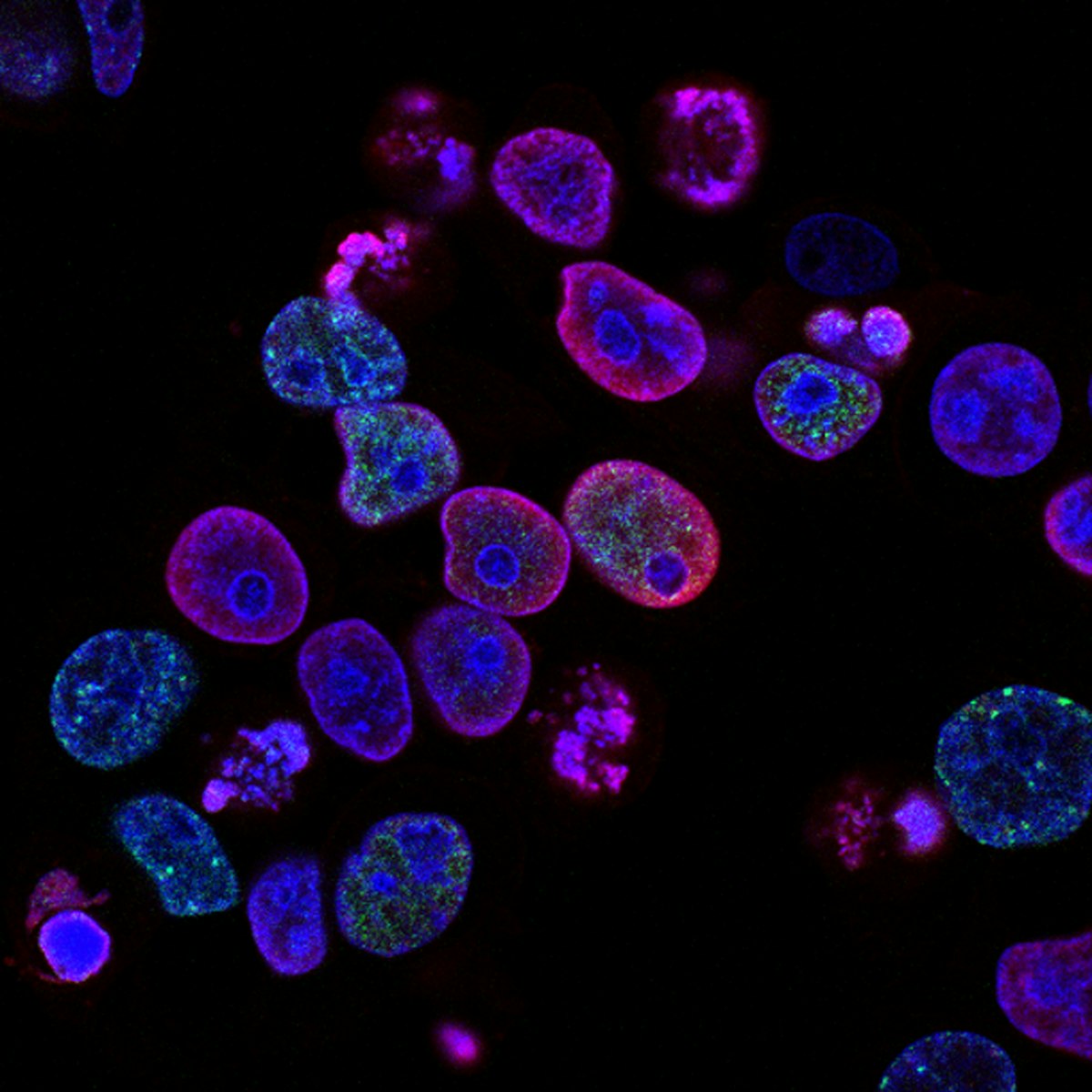
Sperm counts have dropped 59% since 1973, and the decline is accelerating. From plastics to heat to diet, here's what the research says is driving male infertility.

Anger Management: Healthy Ways to Process Rage
Suppressing anger raises your blood pressure. Venting increases aggression. Here's what neuroscience says actually works for processing anger effectively.
Collagen Supplements: Skin Deep or Real Benefits?
Collagen supplements have surprising science behind them. A look at the clinical trials on skin elasticity, joint pain, and bone density — and where the evidence falls short.

The Science of Napping: Power Naps for Peak Performance
A 20-minute nap improves alertness by 54% and performance by 34%. Here's the neuroscience behind optimal nap timing, duration, and the coffee nap hack.
Reverse Dieting: How to Eat More and Maintain Weight Loss
After dieting, your metabolism fights back. Reverse dieting — gradually increasing calories over weeks — helps restore metabolic rate and prevent weight regain.
Chronic Inflammation: The Silent Killer
Chronic low-grade inflammation drives heart disease, cancer, diabetes, and neurodegeneration. Learn the biomarkers to track and evidence-based strategies to reduce it.
Superfoods Debunked: What's Worth Your Money
The 'superfood' label is marketing, not science. A dietitian separates genuine nutritional powerhouses from overpriced hype using randomized controlled trials.

Training for Your First Marathon: A 16-Week Plan
A science-backed 16-week marathon training plan covering base building, quality workouts, peak training, tapering, and race-day strategy for first-time marathoners.
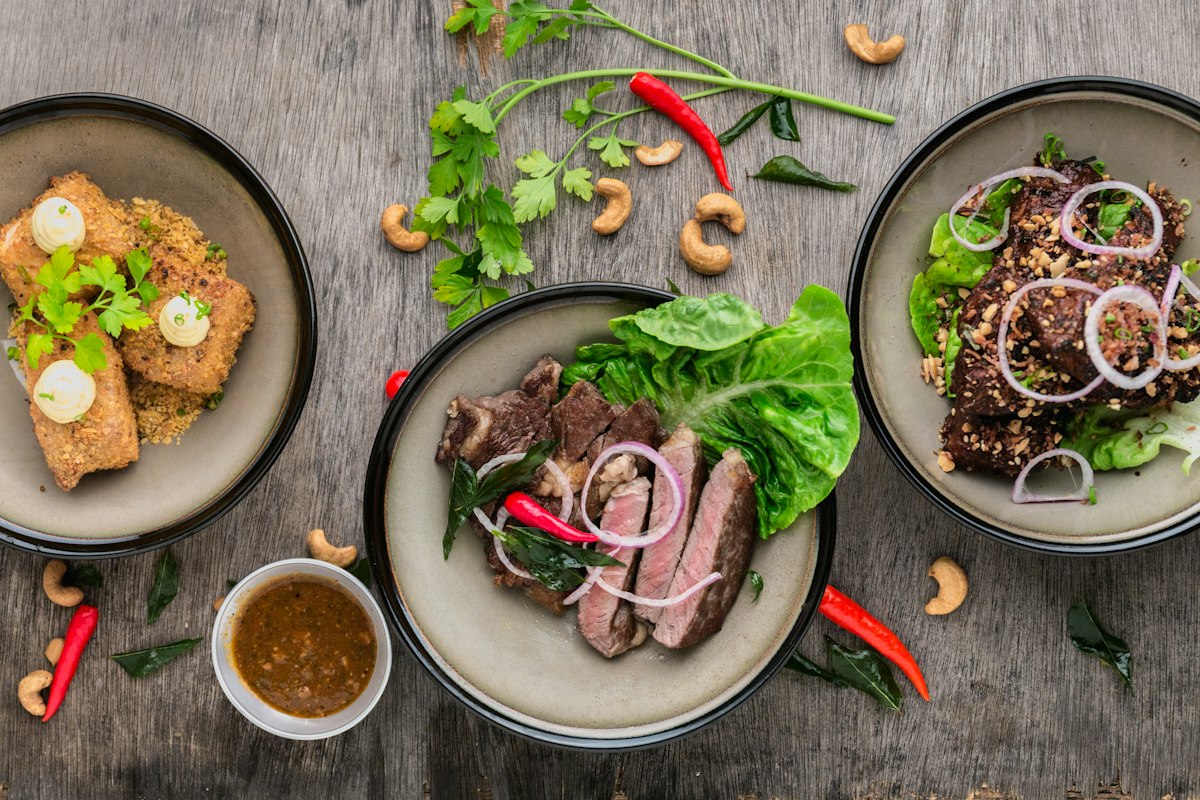
The Carnivore Diet: Fad or Future?
The carnivore diet has zero clinical trials but thousands of compelling anecdotes. A registered dietitian examines the evidence, the risks, and who might actually benefit.

Kettlebell Training: Full-Body Strength in 30 Minutes
One kettlebell can deliver strength, cardiovascular conditioning, power, and mobility in a single 30-minute session. Here's the science and a complete training program.
Vasectomy: Everything You Need to Know
Vasectomy is one of the safest procedures in medicine with 99.85% effectiveness and no effect on testosterone. Here's everything the evidence says about the procedure.
Meditation for Beginners: A No-Nonsense Guide
Over 18,000 studies show meditation changes brain structure, reduces cortisol, and improves focus. Here's a no-nonsense beginner protocol that starts at 5 minutes per day.
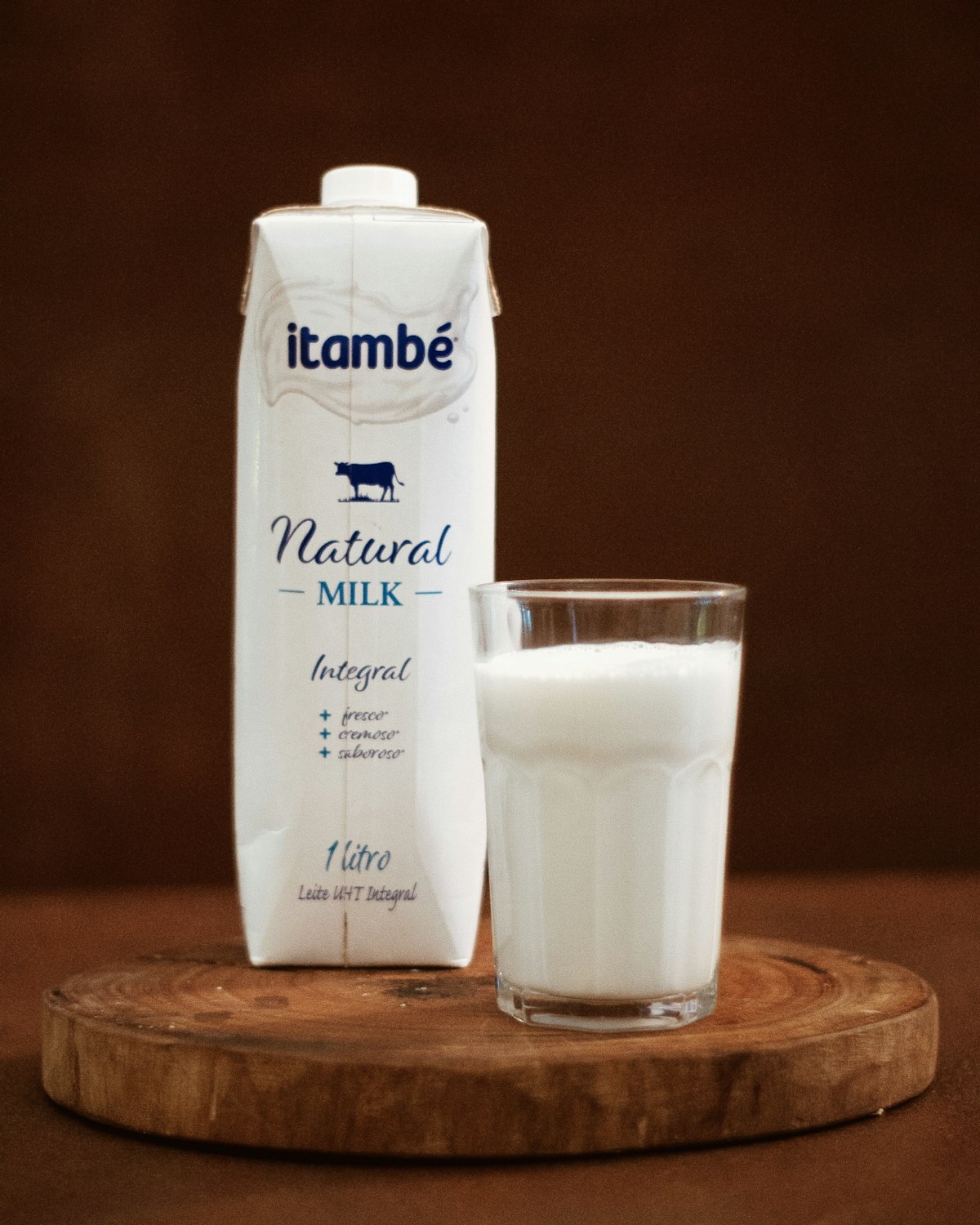
Probiotics: What the Science Actually Says
The probiotic market exceeds $80 billion, but the science is strain-specific and often overhyped. Here's what actually works, what doesn't, and how to choose wisely.
Dopamine Detox: Resetting Your Reward System
Chronic overstimulation from screens, social media, and hyper-palatable food downregulates your dopamine system. Here's the neuroscience behind resetting it.

Walking for Weight Loss: The Underrated Fat Burner
Walking 10,000 steps daily burns 2,500-3,500 extra calories per week, preserves muscle, manages cortisol, and improves insulin sensitivity — all without injury risk.
Skin Cancer Prevention: A Man's Guide to Sun Safety
Men are twice as likely to develop melanoma and far less likely to use sunscreen. Here's what every man needs to know about skin cancer prevention.
Fiber: The Forgotten Nutrient That Changes Everything
The average American man gets 15 grams of fiber daily — less than half the recommended 38 grams. This shortfall is linked to heart disease, diabetes, cancer, and obesity.

Swimming: The Total-Body Workout Most Guys Are Sleeping On
Swimming engages more total muscle mass than almost any land-based exercise, burns 400-700 calories per hour, and is virtually impact-free. Here's how to add it to your training.

Heart Disease in Men: Risk Factors and Prevention
Heart disease kills one in four men, but 90% of heart attacks involve modifiable risk factors. Here's what the Framingham Heart Study teaches us about prevention.

The Male Loneliness Epidemic: Building Real Connections
15% of men have no close friends — a five-fold increase since 1990. The health consequences rival smoking. Here's why it's happening and what to do about it.

Ashwagandha: Ancient Herb With Modern Science
Ashwagandha has over 100 clinical studies supporting its effects on cortisol, testosterone, sleep, and exercise performance. Here's what the research actually shows.
Breathwork Techniques for Stress, Focus, and Recovery
From Navy SEAL box breathing to Stanford's physiological sigh, these five evidence-based breathwork techniques can reduce stress, improve focus, and accelerate recovery.
Metabolic Adaptation: Why Diets Stop Working
Your body fights weight loss through hormonal shifts, metabolic slowdown, and unconscious movement reduction. Here's the science of metabolic adaptation and how to outsmart it.

Back Pain: The Office Worker's Guide to Spinal Health
Low back pain is the world's leading cause of disability, and prolonged sitting is a major driver. Here's an evidence-based plan for spinal health at the office.

Hydration: How Much Water Do You Really Need?
The '8 glasses a day' rule has no scientific basis. Here's what the research actually says about hydration needs, electrolytes, and how to tell if you're drinking enough.

Calisthenics: Build Serious Muscle With Just Your Body Weight
Calisthenics can build impressive muscle when programmed correctly. Here's the science of bodyweight hypertrophy, progressive overload strategies, and a complete training program.
Erectile Dysfunction: Breaking the Silence on Men's Sexual Health
ED affects 30 million American men and often signals cardiovascular disease years before a heart attack. Here's what causes it, how to treat it, and why you shouldn't ignore it.
PTSD and Men: Why We Don't Talk About Trauma
Men with PTSD often express symptoms through anger, numbness, and substance use rather than classic anxiety — leading to massive underdiagnosis and undertreated trauma.

Magnesium: The Mineral Most Americans Are Deficient In
Over half of Americans are magnesium-deficient. This essential mineral affects sleep, anxiety, muscle function, heart health, and blood sugar — here's how to fix it.

Cold Exposure Therapy: Ice Baths, Cold Showers, and Science
Cold exposure triggers a massive norepinephrine surge, activates brown fat, and may boost immunity — but the timing matters, especially around strength training.
Plateau Busters: What To Do When Weight Loss Stalls
Weight loss plateaus are biologically inevitable — but they're also beatable. Here are six evidence-based strategies to restart fat loss when the scale won't budge.
Diabetes Prevention: Lifestyle Changes That Actually Work
The landmark Diabetes Prevention Program showed lifestyle changes reduce diabetes risk by 58%. Here are the five evidence-based strategies that actually work.
Keto vs. Paleo: A Nutritionist's Honest Comparison
A registered dietitian breaks down the real science behind keto and paleo — what works, what doesn't, and which diet fits your goals.
The Science of Stretching: Flexibility for Performance and Longevity
Flexibility affects everything from athletic performance to cardiovascular health. Here's what the research says about static, dynamic, and PNF stretching — and a protocol that works.
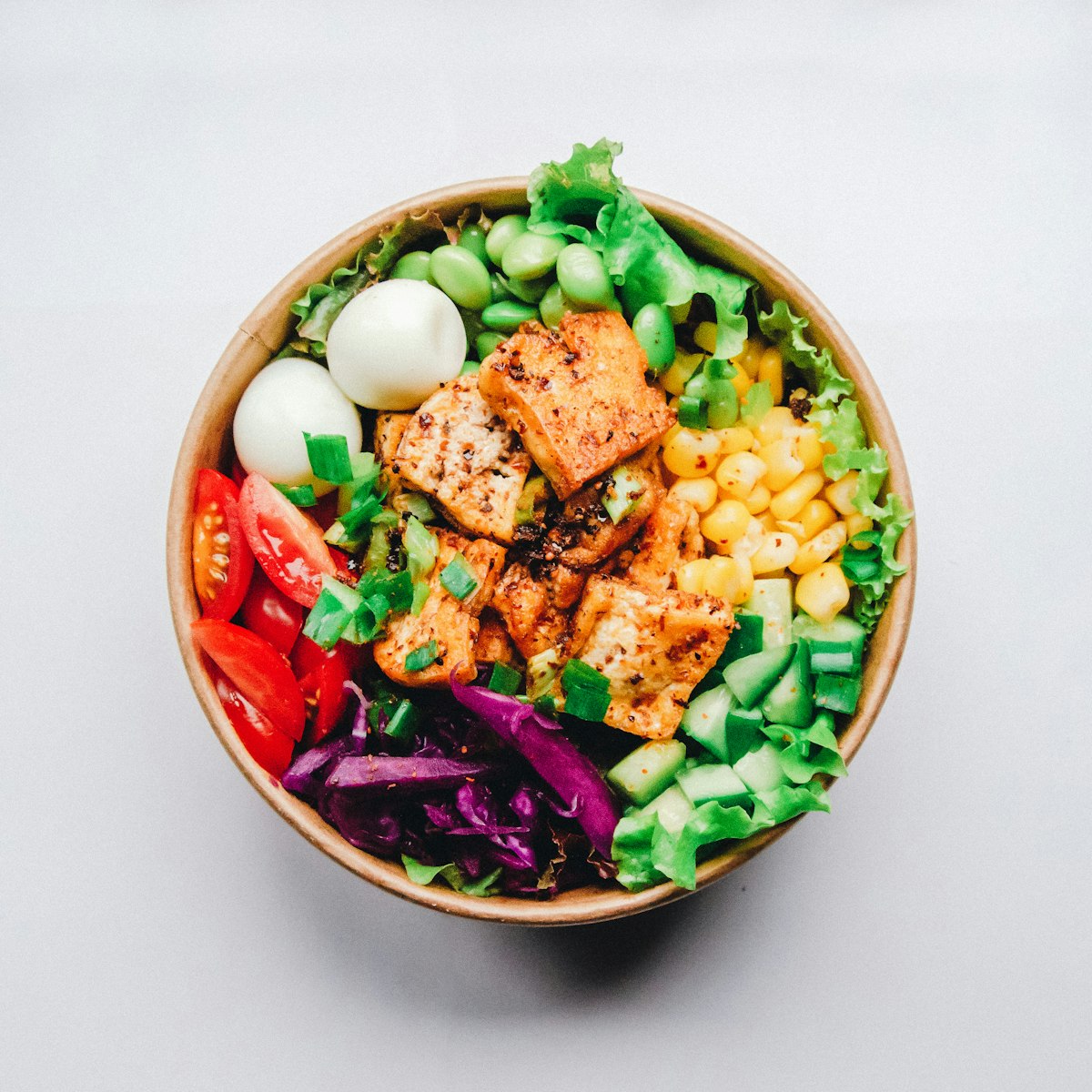
Meal Prep 101: Save Time, Eat Better, Spend Less
Meal prep saves $2,000+ per year and is the single most practical strategy for eating well consistently. Here's your complete beginner's guide.
Deadlifts: The King of All Exercises
The deadlift trains 70% of your skeletal muscle in a single movement. Master the technique, avoid common mistakes, and build unmatched full-body strength.

Hair Loss in Men: Causes, Prevention, and Treatments
Two-thirds of men experience hair loss by 35. Here's the science behind male pattern baldness and every evidence-based treatment option available.

Burnout Recovery: Rebuilding When You've Hit the Wall
Burnout isn't just stress — it produces measurable brain and hormonal changes. Here's a five-stage recovery framework backed by science.
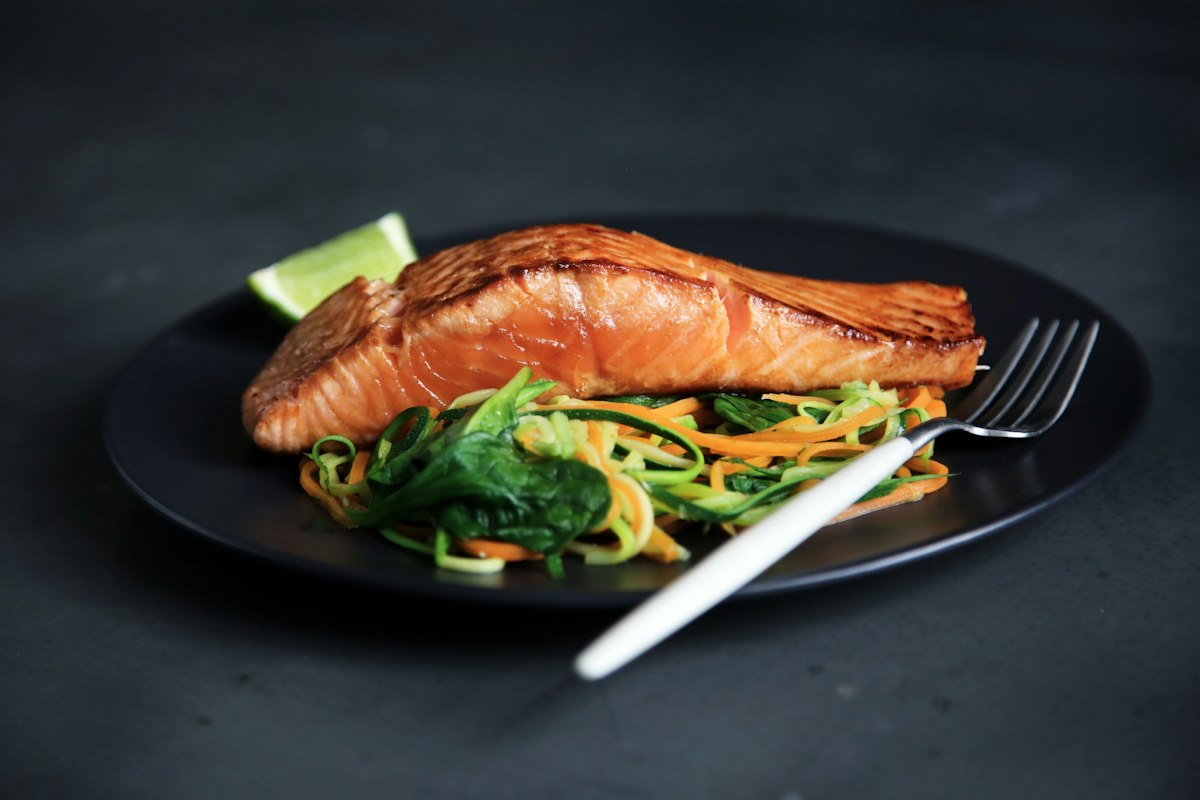
Omega-3 Fatty Acids: Fish Oil, Flaxseed, and Beyond
95% of Americans are deficient in omega-3 fatty acids. Here's what EPA, DHA, and ALA do, the best food sources, and how to supplement effectively.

Digital Detox: How Screen Time Affects Your Health
The average adult spends 11 hours daily on screens. Here's how it affects your sleep, mental health, and metabolism — and a practical plan to reclaim your time.

Building Muscle While Losing Fat: The Body Recomposition Guide
Building muscle while losing fat isn't a myth — it's well-documented in research. Here's the exact nutritional and training framework to make it happen.

Gut Health: The Microbiome's Role in Everything
38 trillion microorganisms in your gut control your immunity, mood, metabolism, and disease risk. Here's how to build a thriving microbiome.
Anti-Inflammatory Foods That Fight Chronic Disease
Chronic inflammation drives 50% of all deaths worldwide. These foods — backed by research — are your most powerful defense against inflammatory disease.

HIIT vs. Steady-State Cardio: Which Burns More Fat?
HIIT and steady-state cardio both burn fat, but through different mechanisms. Here's what the research says about which is more effective — and when to use each.
Prostate Health: A Guide for Men Over 50
By age 60, half of all men have prostate enlargement. Learn about BPH, cancer screening, and the evidence-based strategies that protect prostate health.

How Exercise Rewires Your Brain for Better Mental Health
Exercise is 1.5x more effective than medication for depression symptoms. Here's the neuroscience of how movement rewires your brain for better mental health.
Vitamin D: The Sunshine Vitamin Most People Are Missing
42% of Americans are vitamin D deficient — a condition linked to weakened immunity, depression, and bone loss. Here's how to test and optimize your levels.
Morning Routines of the World's Healthiest People
The first 90 minutes of your day shape your energy, focus, and sleep quality. Here are six evidence-based morning habits from the world's healthiest people.
The Truth About Calorie Counting: Does It Actually Work?
Calorie counting is the most recommended and most criticized diet strategy. Here's an honest look at when it works, when it doesn't, and how to do it right.

Heart Health 101: Protecting Your Most Important Muscle
Heart disease kills more people than any other condition, yet 80% of cardiovascular events are preventable. Here's your complete guide to heart health.
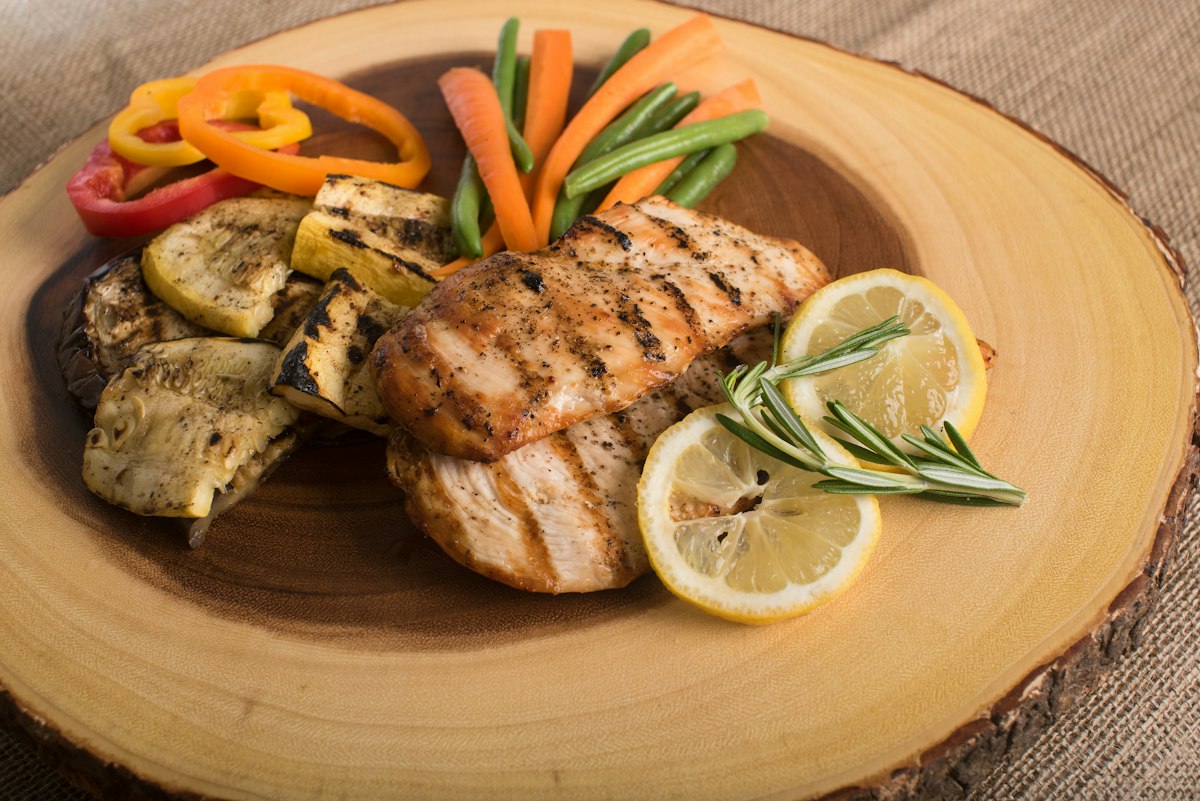
Protein: How Much Do You Really Need Per Day?
Cutting through the confusion on protein intake — what the research says about optimal amounts for muscle building, fat loss, and general health.

Progressive Overload: The Only Training Principle You Need
Progressive overload is the foundational principle behind every strength gain and muscle built. Here are five methods to apply it and keep progressing.

Testosterone After 40: What Every Man Should Know
Testosterone declines 1-2% per year after 30. Learn what the numbers mean, how to optimize naturally, and when TRT might be the right choice.
Managing Anxiety Without Medication: Evidence-Based Strategies
From CBT techniques to breathing protocols backed by Stanford research, these evidence-based strategies can help manage anxiety without medication.

Creatine: The Most Research-Backed Supplement in Fitness
With over 500 studies behind it, creatine monohydrate is the most proven supplement in sports nutrition. Here's exactly what it does and how to use it.
Sleep Optimization: The One Habit That Changes Everything
Sleep deprivation undermines everything from testosterone to immune function. Here are 10 evidence-based strategies to transform your sleep quality.
Intermittent Fasting: The Science Behind the Hype
Examining the real research behind intermittent fasting — what it does to your metabolism, who it works for, and who should avoid it.
Understanding Your Blood Pressure: What the Numbers Really Mean
Nearly half of adults have high blood pressure but don't know it. Learn what your numbers mean and the lifestyle changes that can bring them down.
Mediterranean Diet: Why Scientists Call It the World's Healthiest
Decades of research confirm the Mediterranean diet reduces heart disease, cognitive decline, diabetes, and depression. Here's exactly how to follow it.
The Ultimate Full-Body Workout for Busy Professionals
A science-backed, three-day-per-week training program designed for professionals who want maximum results in minimum time.